Le how gold IRAs work, why some savers explore precious metals during economic uncertainty, and what risks and considerations come with adding physical assets to a retirement plan.
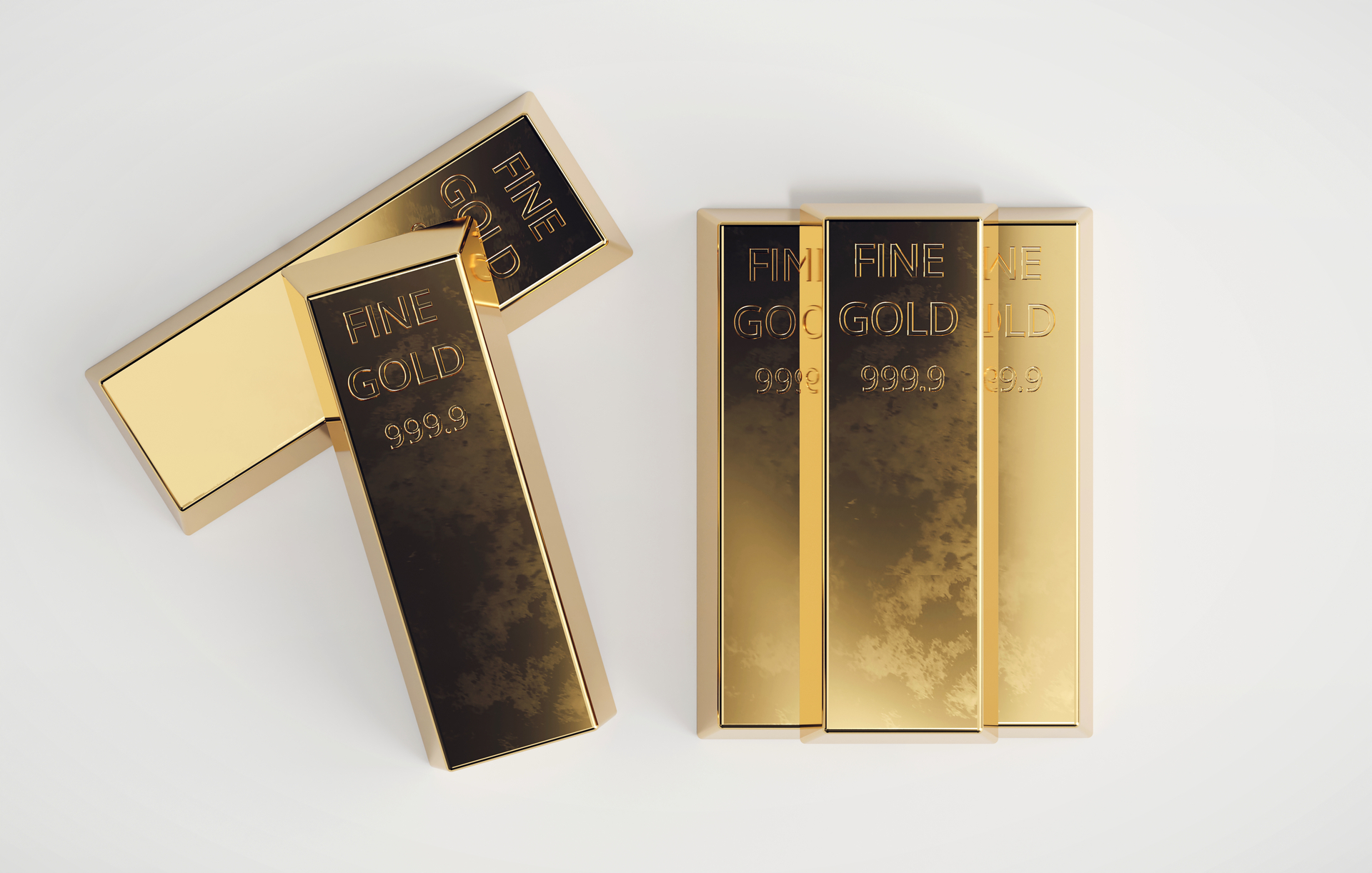
For many Americans, retirement planning doesn’t feel as straightforward as it once did. Market swings, rising living costs, and changing economic forecasts have pushed savers to think more carefully about how they’re spreading out risk. One area that has drawn growing curiosity is precious metals, specifically gold. While gold has been viewed as a store of value for generations, some people are now exploring a modern version of it inside their retirement accounts: the gold IRA.
A gold IRA is not a trend or a guaranteed shortcut to stability. It’s simply one of several tools people research when looking for ways to diversify long-term savings. Understanding what these accounts are and what they’re not, can help retirement savers decide whether they’re worth learning more about.
A gold IRA is a type of self-directed individual retirement account that allows physical precious metals, such as gold, silver, or other IRS-approved bullion, to be held as retirement assets. Structurally, it works much like a traditional IRA. The main difference lies in the asset itself. Instead of stocks, bonds, or mutual funds, the account holds tangible metals stored in an approved facility.
It’s not the kind of account where someone keeps gold bars in a home safe. IRS rules require a qualified custodian to manage the account and an authorized depository to store the metals. As a result, the setup and oversight look a bit different from conventional retirement accounts, even though the tax treatment is similar.
Interest in gold tends to rise when uncertainty is high. Some people turn to it because it offers a type of value that doesn’t move in lockstep with the stock market. When equities fluctuate sharply, gold sometimes reacts differently, which is why some see it as a potential balancing element in a broader portfolio.
Others are drawn to precious metals because they are physical assets. For savers frustrated by complex investment products or variables they can’t easily track, the simplicity of owning something tangible can feel more intuitive. Still, this doesn’t mean gold is inherently safer or more predictable, just that it plays a different role than traditional market-based assets.
Despite the appeal, a gold IRA isn’t without drawbacks. Gold and silver prices can move up or down quickly based on global events, market sentiment, and supply-and-demand shifts. And unlike dividend-paying stocks or interest-bearing bonds, physical metals don’t generate income. Returns depend solely on price movement.
Gold IRAs also involve storage fees, custodial charges, and rules about what can and can’t be held. Because of these factors, many financial professionals suggest that precious metals, if included at all, usually make up only a small portion of a retirement portfolio, often around five to ten percent.
The experts from MrGold IRA, an online resource, explain that the process of opening a gold IRA is straightforward. It begins with choosing a custodian authorized to manage self-directed accounts. Once the account is established, savers select which metals they want, limited of course to IRS-approved coins and bullion, and arrange for them to be stored in a certified depository. Purchases must go through dealers who meet regulatory requirements, and the custodian keeps records to ensure everything stays compliant.
Rollovers from existing retirement accounts are common for those who decide to fund a gold IRA. However, the rules governing transfers, withdrawals, and documentation are specific, which is why understanding the mechanics ahead of time can help avoid mistakes later.
People new to the concept often wonder why metals can’t be stored at home. The answer ties back to IRS rules; for an IRA to maintain its tax-advantaged status, metals must remain in an approved facility.
Another frequent question involves what types of gold qualify. Not all coins or bars are eligible, only those meeting certain purity standards. Others ask how rollovers work or whether the tax treatment is different from a standard IRA. In most cases, the tax structure remains similar, but the administrative steps differ because of the physical asset involved.
To recap, gold IRAs sit at the intersection of traditional retirement planning and alternative assets. They attract interest during periods of market volatility, but they also require careful consideration because they introduce new variables, like physical storage, price swings, and additional fees.
For everyday savers, the value lies in understanding that a gold IRA is simply one option among many. Learning how these accounts work can help people decide whether precious metals deserve a place, large, small, or none at all, within their long-term financial strategy.


