Nearly 12% of Americans are now taking GLP-1 medications, but most don’t realize that their favorite restaurant foods could be triggering severe nausea and digestive issues. Here’s what you need to know before your next dinner out.
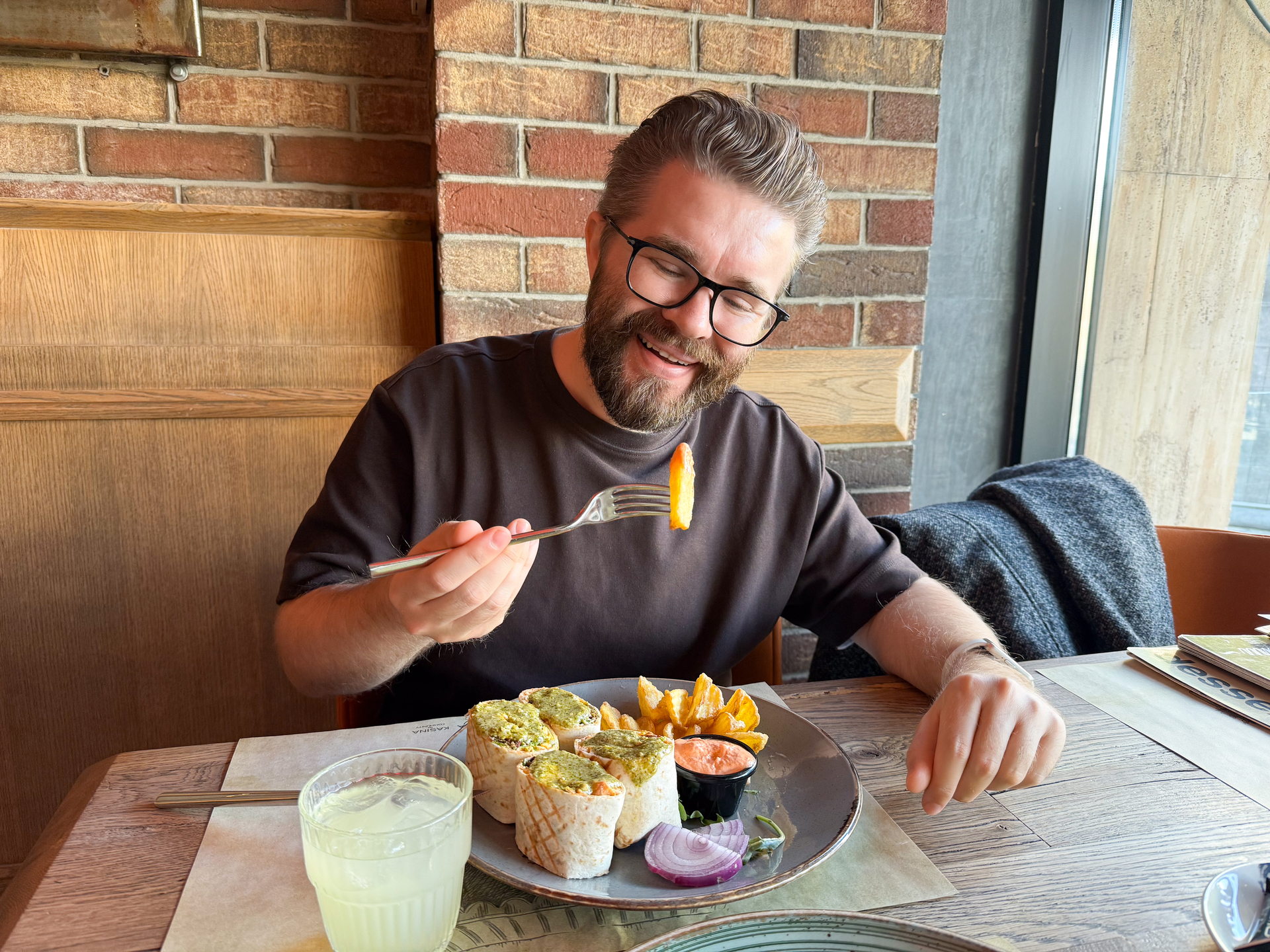
Dining out while taking GLP-1 medications presents unique challenges that millions of Americans now face. These powerful medications work by slowing digestion and reducing appetite, which means restaurant meals can trigger unexpected side effects if not chosen carefully.
GLP-1 medications fundamentally change how the body processes food. By mimicking natural gut hormones, these drugs slow gastric emptying, meaning food stays in the stomach longer than usual. This mechanism creates the desired feeling of fullness but also makes certain restaurant foods particularly problematic.
Restaurant portions are typically designed for pre-medication appetites, often containing significantly more calories than needed by GLP-1 users. The combination of larger portions, rich ingredients, and slower digestion creates a perfect storm for uncomfortable side effects.
The social aspect adds another layer of complexity. Many users report feeling anxious about explaining their smaller appetites or food restrictions to dining companions, creating stress around what should be enjoyable experiences.
High-fat foods are the primary culprits behind GLP-1 side effects at restaurants. Fried chicken, burgers, and foods cooked in heavy oils naturally slow digestion even without medication. When combined with GLP-1's gastric-slowing effects, these foods can linger in the stomach for hours, causing nausea, bloating, and discomfort.
The fat content in these dishes also triggers additional hormone responses that can intensify feelings of fullness to an uncomfortable degree. Even small portions of fried foods can leave GLP-1 users feeling overly stuffed and sick.
Sugary drinks, desserts, and foods with added sugars can cause rapid blood sugar spikes followed by crashes. This roller-coaster effect works against GLP-1's blood sugar stabilizing benefits and can trigger cravings that undermine weight loss goals.
Restaurant beverages are particularly problematic, with some containing 50-70 grams of sugar per serving. Even fruit juices, often perceived as healthy choices, can contain more sugar than sodas and cause similar blood sugar disruptions.
Restaurant portion sizes have increased dramatically over the past two decades, with many entrees containing 1,200-1,800 calories. For GLP-1 users, these oversized portions can trigger severe discomfort even when eating just half the serving.
Rich sauces, gravies, and cream-based preparations compound the problem by adding concentrated fats and calories. Alfredo sauce, for example, can contain 400-600 calories per serving, primarily from heavy cream and butter.
Spicy cuisines can exacerbate acid reflux and heartburn, common side effects of GLP-1 medications. The capsaicin in hot peppers irritates the stomach lining, and with slower gastric emptying, this irritation persists longer than usual.
Many users report that foods they previously enjoyed, like buffalo wings or spicy Mexican dishes, now cause significant discomfort. The key is recognizing these new sensitivities and adjusting restaurant choices accordingly.
Prioritizing protein helps maintain muscle mass during weight loss while promoting satiety. Medical professionals recommend GLP-1 users increase protein intake to 1.2-1.6 grams per kilogram of body weight daily. Restaurant meals should center around lean proteins like grilled chicken, fish, eggs, or plant-based options.
Eating protein first also helps stabilize blood sugar levels and reduces the likelihood of overeating other menu items. This strategy works particularly well with GLP-1's appetite-suppressing effects, creating natural portion control.
Cooking methods significantly impact how GLP-1 users tolerate restaurant meals. Grilled, baked, broiled, and steamed preparations minimize added fats while preserving flavor and nutrients. These methods also reduce the risk of triggering nausea or digestive discomfort.
When scanning menus, look for keywords like "grilled," "herb-crusted," "blackened," or "steamed." Avoid terms like "crispy," "golden," "battered," or "pan-fried," which typically indicate high-fat preparation methods.
Most restaurants accommodate reasonable modifications, and GLP-1 users should feel comfortable making requests. Common helpful modifications include asking for sauces on the side, substituting steamed vegetables for fries, or requesting grilled instead of fried preparation.
A registered dietitian recommends ordering from kids' menus or lunch portions for appropriately sized servings. This strategy not only provides better portion control but can also save money while reducing food waste.
Appetizers often provide more appropriate portion sizes for GLP-1 users than full entrees. Many appetizers feature protein-forward options like shrimp cocktail, chicken satay, or small salads that align well with medication needs.
Sharing plates or tapas-style dining also works well, allowing users to sample various flavors without committing to large portions. This approach makes dining more social while maintaining appropriate portion control.
Forward-thinking restaurants are creating dedicated GLP-1-friendly menus with smaller portions and focused ingredient lists. Cuba Libre Restaurant & Rum Bar recently debuted a special GLP-1 menu at all four locations, developed with board-certified weight loss specialists.
The trend toward "mini" versions is accelerating, with restaurants offering tiny burgers, small-plate appetizers, and scaled-down entrees. Even beverage sizes are shrinking, with the tiny martini trend gaining popularity for its lower alcohol and calorie content while maintaining higher profit margins.
Restaurants are reformulating existing menu items to better serve GLP-1 users. Smoothie King partnered with registered dietitians to create smoothie options that specifically support GLP-1 users' nutritional needs, focusing on protein content and blood sugar stability.
High-end establishments like The Fat Duck offer "Mindful Experience" tasting menus - scaled-back versions of their main offerings at lower price points. These adaptations recognize that GLP-1 users still want quality dining experiences but need appropriately sized portions.
Eating slowly becomes vital when taking GLP-1 medications. The combination of delayed gastric emptying and natural satiety signals means users need to pay close attention to fullness cues. Rushing through meals can lead to overeating and significant discomfort.
Practice putting utensils down between bites and engaging in conversation to naturally slow eating pace. Many users find that taking 20-30 minutes to finish smaller portions feels more satisfying than quickly consuming larger meals.
GLP-1 medications can reduce thirst signals along with appetite, making dehydration a common issue. Restaurant dining often involves longer meal times and potentially salty foods, increasing hydration needs.
Order water immediately upon seating and sip throughout the meal. Cold, sugar-free beverages are generally best tolerated. Avoid carbonated drinks if they cause bloating, and limit alcohol consumption as it can worsen nausea and interact negatively with blood sugar control.
Timing restaurant visits around medication schedules can significantly impact comfort levels. Many users find that eating earlier in the day, before peak satiety effects set in, makes restaurant meals more tolerable.
Consider lunch portions or early dinner reservations, ideally no later than 7:30 PM. This timing allows for better digestion before bedtime and often coincides with less crowded restaurants and better service attention.
As more Americans use GLP-1 medications, digital tools have started emerging to help people make sense of restaurant menus. They use AI to scan online or printed menus and highlight dishes that align with typical GLP-1 dietary needs, such as higher protein, lower fat, and moderate portion sizes.
For people who struggle to hit protein goals while eating smaller portions, these digital aids often include protein tracking and personalized recommendations based on preferences and symptom patterns. These GLP-1 dining assistants have made eating out feel more manageable and enjoyable.


