Glass pool fences deliver unobstructed views and modern elegance, but chlorine, weather, and daily impacts take their toll. Cracked panels, corroded hardware, and faulty gate latches demand immediate attention; small problems escalate quickly. Regular inspections and strategic maintenance keep your pool barrier safe and stunning.
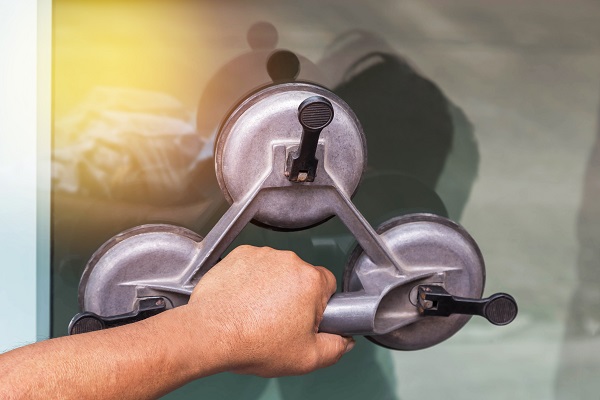
Small cracks, wobbly panels, and rusty hardware might seem like minor annoyances you can ignore for now. These problems quickly turn into expensive replacements when the damage spreads across your entire fence system. Your best bet is catching issues early through regular inspections, even when everything looks perfectly fine from a distance. recommends a Sydney-based glazier from SOS Glass Services.
Glass pool fences face constant attacks from chlorine splashes, weather extremes, and accidental bumps that slowly break them down. Here's what goes wrong most often and exactly how to fix these common problems before they become dangerous.
Glass pool fencing offers unobstructed views of your pool area while creating a secure barrier that meets Australian safety standards. These fences combine durability with modern aesthetics, making your pool area look elegant without blocking sightlines from the house. Frameless designs provide seamless transparency, while framed options offer additional structural support for challenging installations or exposed locations with strong winds.
Tempered glass used in pool fencing is specifically designed to withstand significant impacts and resist shattering under normal conditions. The minimal maintenance requirements make glass fencing more practical than timber or wire alternatives that need regular painting or rust treatment. Glass fences also resist degradation from pool chemicals better than many other materials, though they still need proper care and attention.
Understanding what damages your fence helps you spot problems early and prevent costly repairs down the track.
Pool environments create perfect conditions for glass and metal components to deteriorate faster than normal outdoor installations would. Chlorine and saltwater splash onto your fence daily, leaving behind chemicals that eat away at protective coatings. Temperature swings make glass panels expand and contract repeatedly, which loosens the fittings holding everything securely in place.
Strong winds push hard against large glass surfaces, especially when posts aren't anchored deep enough into solid concrete footings. Kids climbing the fence, adults leaning on it during parties, and flying toys all create impacts that cause damage. These bumps might look harmless at first, but they create tiny cracks that suddenly spread across entire panels.
Regular cleaning removes chemical buildup before it causes permanent damage to your glass and metal components over time. Applying protective coatings creates a barrier that repels water and reduces how much pool chemicals can bond to surfaces. Proper installation with deep concrete footings and adequate post support prevents wind damage and ensures panels stay stable year-round.
Cracked or chipped panels happen constantly around pools where lawn mowers, toys, and furniture make contact with lower edges. Small chips look like cosmetic problems you can leave alone, but they create weak spots where bigger cracks develop later. Tempered glass loses its strength once any part of the surface gets damaged, which means the whole panel could shatter.
Replace damaged panels immediately rather than risking sudden shattering that could injure someone or leave your pool area unsecured. Professional glaziers carefully remove the broken panel without disturbing adjacent sections and install new tempered glass meeting safety specifications. Moving furniture and equipment away from fence edges prevents most accidental impacts that cause chips and cracks initially.
Wobbly panels mean your fittings have loosened up, or the posts holding everything have started failing from age. Ground settling, nearby construction vibrations, or just normal wear gradually loosen bolts and brackets over several years of exposure. When panels move more than they should, your fence stops being safe and breaks Australian pool safety rules.
Tighten loose fittings using proper tools and torque specifications to secure panels without over-tightening and cracking the glass. Check if posts have shifted or concrete footings have cracked, which requires rebuilding the foundation before panels can stay stable. Regular inspections every few months catch loose fittings early, when simple tightening fixes the problem before panels become dangerously unstable.
Rust and corrosion appear on stainless steel parts despite their tough reputation, especially if you live near the coast. Pool chemicals create harsh conditions that slowly destroy metal fittings, leaving ugly brown streaks down your glass panels. Corroded clamps and spigots can't hold panels tight anymore, which creates dangerous gaps that small children could squeeze through.
Replace corroded hardware with marine-grade stainless steel components designed specifically for harsh coastal and pool environments that last longer. Clean rust stains immediately using a white vinegar solution and soft cloths to prevent acids from etching into glass surfaces permanently. Apply protective treatments to metal components regularly to create barriers against chlorine and saltwater that cause most corrosion problems.
Gate malfunctions include latches that won't close properly, squeaky hinges, and self-closing systems that stop working like they should. Your gate is the most important safety feature because it controls the main way people enter your pool area. A broken latch creates immediate danger that could get you fined during council inspections and puts young kids at risk.
Realign hinges if your gate has sagged or twisted over time, which stops it from closing properly on its own. Replace worn latches and self-closing mechanisms with new components that meet current Australian safety standards for pool barrier gates. Lubricate hinges regularly with appropriate products to prevent squeaking and ensure smooth operation that doesn't require excessive force.
Wash your fence every two to three months with plain water and gentle soap to remove chemical buildup. Skip harsh cleaners, rough scrubbers, or strong chemicals that scratch glass or ruin protective coatings applied at the factory. Point sprinklers away from glass because constant spraying leaves mineral deposits that get harder to remove over time.
Put protective coatings on your glass every couple of years to create a shield that pushes water away. Clean bird droppings right away because they contain acids that permanently damage glass if left sitting too long. Tighten loose bolts when you first notice them rather than waiting until panels start moving around noticeably.
Cut back plants and bushes growing near your fence so branches can't scratch or bang into the glass during storms. Move furniture, grills, and play equipment far enough away that accidentally hitting your fence becomes basically impossible now. Teach kids not to climb or hang on the fence, which stresses fittings and can cause sudden breakage.
Professional inspections every year catch small issues before they become expensive emergencies that shut down pool access during the hot summer. Schedule checkups with experienced glass specialists who understand the specific challenges Australian pool fences face from weather and chemical exposure daily. Combine professional maintenance with your own regular cleaning to keep glass and hardware in great shape year-round.


