Virginia homeowners are discovering that DIY bed bug treatments fail 80% of the time, but the reason isn’t what most people think. With Richmond ranking #35 nationally for infestations, understanding why professional treatment succeeds could save you thousands.
Virginia homeowners face a significant bed bug challenge that continues to worsen each year. According to recent national rankings of bed bug-infested cities, Richmond and Petersburg claimed the No. 35 spot, while Roanoke and Lynchburg landed at No. 48. These rankings place Virginia cities among the most affected areas in the United States, highlighting the urgent need for effective treatment strategies.
The situation becomes even more concerning when considering that bed bug activity in Northern Virginia typically peaks from mid-March to October due to warmer temperatures. During these months, infestations can spread rapidly through apartment complexes, single-family homes, and even hotels. The combination of Virginia's climate and urban density creates ideal conditions for these resilient pests to thrive and multiply.
Professional pest control experts understand these regional patterns and timing factors that make Virginia particularly vulnerable to bed bug problems. The experienced exterminators at Connor's Pest Pros explain that effective treatment requires more than standard solutions—it demands expertise in local bed bug behavior patterns and resistance issues.
Homeowners attempting to tackle bed bug infestations on their own face three critical obstacles that professional exterminators are specifically trained to overcome. These limitations explain why DIY approaches often result in recurring infestations and frustrated property owners who've spent considerable time and money without achieving lasting results.
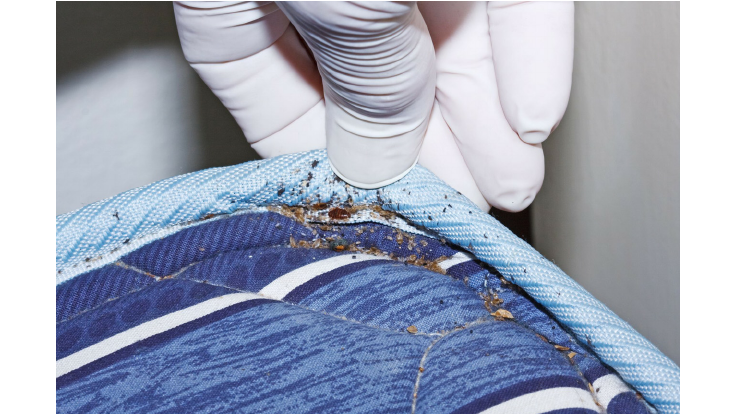
Bed bugs reproduce at an alarming rate, with females laying one to 12 eggs daily and up to 500 eggs during their lifetime. These eggs are incredibly small—about the size of a pinhead—and are deliberately placed in hard-to-reach locations like mattress seams, furniture joints, and wall cracks. DIY treatments typically focus on visible adult bugs, leaving behind eggs that will hatch within six to ten days.
The newly hatched nymphs are nearly microscopic and can squeeze through spaces as small as a stitch hole in fabric. Even when homeowners think they've eliminated the problem, these hidden life stages continue the infestation cycle. Professional treatments address all life stages simultaneously, preventing this common failure point that plagues DIY efforts.
Consumer-grade bed bug sprays and powders simply cannot penetrate the deep hiding places where bed bugs establish their colonies. These products work only on surface contact, leaving untouched populations in wall voids, electrical outlets, and furniture cavities. Bed bugs can survive up to six months without feeding, allowing them to wait out DIY treatment attempts in these protected areas.
Professional-grade treatments use specialized application equipment and formulations designed to reach deep harborage areas. Heat treatments, for example, can penetrate through walls and furniture to eliminate bugs hiding in locations that spray applications cannot reach.
Research shows that approximately 80% of a bed bug infestation remains hidden from view. Bed bugs exploit their flat body structure to squeeze into impossibly tight spaces—behind picture frames, inside alarm clocks, along carpet edges, and even inside electrical switch plates. Their preference for dark, undisturbed locations means they often establish colonies in areas homeowners never think to inspect.
Professional exterminators conduct systematic inspections using specialized tools and knowledge of bed bug behavior patterns. They understand that bed bugs don't always stay near beds and can establish satellite colonies throughout a home, requiring treatment strategies that DIY approaches typically miss.
The growing problem of insecticide resistance represents one of the most compelling reasons why professional treatment has become necessary for effective bed bug control. This resistance didn't develop overnight—it's the result of decades of evolutionary pressure that has fundamentally changed how these pests respond to chemical treatments.
A study conducted by Virginia Tech researchers and published in the Journal of Medical Entomology identified specific gene mutations in bed bugs that play a key role in their resistance to common insecticides. These genetic changes allow bed bugs to produce enzymes that break down pesticides before they can cause harm. The mutations are now widespread throughout bed bug populations across Virginia and the entire United States.
This resistance particularly affects pyrethroid insecticides, which form the active ingredients in most over-the-counter bed bug products. Bed bugs with these mutations can survive exposure to concentrations that would have been lethal to their predecessors just a few decades ago. The resistance is so pronounced that some bed bug populations show little to no mortality when exposed to standard consumer products.
Ironically, the widespread use of DIY treatments has accelerated resistance development. When homeowners apply over-the-counter products incorrectly or in insufficient quantities, they create survival pressure that favors resistant individuals. These surviving bed bugs reproduce and pass their resistance genes to offspring, creating increasingly difficult-to-control populations.
Professional exterminators combat resistance through integrated pest management strategies that combine multiple treatment modalities. Rather than relying solely on chemical approaches, they use heat treatments, vacuum removal, and targeted applications of professional-grade products that resistant bed bugs cannot survive.
The gap between professional and DIY bed bug treatment continues to widen as pest control technology advances. Professional exterminators have access to specialized equipment, training, and treatment methods that are simply unavailable to homeowners, making their success rates significantly higher than DIY attempts.
Professional heat treatments represent the gold standard for bed bug elimination because they can kill all life stages simultaneously, including resistant populations. These treatments raise room temperatures to 118-122°F for sustained periods, with internal spaces reaching 140-145°F for 6-9 hours, causing fatal protein denaturation in bed bugs regardless of their chemical resistance status.
The specialized equipment required for effective heat treatment—including powerful heaters, fans for air circulation, and precise temperature monitoring systems—costs tens of thousands of dollars and requires extensive training to operate safely. Heat penetrates into wall voids, furniture interiors, and other hiding places where chemical sprays cannot reach, ensuring thorough elimination.
Professional inspections go far beyond what homeowners can accomplish on their own. Trained technicians use specialized tools including high-powered flashlights, inspection mirrors, and even bed bug detection devices to locate infestations in unexpected areas. They understand that bed bugs can establish colonies in locations up to 20 feet away from sleeping areas.
This thorough inspection process identifies not just active infestations but also conducive conditions that might lead to future problems. Professionals can spot early-stage infestations that homeowners would miss entirely, preventing small problems from becoming major headaches.
Professional exterminators have access to EPA-registered products that are not available to consumers. These professional-grade formulations are specifically designed for bed bug control and are applied using precise techniques that maximize effectiveness while minimizing health risks.
The licensing requirements for professional applicators ensure they understand proper usage rates, safety protocols, and application methods that protect residents while achieving superior results. This expertise prevents the misapplication issues that often make DIY treatments ineffective or dangerous.
No two bed bug infestations are identical, and professional exterminators develop customized treatment strategies based on infestation severity, property layout, resident needs, and bed bug species present. They can adjust their approach based on factors like the presence of children, pets, or individuals with chemical sensitivities.
Professional treatment plans typically include multiple service visits, follow-up inspections, and preventive recommendations that ensure long-term success. This approach addresses not just the immediate problem but also prevents re-infestation through education and ongoing monitoring.
The health consequences of misapplied DIY bed bug treatments often receive insufficient attention, yet they represent serious risks for Virginia families attempting self-treatment. Understanding these dangers helps explain why professional application provides not just better results, but safer outcomes for everyone in the home.
Over-the-counter bed bug products contain active ingredients that can cause significant health problems when misapplied. Common symptoms include respiratory irritation, skin rashes, eye burning, and headaches. These effects often result from homeowners using excessive quantities of product, applying treatments in poorly ventilated areas, or combining multiple chemical products inappropriately.
The temptation to "use more for better results" leads many homeowners to create dangerous chemical concentrations in their living spaces. Professional exterminators understand proper application rates and ventilation requirements that protect residents while achieving effective pest control. They also use personal protective equipment and follow strict safety protocols during application.
Children and elderly residents face elevated risks from improperly applied chemical treatments due to their increased sensitivity to pesticide exposure. Their developing or compromised immune systems make them more susceptible to both acute and chronic health effects from chemical exposure.
Professional exterminators are trained to identify and minimize risks to vulnerable populations through careful product selection, proper application techniques, and detailed safety instructions for residents. They can recommend temporary relocation when necessary and ensure that treated areas are safe for re-entry before families return.
The evidence is clear: while DIY treatments might seem cost-effective initially, they consistently fail to provide the thorough elimination that bed bug infestations require. Professional treatment offers superior results, better safety, and ultimately better value through effective first-time resolution. For Virginia homeowners facing bed bug problems, professional extermination represents the most reliable path to reclaiming their homes and peace of mind.


