Want to nail that funk guitar sound? Experts reveal 2025’s essential pedals: compressors for punch, wah for that “wacka-wacka” sound, and envelope filters for quacky tones.
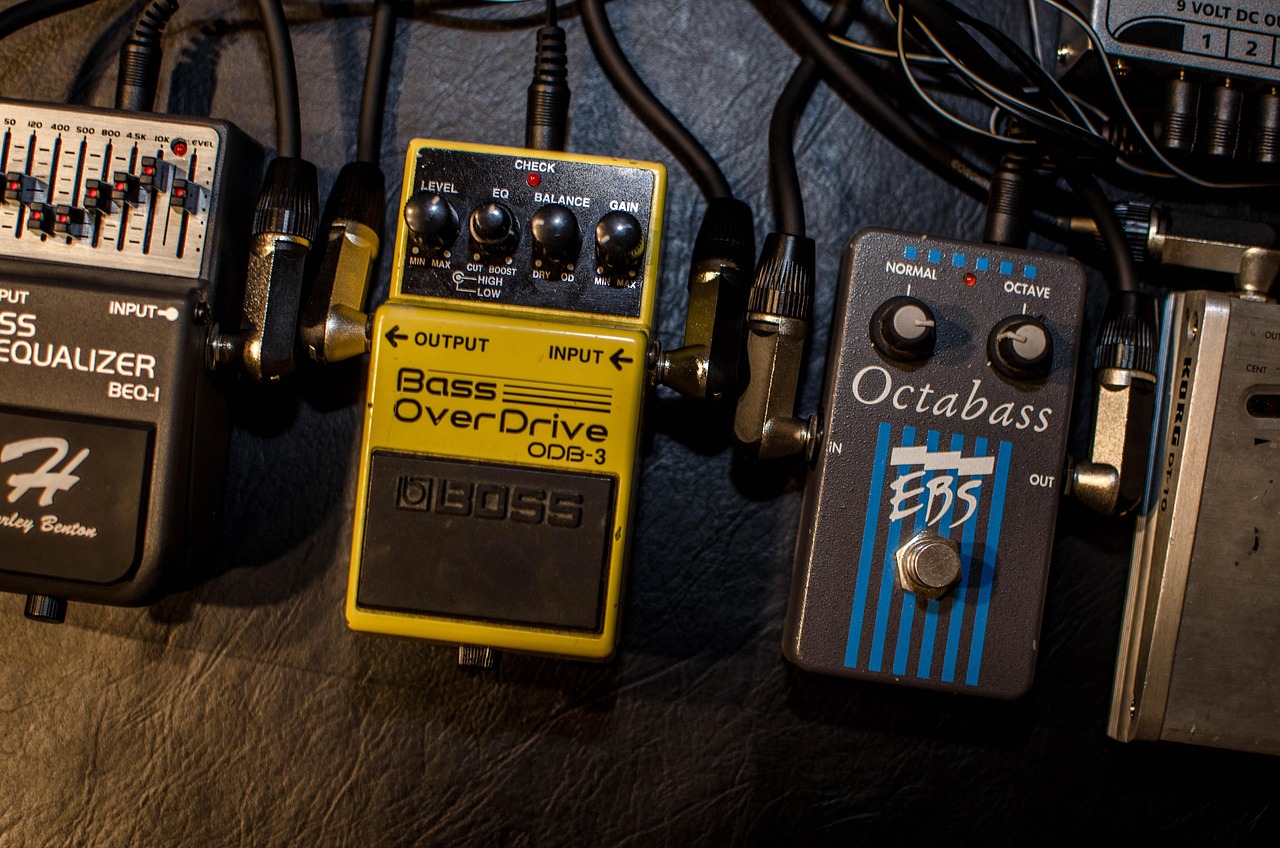
Want to capture that infectious funk guitar sound that makes crowds move? The right combination of effects pedals and technique makes all the difference. While your hands create the rhythm, the right pedals shape your sound into those iconic funk tones we all recognize. Sam Ash's pedal experts have compiled this guide to 2025's most essential funk guitar effects that will transform your playing.
Compression evens out your picking dynamics and provides that characteristic punch that makes funk guitar so percussive and tight. Without a good compressor, funk guitar can sound inconsistent and lack the rhythmic authority needed for the genre.
Funk guitar is fundamentally percussive. Those tight, rhythmic patterns require consistent attack and release. A quality compressor ensures that every note in your funky riff hits with similar intensity, creating that machine-gun precision that defines the genre.
The MXR Dyna Comp remains the industry standard for funk compression in 2025, offering that classic squish and sustain that has defined countless funk recordings. Its simple two-knob design (Output and Sensitivity) makes it incredibly user-friendly while delivering professional results.
For optimal funk settings, start with a moderate compression ratio (around 4:1), fast attack time, and medium release. This configuration squeezes your signal enough to create consistency without squashing your playing dynamics completely.
Adjust the sustain (or sensitivity) until you hear your notes become more even, but stop before your playing loses all dynamic character. The output (or level) should be set to match your bypassed volume or slightly higher to create a subtle boost when engaged.
For slap-style funk playing, increase the compression ratio and sustain for that tight, popping sound that cuts through any mix. For strummed funk rhythms, a gentler compression setting maintains the natural feel of your playing while still providing that essential funk punch.
The wah pedal's vocal-like quality is essential for that expressive funk sound. The Dunlop Cry Baby, for instance, remains a favorite for its sharp, precise sweep that cuts through dense mixes. Its distinctive midrange emphasis is perfect for funk's percussive approach.
The Vox V847 offers a slightly smoother, more vintage-flavored sweep that some players prefer for a warmer funk tone. Its more gradual taper creates a subtle, expressive quality that works beautifully for funk's dynamic requirements.
For 2025, modern options like the Dunlop 535Q Cry Baby Multi-Wah offer additional control with adjustable frequency ranges and Q settings, letting you customize the wah effect to match specific funk subgenres. Players looking for funk versatility should consider these advanced models.
While the rhythmic rocking of a wah pedal creates the classic "wacka-wacka" sound, the "cocked wah" technique is equally important for funk. This involves finding a sweet spot in the pedal's travel and leaving it fixed in that position, creating a focused midrange boost that helps cut through dense arrangements.
Prince was a master of this technique, using it to add vocal-like qualities to his funk solos. To find your ideal cocked position, slowly rock through your wah pedal's range while playing until you discover a spot that accentuates the frequencies that make your particular guitar sing.
The envelope filter, also known as an auto-wah, creates the "quacky" funk sound heard on countless recordings. The Mu-Tron III set the standard, with its touch-sensitive response that translates picking dynamics into vowel-like filter movements.
While original Mu-Tron III units now command collector prices, the 2025 market offers excellent alternatives. The Electro-Harmonix Q-Tron+ provides faithful recreation of those classic sounds with modern reliability. The MXR M82 Envelope Filter offers a more compact option with extensive control over the filter's response.
For players seeking a boutique option, the 3Leaf Audio Proton delivers exceptional tracking and musical response. Its ability to follow your playing dynamics makes it particularly well-suited for complex funk rhythms and lead lines.
The key to great envelope filter tone is in the setup. Start with the sensitivity control set to respond to moderate picking strength. Too sensitive, and every note triggers the effect; too low, and you'll need to attack the strings aggressively to activate the filter sweep.
Adjust the range or Q control to determine how dramatic the sweep sounds. For classic funk, a more pronounced sweep works well, while more subtle settings can integrate better with a full band mix. The peak control determines the intensity of the filter's resonance. Higher settings create that distinctive "quack" sound, while lower settings provide a more subtle tonal shift.
For maximum funk impact, try placing your envelope filter after your compressor but before any drive pedals. This placement ensures the filter receives a consistent signal to track while keeping the filter sweeps clean and articulate.
Modulation effects add dimension and movement to funk guitar. The MXR Phase 90 remains the gold standard for funk phasing, offering a swirling, liquid movement that enhances sustained chords and funk lead lines alike.
Eddie Hazel of Parliament-Funkadelic fame relied heavily on the Phase 90 to create his psychedelic funk sound. For 2025, the MXR CSP-101 Script Phase 90 reissue captures that vintage character with improved reliability.
Chorus effects add shimmer and dimension to clean funk tones. The Boss CE-2W Chorus provides authentic vintage chorus sounds with modern flexibility. For funkier applications, set the depth low and rate moderate to add subtle movement without washing out your rhythmic precision.
Contrary to popular belief, funk isn't always clean. Strategic use of light overdrive can add warmth and sustain to funk playing while maintaining essential clarity. The key is choosing the right pedal and using restraint with the gain settings.
Transparent overdrives preserve your fundamental tone while adding just enough grit to help phrases sustain. For funkier applications, keep the gain below 9 o'clock and adjust the tone controls to preserve midrange punch.
For more aggressive funk-rock fusion approaches, the Tube Screamer family (particularly the TS9) works well with its pronounced midrange hump that helps funk lines cut through a mix. Just remember: in funk, less gain is more. Your rhythmic definition should never be sacrificed for distortion.
Creating the perfect funk signal chain requires thoughtful arrangement. The consensus among professional funk guitarists points to a specific order that maximizes each pedal's effectiveness:
This arrangement ensures that your dynamic-responsive effects (wah and envelope filter) receive a consistent signal from your compressor while maintaining the clearest possible tone path. The result is a responsive, articulate funk tone that maintains definition even with multiple effects engaged.
For pedalboard layout, consider accessibility. Since wah pedals require constant foot manipulation, position them at the front edge of your board. Compressors and envelope filters that you might adjust between songs should be easily reachable.
After examining essential funk pedals and signal chains, one truth is clear: funk comes from your hands, not your gear. The greatest funk guitarists are distinguished by their rhythmic precision, dynamic control, and musical instincts; qualities no pedal can provide.
The percussive nature of funk guitar demands attention to muting technique, pick attack, and timing. Focus on developing these skills first, then add pedals to enhance your sound rather than define it.
The best approach is to master one effect at a time. Begin with a quality compressor, learn how it interacts with your playing, then gradually introduce additional pedals as your technique develops. This methodical approach ensures that each effect enhances your playing rather than masks technical deficiencies.
The return of funk in contemporary music has pushed manufacturers to develop effects specifically for funk's unique requirements. These modern tools, combined with time-tested techniques, provide today's funk guitarists with outstanding tonal possibilities.
The most authentic funk sound comes from the connection between your fingers and the strings. The pedals simply add flavor to an already musical dish. Practice your rhythm, develop your ear, and let your pedals complement the funk that's already in your playing.
When you're ready to try funk guitar effects, Sam Ash offers expert guidance to help you find the perfect pedals for your unique funk journey.


