Ever wondered why some yoga studios feel instantly like home while others leave you feeling disconnected? It turns out the secret lies in how breathwork, community design, and ancient wisdom combine—but most studios miss one crucial element that transforms everything.
The word yoga derives from the Sanskrit root 'yuj', which means 'to yoke,' 'to join,' 'to unite,' or 'to connect,' reflecting the practice's aim to harmonize mind, body, and spirit. This ancient practice, with roots in the Indus-Saraswati river valley civilisation dating back thousands of years (potentially as far back as 3000 BCE), represents far more than physical postures - it embodies the path to wholeness. These early seers understood that true well-being emerges when body, mind, and spirit unite in harmonious balance.
Modern yoga studios honour this foundational wisdom whilst adapting practices for contemporary needs. The evolution from rigid, top-down teaching methods to intuitive, body-listening approaches reflects a deeper understanding of individual healing journeys. ASY Studio embodies this philosophy, creating spaces where ancient breathwork traditions meet modern wellness approaches.
Today's practitioners seek more than physical exercise - they yearn for connection, community, and a sense of belonging. Research suggests that regular yoga practice can reduce anxiety and depression symptoms, improve sleep quality, and enhance overall mood. Yoga may serve as a complementary approach to managing these conditions. This transformation occurs not merely through asanas (postures) but through the integration of breath awareness, mindful movement, and supportive community bonds.
Pranayama, the yogic science of breath control, serves as the bridge between physical postures and deeper states of awareness. This fundamental practice calms the nervous system whilst promoting overall well-being through conscious breathing techniques that support every aspect of yoga practice.
Mindful breathing creates internal spaciousness that directly impacts joint health and mobility. When practitioners synchronise breath with movement, they naturally reduce compression forces on joints whilst increasing synovial fluid circulation. Deep, rhythmic breathing activates the parasympathetic nervous system, allowing muscles to soften and release tension patterns that contribute to joint stress.
The ujjayi breath technique, characterised by gentle constriction at the back of the throat, creates internal heat whilst maintaining steady rhythm throughout challenging poses. This conscious breathing pattern helps practitioners move with greater awareness, preventing the rushed movements that often lead to injury. The result is a more sustainable practice that supports long-term joint health.
The diaphragm, primary breathing muscle, forms an integral part of the core stability system alongside the pelvic floor, deep abdominal muscles, and multifidus. Coordinated breathing naturally engages these stabilising muscles, creating a strong foundation for balanced movement patterns.
Dynamic balance emerges when breath awareness guides transitions between poses. Practitioners who maintain steady breathing rhythm develop proprioceptive awareness - the body's ability to sense position and movement in space. This heightened body awareness translates into improved balance both on and off the mat, supporting daily activities with greater confidence and stability.
Controlled breathing practices directly influence brain function through the vagus nerve, which connects the breath to the parasympathetic nervous system. Regular breathwork increases heart rate variability, a marker of resilience and adaptability that correlates with improved cognitive function and emotional regulation.
Mindfulness practices integrated into yoga classes help participants cultivate present-moment awareness whilst reducing mental chatter. This focused attention, guided by breath rhythm, creates neural pathways that support sustained concentration and emotional balance. The brain literally rewires itself through consistent practice, developing greater capacity for stress management and clear thinking.
Yoga studios naturally foster connection by providing spaces where individuals unite around shared health and wellness goals. This sense of community extends far beyond scheduled classes, creating support networks that strengthen both individual practice and collective well-being.
The unique atmosphere of yoga studios enables authentic connections between practitioners who might never meet otherwise. Shared vulnerability in learning new poses, collective breathing exercises, and mutual encouragement during challenging sequences create bonds that transcend typical social boundaries.
Many studios organise workshops focusing on specific aspects like breathwork, meditation, or restorative yoga to deepen students' understanding and practice. These specialised gatherings create opportunities for meaningful conversations about personal growth, healing journeys, and life transformations that emerge through consistent practice.
Community support significantly impacts practitioners' ability to maintain consistent yoga practice over time. When individuals feel genuinely welcomed and understood, they're more likely to return regularly and examine deeper aspects of yogic teachings. This creates positive feedback loops where personal growth inspires others whilst receiving encouragement from fellow practitioners.
Some studios extend community building beyond practice sessions through social events like potlucks or outdoor yoga sessions. These gatherings foster connections outside the studio environment, strengthening relationships that support members through life's challenges whilst celebrating shared achievements and milestones.
The physical environment profoundly influences practitioners' ability to relax, focus, and connect with their inner experience. Thoughtful studio design considers every element from lighting to temperature, creating sanctuaries that support healing and transformation.
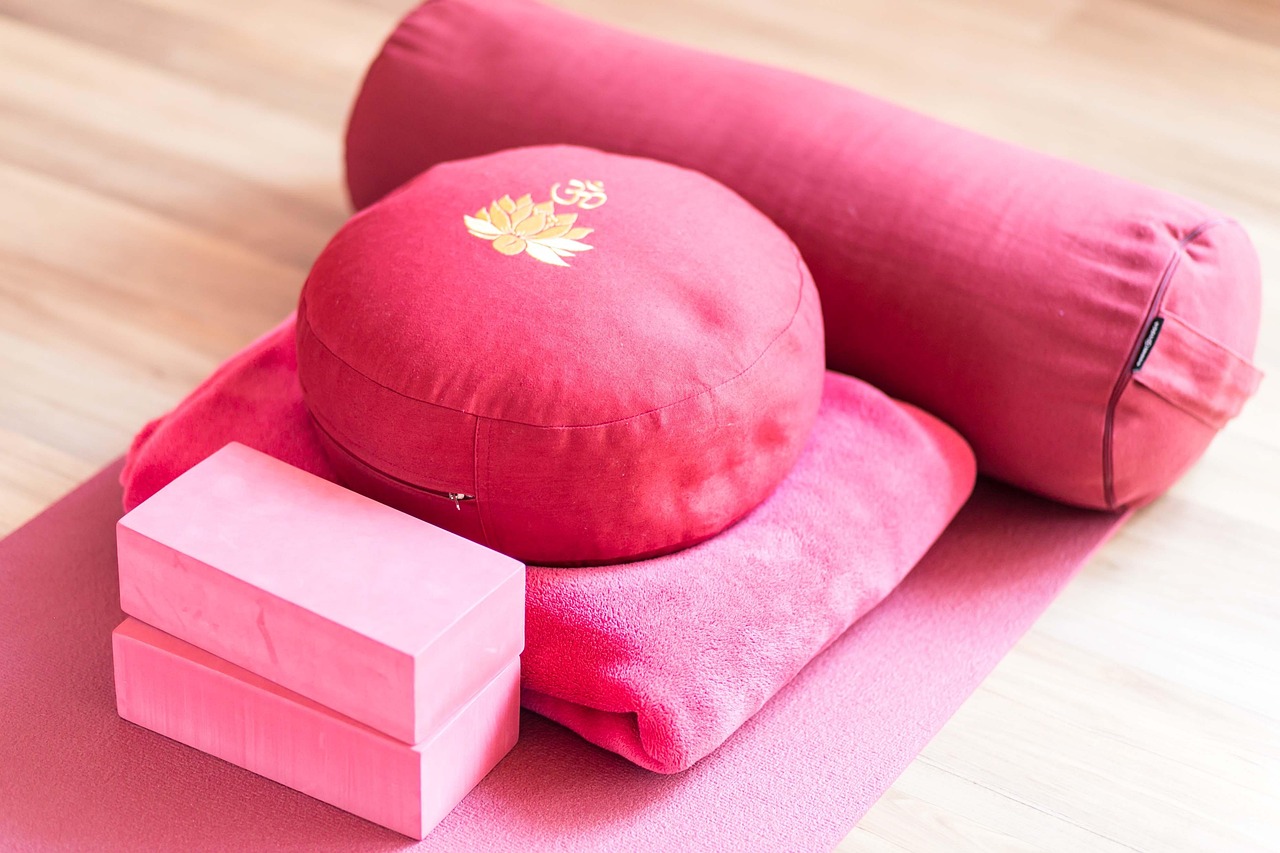
Inclusive studio design accommodates diverse body types, mobility levels, and comfort needs through carefully selected props and equipment. Wide doorways, accessible changing areas, and varied seating options ensure everyone can participate fully regardless of physical limitations or challenges.
Natural light, calming colour palettes, and comfortable spaces contribute significantly to feelings of peace and tranquillity. Temperature control systems maintain optimal conditions for practice whilst sound dampening materials create quiet environments conducive to meditation and deep relaxation. These physical elements work together to support the nervous system's ability to shift into rest and restoration modes.
Beyond physical design, truly inclusive studios cultivate atmospheres where all individuals feel valued and accepted exactly as they are. This involves training instructors in trauma-informed practices, using inclusive language, and creating policies that welcome diverse populations without discrimination or judgment.
The feeling of 'home' in yoga studios emerges from factors including atmosphere quality, instruction excellence, and genuine connection among members. When practitioners sense authentic acceptance and support, they can examine their practice more deeply whilst contributing their unique gifts to the collective experience.
Trauma-informed yoga environments recognise that many practitioners arrive carrying emotional or physical wounds requiring sensitive attention. Studios designed with trauma awareness offer choice and control over participation levels, clear communication about upcoming movements, and permission to modify or skip elements that don't serve individual needs.
Testimonials from practitioners consistently highlight the positive impact of supportive studio environments on personal growth and well-being. These healing spaces provide safety for individuals to examine difficult emotions, release stored tension, and develop healthier relationships with their bodies through compassionate self-awareness practices.
The integration of ancient wisdom with modern understanding creates powerful possibilities for transformation and healing. When breathwork, community support, and thoughtfully designed spaces combine, practitioners discover not just physical benefits but profound shifts in overall life quality and personal resilience.
Breath awareness serves as the foundation for this transformation, teaching practitioners to handle life's challenges with greater ease and confidence. The supportive community found in dedicated yoga spaces extends these benefits beyond individual practice, creating networks of mutual encouragement that sustain long-term growth and well-being.
Every element - from the physical comfort of well-designed spaces to the emotional safety of inclusive atmospheres - contributes to environments where authentic healing can occur. These sanctuaries offer refuge from daily stress whilst providing tools and community support necessary for lasting positive change in practitioners' lives.
Experience the transformative power of breath-centred yoga practice in a welcoming community at ASY Studio, where balance and belonging unite through mindful movement and supportive connection.


