Most operators don’t realize their daily habits determine whether a forklift lasts three years or ten. Simple five-minute checks and knowing which sounds mean trouble can save your facility thousands in repairs and prevent dangerous equipment failures.
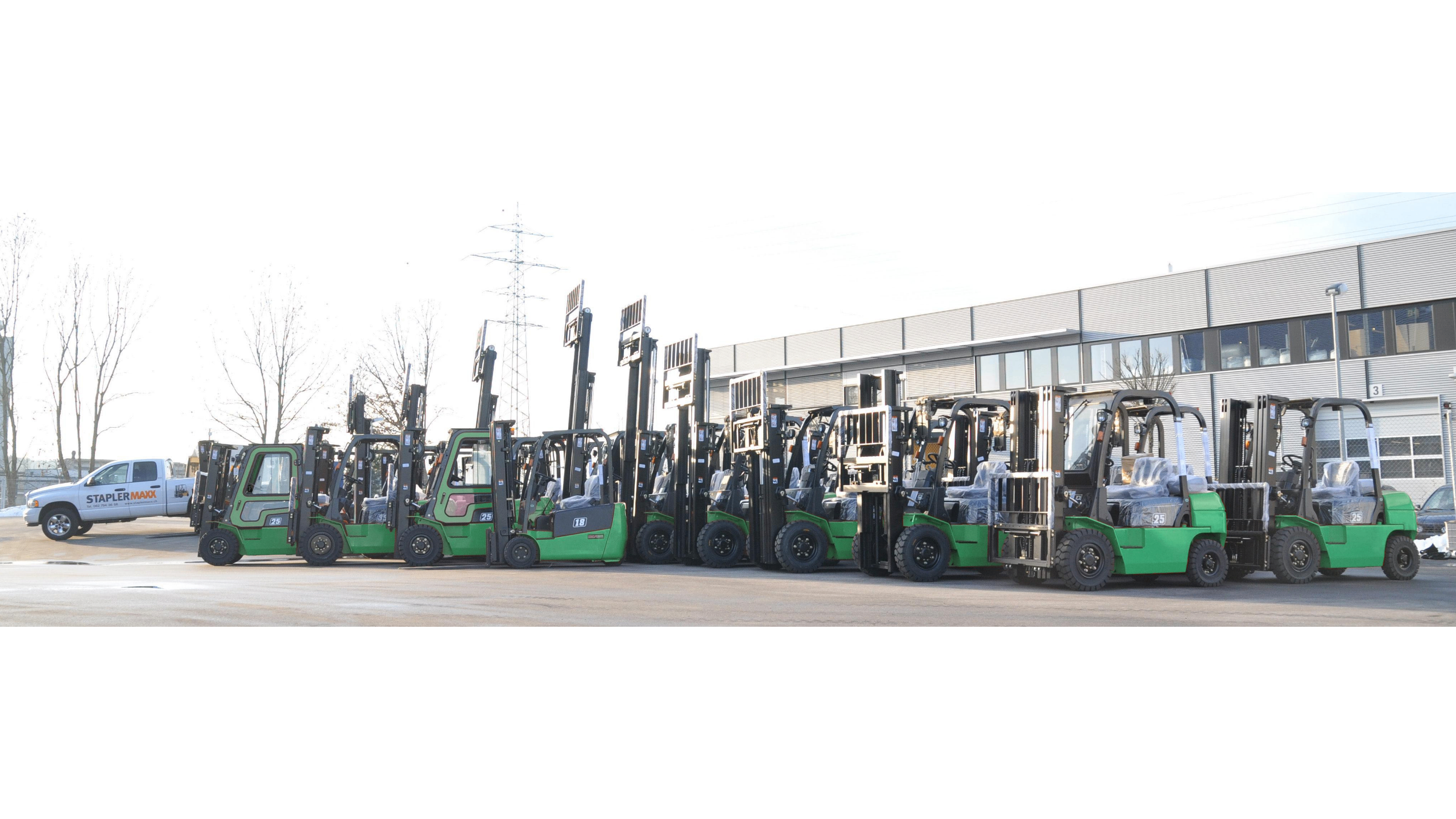
Forklift breakdowns cost warehouses thousands per minute, yet many Swiss equipment specialists emphasize that proper maintenance keeps machines running for ten years. Most facilities only notice problems after major failures disrupt operations, which shouldn't be the case, the experts at STAPLERMAXX say.
Regular maintenance prevents small issues from becoming expensive disasters that shut down your entire warehouse. Here's what every operator needs to know about keeping forklifts running and spotting problems early.
Equipment doesn't break suddenly but wears down slowly over weeks until something important stops working completely. Hydraulic systems lose pressure bit by bit, making the forks drop lower each day until loads start falling during work. Brake pads get thinner gradually, forcing operators to push harder until the forklift can't stop safely anymore.
Tiny fluid leaks grow into puddles that damage other parts, turning cheap seal fixes into thousand-dollar transmission repairs. When tire pressure drops slowly, the forklift uses more fuel and becomes harder to steer until accidents happen.
Look at hydraulic oil, engine oil, coolant, and transmission fluid levels before each shift starts. Low fluids cause most breakdowns, but catching them early prevents major damage to expensive parts. Mark normal levels with tape so anyone can spot problems quickly without guessing what's right.
Walk around the forklift checking for bent parts, cracks, or puddles that weren't there yesterday. Small leaks become big problems fast, so report anything suspicious before it gets worse. Pay special attention to hydraulic hoses since they handle high pressure and fail without warning sometimes.
Check tire pressure weekly because low pressure wastes fuel and makes the forklift unstable with heavy loads. Test the horn, lights, backup alarm, and seatbelt to meet safety rules and protect workers. Clean the operator area since trash near the pedals causes accidents when things roll under the brake pedals.
Try the steering, brakes, and gas pedal to feel if anything seems different from normal operation. Shift between forward and reverse checking for smooth movement without grinding sounds or delays. Raise and lower the forks empty, testing the tilt function at different heights.
Never ignore warning lights for oil pressure, temperature, or battery problems, hoping they'll go away. These lights protect expensive parts by warning you before permanent damage happens to the engine. Write down which lights come on so technicians know what to check first.
Forklifts that struggle lifting loads or drop them slowly usually have hydraulic problems needing professional tools to fix. Low hydraulic fluid might seem simple, but it often means leaks that require finding and replacing worn seals. Stretched lift chains look fine but fail suddenly, so technicians use special tools to measure wear accurately.
Weird noises when turning usually mean rust or low fluid that gets worse quickly without proper repairs. Thick steering fluid makes turning hard and damages pumps that cost thousands to replace later on. When tires wear unevenly, the real problem might be bent parts that only professionals can diagnose correctly.
Electric forklifts with dead batteries might need new cells costing hundreds each, not just a charge overnight. Gas models get clogged fuel systems from old gas sitting too long during slow business periods. Some forklifts won't start with low oil as a safety feature that protects the engine from damage.
Fluid puddles under your forklift mean seals are failing and need replacement before major components get damaged. Any dashboard warning light signals problems that multiply fast when you keep driving and hoping for the best. When lifting gets slower or steering feels different, internal parts are wearing out and need checking soon.
Strange sounds like grinding or squealing mean metal parts are rubbing incorrectly and destroying each other quickly. These signs give you time to schedule repairs instead of dealing with breakdowns during busy times.
Good maintenance programs keep forklifts running longer while costing less than emergency repairs that happen at the worst times. Certified technicians spot problems you'd miss and fix them before they cause breakdowns that stop everything. They know which parts wear out together and replace them during one visit instead of multiple service calls.
Professional maintenance includes paperwork proving your equipment meets safety rules and protects against lawsuits if accidents happen. When you need repairs, finding qualified technicians near your facility ensures quick response times that minimize downtime.


