You’ve probably added Epsom salt to a foot bath before, but studies show that combining it with specific essential oils creates measurably different effects on stress, circulation, and muscle recovery. The question is: which combinations actually work, and which oils require medical clearance first?
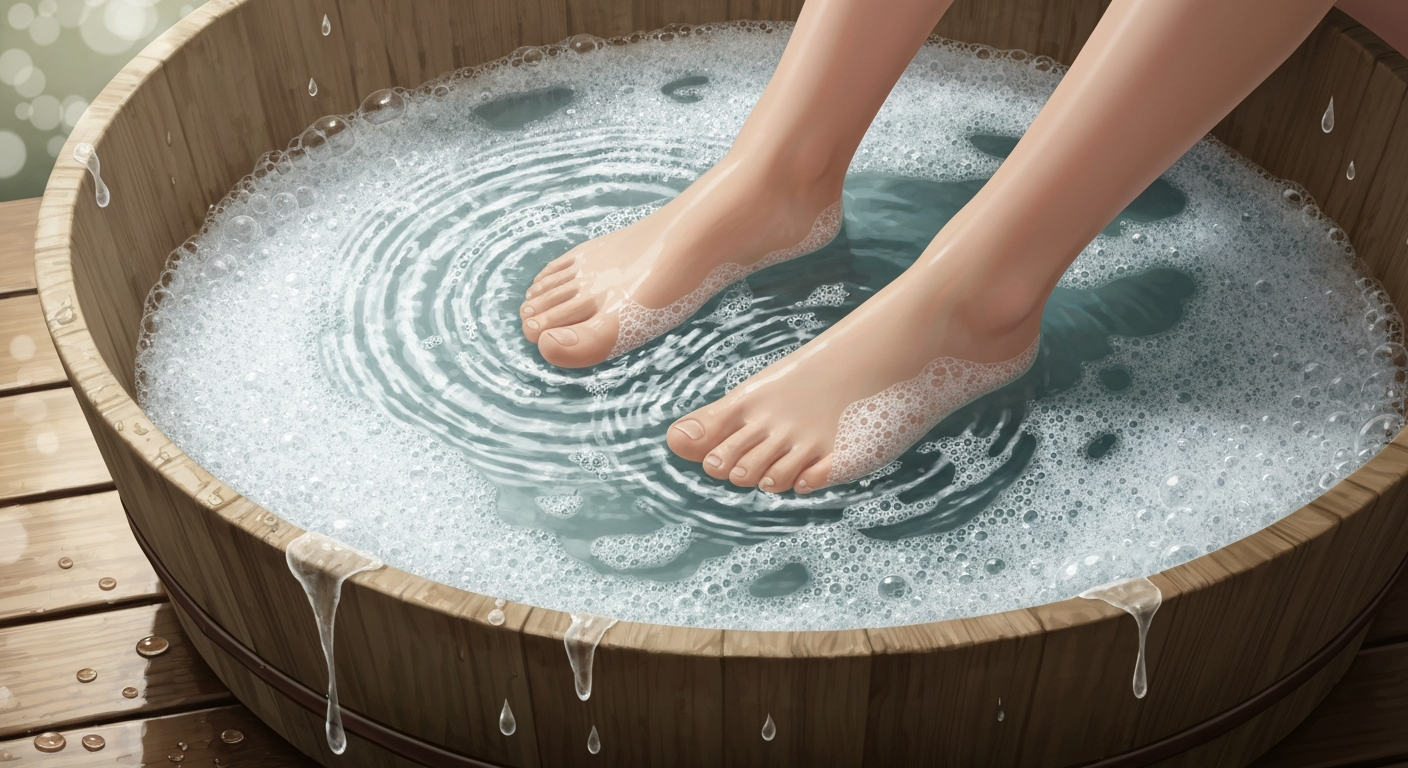
After a long day on your feet, a warm foot soak is one of the simplest and most effective forms of self-care available. The right additives make all the difference. Salts and essential oils are not wellness trends without substance; they are ingredients with genuine therapeutic value backed by research and long-standing use.
The appeal of a foot soak goes beyond warm water. Studies on foot bath therapy have shown measurable improvements in mood, stress levels, body temperature regulation, and sleep satisfaction - including in clinical observations of stroke patients.
What separates a basic soak from a genuinely therapeutic one is what goes in the water. Salts support mineral absorption and skin softening. Essential oils add aromatherapeutic and circulatory benefits. Together, they create a layered approach to foot relief that is both natural and accessible. For a deeper look at how DIY soak ingredients compare and combine, Healifeco's guide to DIY foot bath ingredients and alternatives is a solid reference point.
Epsom salt - chemically known as magnesium sulfate - is the most widely recommended foot soak additive for a reason. It dissolves readily in warm water and is associated with magnesium and sulfate delivery through the skin, though the extent of significant transdermal absorption remains a subject of ongoing research.
Magnesium plays a key role in muscle and nerve function. It helps reduce irritability, supports better sleep and concentration, and is needed for the body's effective use of calcium. Epsom salt foot soaks are widely reported to ease muscle tension, reduce inflammation, and provide comfort from muscle cramps and joint pain - including discomfort associated with conditions like arthritis.
The caveat: while transdermal magnesium absorption is widely accepted in wellness contexts, the scientific evidence on exactly how much is absorbed through the skin is still developing, and some sources suggest the amount may be minimal. What is well-established is that warm water itself relieves tension, and that Epsom salt soaks consistently provide comfort for tired and achy feet.
Beyond muscle comfort, Epsom salt works as a gentle physical exfoliant. The granules help slough off dead skin cells, leaving feet noticeably softer. It also helps address foot odor and supports treatment of minor fungal concerns on the skin's surface.
Sea salt brings a different but complementary profile to a foot soak. Unlike Epsom salt, sea salt contains a broad spectrum of trace minerals - including magnesium, potassium, calcium, and zinc - that can support skin health and circulation.
These minerals help soothe and revitalize tired feet, assist in clearing surface-level impurities from the skin, and may support the healing of minor cuts or blisters. Sea salt also acts as a natural exfoliant, working similarly to Epsom salt to remove dead skin. Using both salts together takes advantage of their different mineral compositions - more on that below.
Not all essential oils are suited for foot baths, but several stand out for specific, well-documented benefits. The key is matching the oil to the outcome you are after.
Lavender and chamomile are the two most recognized calming essential oils in aromatherapy. Both have been shown to reduce stress and anxiety and promote a more positive state of mind. Adding either - or both - to an evening foot soak creates a wind-down ritual that supports better sleep. Research on essential oils used in clinical settings has found they can help relieve stress and anxiety, reinforcing what aromatherapy practitioners have recommended for years.
Peppermint and eucalyptus oils are stimulating rather than sedating. When added to a warm foot soak, they help dilate blood vessels, improve circulation, and deliver a cooling, refreshing sensation that is especially effective for tired, overheated, or swollen feet. Research has shown that essential oils can support blood flow and ease tension when used in warm water, making peppermint and eucalyptus particularly useful for anyone who spends long hours standing or experiences mild circulation sluggishness.
Tea tree oil has well-established antifungal and antibacterial properties. In a foot bath, it is effective for preventing and addressing fungal issues like athlete's foot. It works as a protective additive even when there is no active infection present - making it a useful preventive option for people who frequent gyms, pools, or shared locker rooms.
Essential oils are highly concentrated and should never go directly into a foot bath without dilution. Undiluted oils can cause skin irritation, sensitivity reactions, or chemical burns.
The correct approach:
Blending essential oils into Epsom or sea salt before dissolving them in the foot bath is one of the easiest and most effective delivery methods - the salt acts as a natural emulsifier and helps the oil disperse evenly through the water.
Individual ingredients work well on their own, but thoughtful combinations provide a broader range of benefits that no single additive delivers alone.
Pairing Epsom salt and sea salt in a single soak is a simple upgrade with real payoff. One suggested ratio is 1/2 cup Epsom salt and 1/4 cup sea salt dissolved in a basin of warm water. Epsom salt addresses muscle tension and acts as a primary exfoliant; sea salt contributes its broader mineral profile and skin-revitalizing properties. Soak for 20 to 30 minutes. Add essential oils - peppermint for circulation, lavender for relaxation, or tea tree for antifungal protection - to customize the session further.
Bentonite clay is a naturally occurring volcanic ash clay that carries a negative electrical charge. When used in a foot bath alongside Epsom salt, it may help draw surface impurities toward the skin while the magnesium from Epsom salt works on deeper muscle tension. After rinsing, skin is often left feeling smooth and soft.
One important clarification: bentonite clay is often marketed with dramatic detox claims. The honest framing is that the clay can adsorb surface-level impurities - it is a useful relaxation and skin-care additive, not a medically proven systemic detox agent. Use it for what it genuinely delivers: a more luxurious, skin-softening soak experience.
Note: avoid using metal utensils to mix bentonite clay, as metal can reduce its effectiveness.
Foot soaks are safe for most people, but certain conditions require caution or a conversation with a healthcare provider first.
Epsom salt eases muscle tension and exfoliates. Sea salt replenishes minerals and soothes. Lavender calms the nervous system. Peppermint gets blood moving. Tea tree protects against fungal threats. These are not just feel-good ingredients - they are a practical, evidence-informed toolkit for foot relief that requires nothing more than a basin and 20 minutes.
A well-built foot soak is defined by its simplicity: inexpensive, customizable, and genuinely effective when the right ingredients are used correctly. Whether the goal is relaxing after a long week, relieving achy muscles, or keeping feet healthy and smooth, salts and essential oils get the job done - no appointment required.


