Organizations working in rural hunger relief in Bangladesh, including Lotus Ministry Trust, have found that a local-first approach tends to improve both outreach and distribution effectiveness.
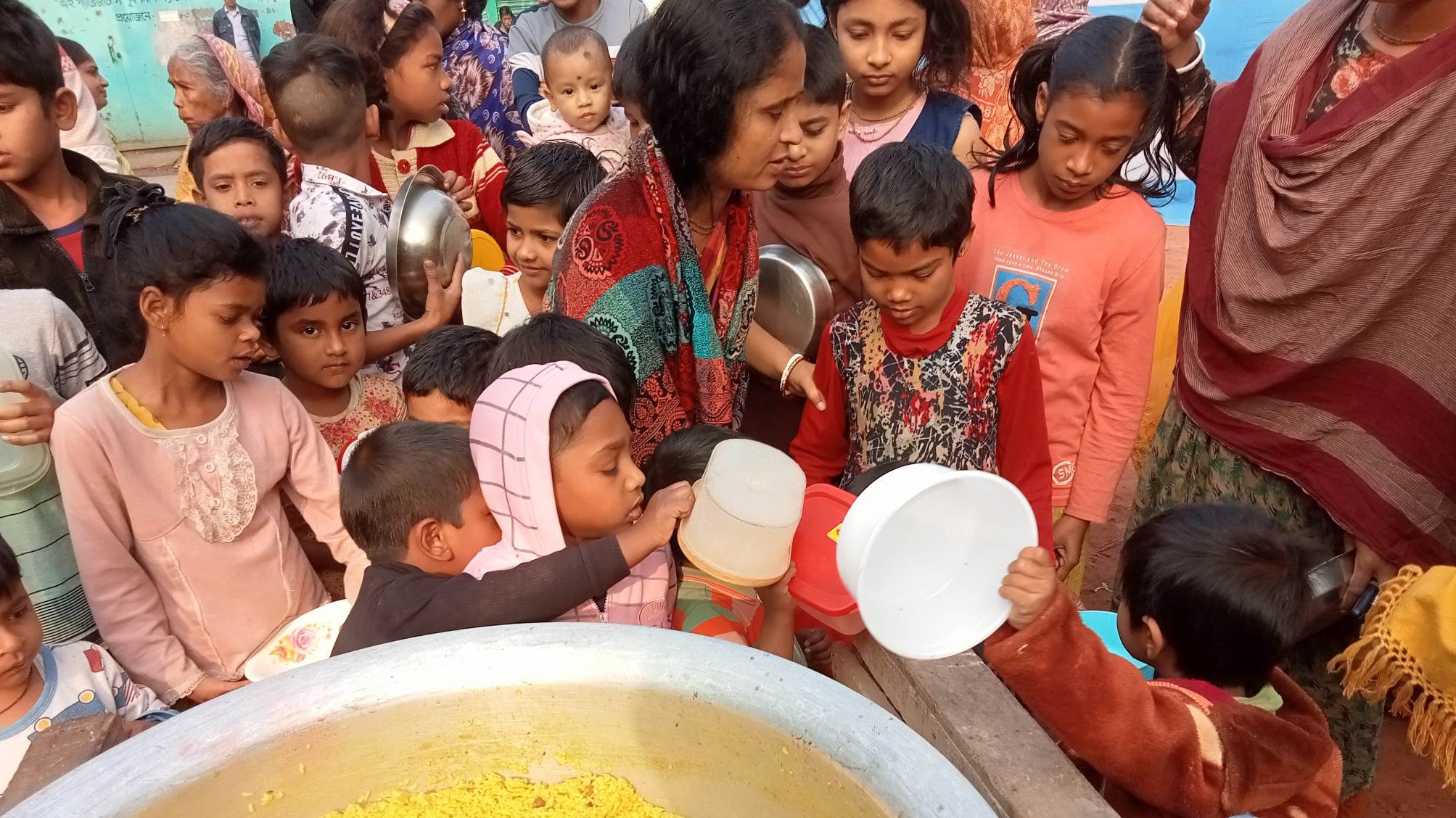
Food insecurity in Bangladesh remains a significant humanitarian challenge despite progress in poverty reduction and agricultural development. Economic pressures, inflation, climate-related disruptions, and regional disparities continue to affect access to nutritious food, particularly in rural areas. While food aid programs play an important role in addressing immediate needs, the effectiveness of those efforts often depends on something less visible: local community networks.
In hunger relief operations, distribution is rarely as simple as transporting food from one location to another. Reaching vulnerable households requires local knowledge, trust, and an understanding of community dynamics. These factors help determine whether assistance reaches those who need it most.
Organizations supporting rural hunger relief in Bangladesh frequently rely on community leaders, volunteers, and grassroots networks to bridge the gap between aid providers and underserved populations. Food relief efforts supported by organizations such as Lotus Ministry Trust emphasize this local-first approach as a practical way to improve outreach and distribution effectiveness.
Food insecurity is often viewed as a supply problem. In reality, access and distribution can be equally important challenges.
According to the Integrated Food Security Phase Classification (IPC), approximately 16 million people in Bangladesh are projected to experience acute food insecurity during periods of increased vulnerability. Many of the most affected communities are located in rural regions where transportation infrastructure, seasonal flooding, and geographic isolation complicate aid delivery.
Even when food supplies are available, relief organizations must identify households facing the greatest need, coordinate distribution schedules, and navigate logistical obstacles that can slow response efforts. Without local support systems, these operational challenges become significantly more difficult to manage.
Community networks help address these issues by providing accurate local information and helping organizations adapt distribution strategies to changing conditions on the ground.
Community networks contribute to hunger relief in ways that go beyond simple logistics. Local leaders often have a better understanding of which families are struggling with food access, income instability, or disability-related challenges — households that might otherwise be missed entirely.
Beyond identifying need, community volunteers also help build the kind of trust that makes programs actually work: in many areas, residents are far more likely to participate when relief efforts are introduced by familiar faces. That trust translates into better communication, higher participation rates, and fewer barriers to access. And on a practical level, local networks help coordinate distribution points, communicate schedules, assist with transportation, and support home deliveries for people unable to travel.
These contributions help relief organizations operate more efficiently while ensuring assistance reaches intended recipients.
The value of community networks extends beyond immediate food distribution.
When local stakeholders participate in relief efforts, organizations gain a deeper understanding of ongoing challenges affecting households and communities. This insight can help inform future interventions and improve resource allocation over time.
Community involvement can also increase accountability. Local participation helps ensure aid is distributed transparently and allows organizations to receive direct feedback from recipients regarding program effectiveness.
In regions facing recurring food insecurity, these relationships become especially important. Strong local partnerships help create more resilient support systems capable of responding to changing economic and environmental conditions.
Addressing hunger requires more than food supplies alone. Successful relief efforts depend on the ability to identify needs accurately, reach underserved populations, and maintain trusted relationships within communities.
As efforts to address food insecurity in Bangladesh continue to evolve, community networks remain one of the most important factors supporting effective hunger relief. By connecting aid providers with local knowledge, volunteers, and community leaders, these networks help ensure assistance reaches vulnerable households while improving the overall impact of food distribution efforts.


