Drop tests reveal a shocking performance gap between these two popular packaging materials-one consistently fails when protecting valuable electronics, while the other’s 98% air structure delivers superior protection. But the cost difference might surprise you.
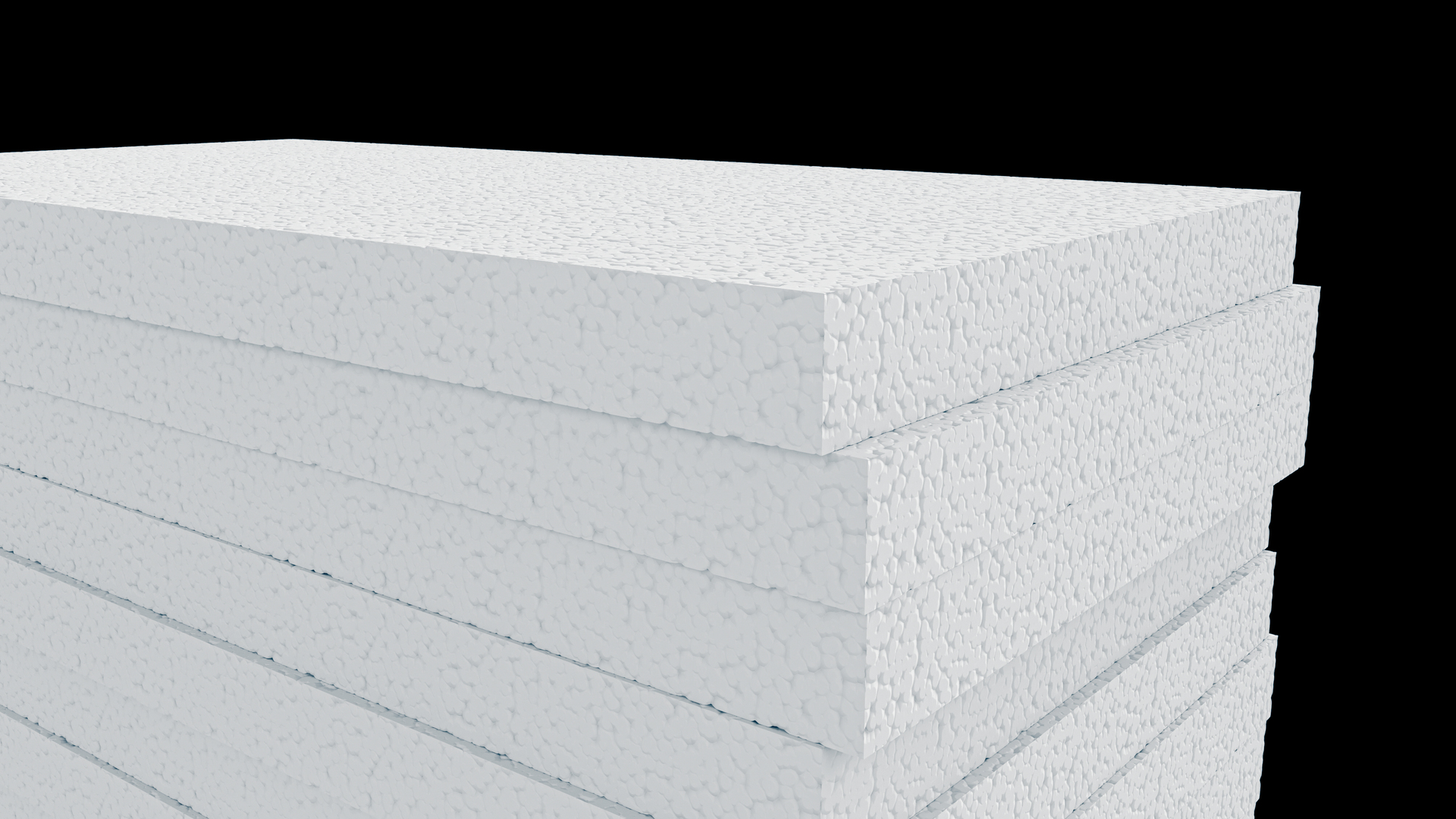
Drop testing reveals a stark difference in protective performance between EPS foam sheets and traditional bubble wrap. EPS foam's unique composition of 98% air trapped within a closed-cell structure provides exceptional shock absorption that consistently outperforms bubble wrap alternatives. The rigid cellular matrix distributes impact forces across the entire surface, preventing concentrated stress points that can lead to product damage.
This superior performance stems from EPS foam's engineered structure, which maintains its protective properties even after repeated impacts. Unlike bubble wrap's air pockets that can collapse under pressure, EPS foam's closed cells recover their shape and continue providing reliable cushioning throughout the shipping process.
The fundamental difference between these packaging materials lies in their cellular architecture and moisture resistance capabilities. Understanding these construction differences helps businesses make informed decisions about which material best suits their specific packaging needs.
EPS foam features a closed-cell structure where individual air pockets remain completely sealed from one another. This construction creates exceptional moisture resistance, as water cannot penetrate the cellular matrix. The closed cells also provide consistent cushioning properties across the entire foam sheet, ensuring uniform protection regardless of where impact occurs.
The manufacturing process involves steam-heating polystyrene beads containing pentane gas, causing them to expand approximately 40 times their original size. This expansion creates the distinctive lightweight structure that combines strength with minimal weight added to packages.
Bubble wrap consists of air-filled pockets trapped between two plastic layers, creating flexible cushioning through air compression. The material offers three standard cell sizes: 3/16″ bubbles for delicate items like glassware, 5/16″ for general household goods, and larger sizes for bulkier products requiring enhanced protection.
This air-cushioning system provides excellent shock absorption for lighter items, with the plastic layers offering some moisture protection. However, the effectiveness depends on maintaining air pressure within the bubbles, which can diminish if punctured or compressed repeatedly.
EPS foam's versatility shines through its range of density options, allowing precise matching of protection levels to product requirements. EPS 70 sheets are a popular mid-range density option that balances cost-effectiveness with reliable protection for most packaging applications.
Lower density grades (13.5 kg/m³) suit lightweight electronics and decorative items, whilst higher densities (24-28 kg/m³) provide the compressive strength needed for heavy electronics, machinery components and industrial equipment. This customisation capability makes EPS foam particularly valuable for businesses shipping diverse product ranges.
The financial considerations between bubble wrap and EPS foam extend beyond initial purchase prices to include long-term operational costs and damage prevention benefits.
Bubble wrap presents an attractive entry point with small rolls starting around £5, making it accessible for small businesses and occasional shippers. Bulk purchases can reduce costs significantly, with large rolls (100 x 24 feet) available for approximately £25. This scalability makes bubble wrap particularly appealing for high-volume, low-value shipments.
EPS foam requires a higher initial investment due to customisation requirements and specialised manufacturing processes. The cost varies significantly based on size, quantity, and density specifications. For example, six sheets of expanded foam polystyrene (2400x1200x50mm) can cost about £75. However, bulk purchasing can make foam solutions more competitive, especially when factoring in reduced storage requirements due to the material's efficient space utilisation.
The actual cost comparison emerges when considering damage-related expenses. Businesses handling valuable electronics often find that foam's superior protection justifies the premium cost through reduced replacement expenses and customer dissatisfaction.
A case study involving a tile wholesaler demonstrated substantial cost savings after switching to foam-in-place systems, highlighting how improved protection translates directly to reduced damage claims. These savings often offset the higher material costs within months of implementation.
EPS foam's minimal weight contribution provides ongoing savings through reduced shipping costs. The 98% air content means protective packaging adds virtually no freight charges, particularly beneficial for international shipments where weight-based pricing applies.
This weight advantage becomes more pronounced with larger packages, where foam's lightweight nature can result in significant cost savings compared to heavier alternatives while maintaining superior protection.
Different product categories require tailored protection approaches, with material selection depending on weight, fragility, and value considerations.
Heavy electronics demand packaging materials that can withstand both compressive forces and impact shocks. EPS foam's customisable density grades provide the necessary structural support, with higher density options (24-28 kg/m³) offering compressive strengths suitable for protecting televisions, computer servers, and industrial equipment.
The foam's cellular structure distributes weight evenly, preventing pressure points that could damage sensitive components. Testing shows EPS foam maintains its protective properties under sustained loads, making it ideal for items that may be stacked during warehouse storage or transport.
Fragile items benefit from individual wrapping approaches that combine materials strategically. Bubble wrap excels at providing immediate surface protection for items like glassware and ceramics, offering flexibility that conforms to irregular shapes.
For maximum protection, many packaging professionals combine bubble wrap's conformable cushioning with EPS foam's structural support, creating a two-layer system that addresses both surface protection and impact absorption. This hybrid approach optimises cost whilst ensuring thorough protection.
The environmental impact of packaging materials extends beyond biodegradability to include recycling infrastructure and transportation considerations.
Bubble wrap, manufactured from low-density polyethylene (LDPE), carries Resin Identification Code (RIC) #4 and can be recycled at many grocery stores and other locations that accept plastic film recycling. This makes recycling accessible for consumers and small businesses.
EPS foam can be recycled but requires specialised facilities that can handle its lightweight nature and unique composition. The recycling process may involve compacting or densifying the foam. However, when properly recycled, EPS can be transformed into various products, including clothes hangers, outdoor furniture, and plastic decking, demonstrating its circular economy potential.
The transportation impact varies significantly between materials. EPS foam's lightweight nature reduces fuel consumption during shipping, whilst bubble wrap's volume requirements can increase packaging dimensions and transport costs.
This weight advantage means EPS foam often delivers lower overall carbon emissions despite requiring specialised recycling, particularly for long-distance shipments where fuel efficiency becomes paramount.
Environmental considerations must include the waste generated by damaged products requiring replacement. EPS foam's superior protection capabilities reduce the need for return shipments and replacement products, ultimately decreasing the total environmental impact of the shipping process.
This damage prevention creates a multiplier effect, as each avoided replacement eliminates the manufacturing, packaging, and shipping emissions associated with replacement products, while reducing landfill waste from damaged items.
The 'value-action gap' is a well-known phenomenon in the waste industry that tends to apply to packaging materials. The "cheapness" of bubble wrap creates a paradox where a highly recyclable material (LDPE) ends up in landfills more often than the "difficult" material (EPS).
Behavioural economics posits that because bubble wrap is inexpensive (priced in pennies per meter), some consumers may view it as "disposable." It feels like trash the moment the package is opened. Because it is flexible and scrunchable, it is easy to hide in a general waste bin.
Conversely, EPS sheets are bulky. A user cannot easily hide a 600mm polystyrene sheet in a bin without breaking it up (which makes a mess). This "hassle factor," combined with industrial mandates for businesses, tends to 'force' users to deal with it properly.
The recycling rate for EPS packaging in the UK is 66%, primarily driven by businesses (B2B) that have specific waste contracts. In contrast, the recycling rate for flexible consumer plastics (like bubble wrap) is estimated at only 6%.
The optimal choice between EPS foam and bubble wrap depends on specific application requirements, with each material offering distinct advantages for different shipping scenarios.
Consider EPS foam when shipping electronics worth over £100, items weighing more than 5kg, or products requiring repeated protection during multiple handling stages. Choose bubble wrap for documents, clothing, lightweight household items, and situations where packaging costs must remain minimal whilst providing basic protection.
For tailored packaging solutions for specific requirements, discuss business needs with a packaging materials expert to select the optimal protective materials for your business needs.


