Protect your home by spotting five telltale termite signs: mud tubes, hollow wood, discarded wings, frass, and structural damage. With Eastern Subterranean termites able to devour 2 feet of wood in months, professional exterminators provide specialized treatments including barriers and bait systems.
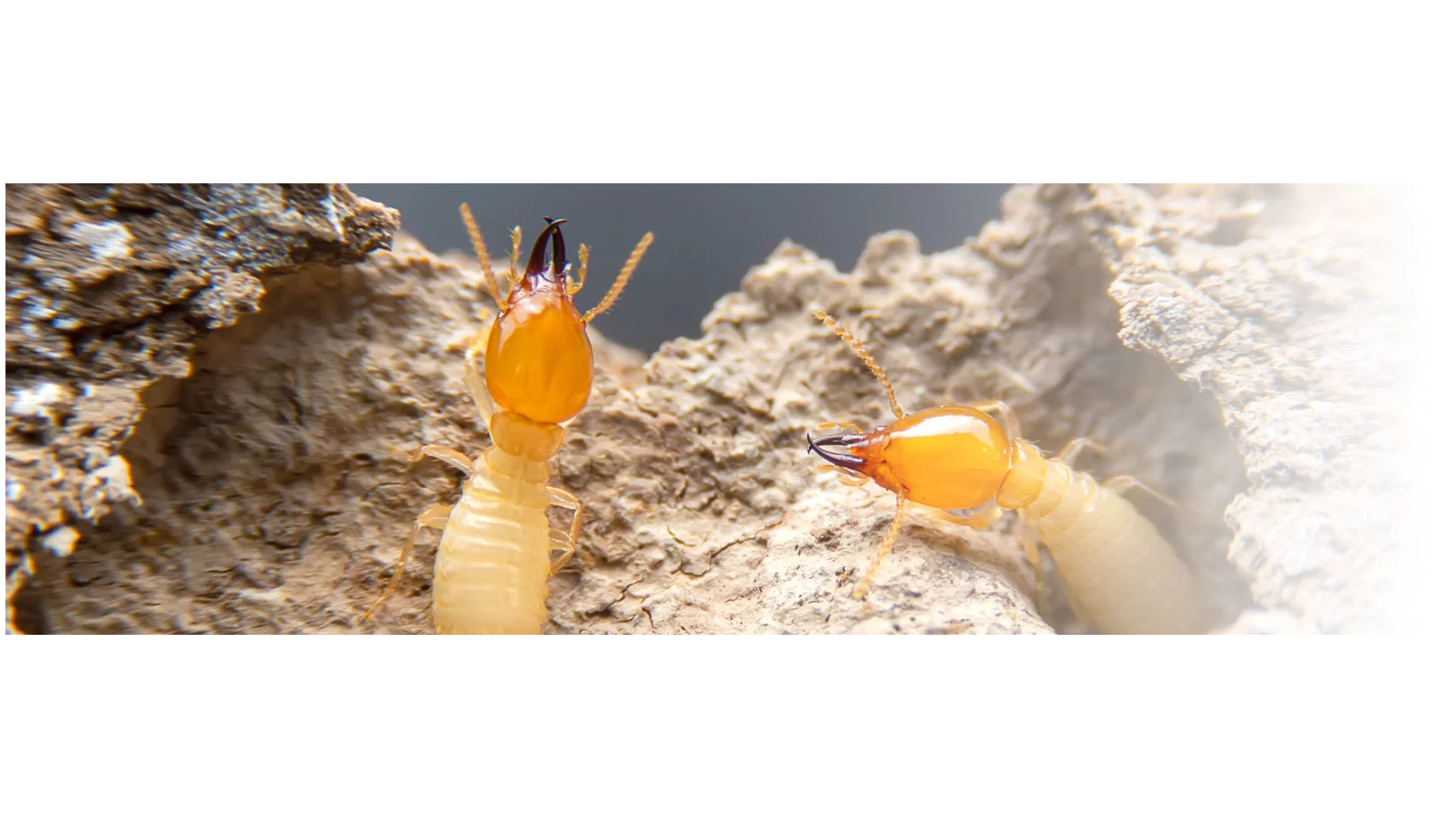
A single termite might seem harmless, but a colony hiding in your home's structure can silently cause devastating damage. These relentless pests work around the clock, consuming wooden structures and potentially compromising your home's integrity before you even realize they've moved in. For homeowners in Northern Virginia, termite damage isn't just possible—it's a genuine threat that requires vigilance and prompt action.
Each year, termites cause over $5 billion in property damage across the United States, with Virginia homes being particularly vulnerable due to the region's climate and soil conditions.
Knowing what to look for can make all the difference between minor treatment costs and major structural repairs. Here are the most common termite threats in Northern Virginia and the telltale signs they leave behind.
Eastern Subterranean termites are by far the most common termite species threatening homes in the area. These destructive pests build their colonies underground, with populations that can reach into the millions. What makes them particularly dangerous is their methodical approach to consuming wood—they eat along the grain, hollowing out wooden structures while leaving the surface intact.
These termites require contact with the soil to maintain the moisture levels they need to survive. They build distinctive mud tubes that serve as protected highways between their colony and your home's wooden elements. These pencil-width tunnels are often the first visible sign of an infestation, typically appearing along foundation walls or in crawl spaces.
Eastern Subterranean termites typically swarm in early spring when the weather warms, with winged reproductive termites emerging to establish new colonies. If you notice swarms or discarded wings around windows and doors between March and May, it's a strong indicator that a mature colony is already established nearby.
While less common in Northern Virginia than in coastal areas, Formosan termites deserve special attention due to their aggressive feeding habits and rapid colony growth. Often called "super termites," Formosan colonies can contain several million individuals and consume wood at an alarming rate—up to 13 ounces daily.
Unlike their Eastern Subterranean cousins, Formosan termites can establish secondary, above-ground colonies in buildings as long as they have access to a moisture source. This means they don't always require direct soil contact, making detection and treatment more challenging. Their aggressive nature and larger colony sizes make Formosan termites particularly destructive when they do appear in the area.
These termites are distinguished by their yellowish-brown coloration and larger size, with swarmers measuring approximately ½ inch, including their wings. They typically swarm at night between May and July, often attracted to lights around homes.
One of the most visible and definitive signs of subterranean termite activity is the presence of mud tubes. These pencil-width tunnels run vertically along foundation walls, piers, and other structural elements, creating protected pathways from soil to wood. Mud tubes serve as essential highways that allow termites to travel between their colony and your home while maintaining the humidity they need to survive.
If you discover mud tubes around your home, it's almost certain that active termites are present. Breaking open a small section of the tube and checking for live termites can confirm current activity. Even empty tubes shouldn't be ignored—termites may have simply redirected their paths or could return to rebuild damaged tubes later.
Termites consume wood from the inside out, often leaving just a thin veneer of undamaged wood or paint on the surface. This creates a hollow sound when you tap on affected areas. In local homes, this is particularly common in baseboards, window frames, and structural beams that have sustained prolonged termite activity.
When examining suspicious wood, look for these characteristics of termite damage:
Unlike other wood-destroying insects like carpenter ants, which create smooth, clean tunnels, termites leave behind galleries filled with soil and excrement, giving damaged wood a rough, layered appearance.
During spring in Northern Virginia, typically between March and May, mature termite colonies produce winged reproductive termites called swarmers or alates. These reproductive termites emerge to mate and establish new colonies, often swarming around windows, doors, and light fixtures.
After a brief flight, these swarmers shed their wings, leaving behind distinct piles of translucent, equal-sized wings. Finding discarded wings on windowsills, near door frames, or around light fixtures is a clear warning sign that a mature termite colony exists nearby. Even spotting just a few wings warrants immediate investigation, as swarmers indicate that a well-established colony has reached maturity—typically 3-5 years after initial infestation.
While Eastern Subterranean termites rarely leave visible droppings, drywood termites (though less common) produce distinctive pellets called frass. These tiny, hexagonal droppings resemble fine sawdust or coffee grounds and are often pushed out of small holes in infested wood, creating tell-tale piles beneath the damage.
If you notice small piles of what looks like sawdust near wooden elements, especially without any evidence of carpentry work, this could indicate drywood termite activity. Frass piles are most commonly found on windowsills, beneath furniture, or along baseboards where termites have created kickout holes to clear their tunnels.
As termite damage progresses, it begins to affect the functionality of wooden elements in your home. Doors and windows may become difficult to open or close as their frames warp from termite feeding. Wooden floors might develop squeaky spots, sag, or buckle in areas where supporting joists have been compromised.
More advanced signs of termite damage include:
By the time these symptoms become noticeable, significant structural damage may have already occurred, potentially requiring expensive repairs beyond just termite treatment.
Termites may be small individually, but their collective appetite is formidable. A mature colony of Eastern Subterranean termites can contain up to 250,000 workers, all constantly feeding on cellulose-based materials in your home. Research has shown that a colony of this size can consume approximately two feet of a standard 2×4 wooden beam in just five months.
This silent destruction occurs 24 hours a day, 365 days a year, with worker termites feeding continuously in shifts. In Northern Virginia's climate, termites remain active year-round, though their feeding may slow slightly during the coldest winter months. The damage accumulates progressively, compromising load-bearing structures, support beams, and floor joists long before visible symptoms appear.
What makes this particularly dangerous is that termite damage typically spreads outward from initial entry points, eventually affecting multiple structural elements throughout your home. Once they gain access, termites can move freely between walls, floors, and even into attic spaces, spreading their destruction throughout your property.
The average cost to treat a termite infestation in the area ranges from $300 to $1,300, depending on the home's size and the severity of the infestation. However, this cost covers only the elimination of termites—not the structural repairs that may be necessary once they're gone.
Repairing termite damage can quickly escalate into tens of thousands of dollars when structural elements require replacement. In severe cases where multiple support beams, floor joists, or wall studs have been compromised, repairs may require temporary relocation while extensive reconstruction is completed. Insurance rarely covers termite damage, as it's considered a preventable maintenance issue rather than a sudden or accidental event.
In contrast, preventative termite protection typically costs between $300 and $500 annually—a fraction of what you might spend on repairs after an established infestation. Regular professional inspections can detect early signs of activity before significant damage occurs, potentially saving thousands in repair costs.
For effective termite control, professional expertise makes all the difference—especially in Northern Virginia's unique climate and soil conditions. Local exterminators understand the specific termite species prevalent in the area and have access to professional-grade treatments unavailable to homeowners. Here's how professional termite specialists can help protect your home.
Accurate identification of termite species is crucial for effective treatment. While DIY methods might temporarily reduce termite activity, they rarely address the root problem—the colony itself. Professional exterminators begin with a comprehensive inspection of your property, examining areas homeowners might overlook:
Trained technicians can distinguish between different termite species based on their physical characteristics, damage patterns, and behavioral clues. This identification is essential because treatment strategies vary significantly depending on whether you're dealing with Eastern Subterranean termites, Formosan termites, or the occasional drywood termite infestation.
Professional inspections often employ specialized tools like moisture meters, infrared cameras, and acoustic detection devices to locate termite activity hidden within walls or below floors—areas impossible to examine with the naked eye. This thorough assessment ensures that treatment targets all affected areas, not just visible damage.
One of the most effective professional treatments for subterranean termites involves creating liquid chemical barriers in the soil surrounding your home. These treatments use specialized termiticides that either repel or attract and kill termites attempting to enter your structure.
Modern liquid termiticides offer several advantages over older chemicals:
Professional application ensures complete coverage around the foundation perimeter, with careful attention to potential entry points like utility penetrations, expansion joints, and areas where slabs meet foundation walls. The goal is to create a continuous chemical barrier between the soil (where colonies reside) and your home's wooden elements.
For existing infestations, exterminators may use specialized equipment to inject termiticides directly into active mud tubes or wooden structures, delivering the treatment precisely where it's needed most.
Bait systems represent a different approach to termite control, focusing on the elimination of the colony rather than creating barriers. This method is particularly effective against established colonies and offers a less invasive alternative to traditional chemical treatments.
The process typically involves:
The bait contains slow-acting insect growth regulators or metabolic inhibitors that termite workers unknowingly transport back to their colony. This shared food gradually affects the entire population, including the reproductive members and queen, ultimately eliminating the colony entirely.
Bait systems are particularly valuable in environmentally sensitive areas or properties where drilling for liquid treatment application isn't practical. Many homeowners prefer this approach for its minimal disruption to landscaping and reduced chemical usage.
Direct wood treatments provide another layer of protection, particularly for new construction or as a preventive measure. These treatments involve applying borate-based products or other wood preservatives directly to wooden elements of your home.
These treatments work by:
For comprehensive protection, professional exterminators typically recommend combining multiple treatment approaches based on your specific situation. This might include liquid barriers for perimeter protection, bait stations for colony elimination, and direct wood treatments for vulnerable structural elements.
Crucially, professional services include ongoing monitoring after initial treatment. Regular inspections—typically scheduled annually—ensure that protection remains intact and can detect any new termite activity before it develops into a full-scale infestation.
Your home is your single largest investment, and protecting it from termite damage should be a priority for every homeowner. Professionals such as Connor's Pest Pros offer customized termite solutions developed specifically for Northern Virginia's unique challenges and offer termite treatment plans to keep your most valuable investment safe.


