Most treadmill users are missing out on powerful data that could upgrade their workouts… like discovering the personal heart rate “sweet spot” that prevents both overtraining and undertraining. The insights hiding in your workout metrics might surprise you.
The difference between a good workout and a full-blown fitness journey often comes down to one crucial element: data. Every step on a treadmill generates valuable information that can unlock new levels of performance, yet most fitness enthusiasts barely scratch the surface of what their workout metrics reveal.
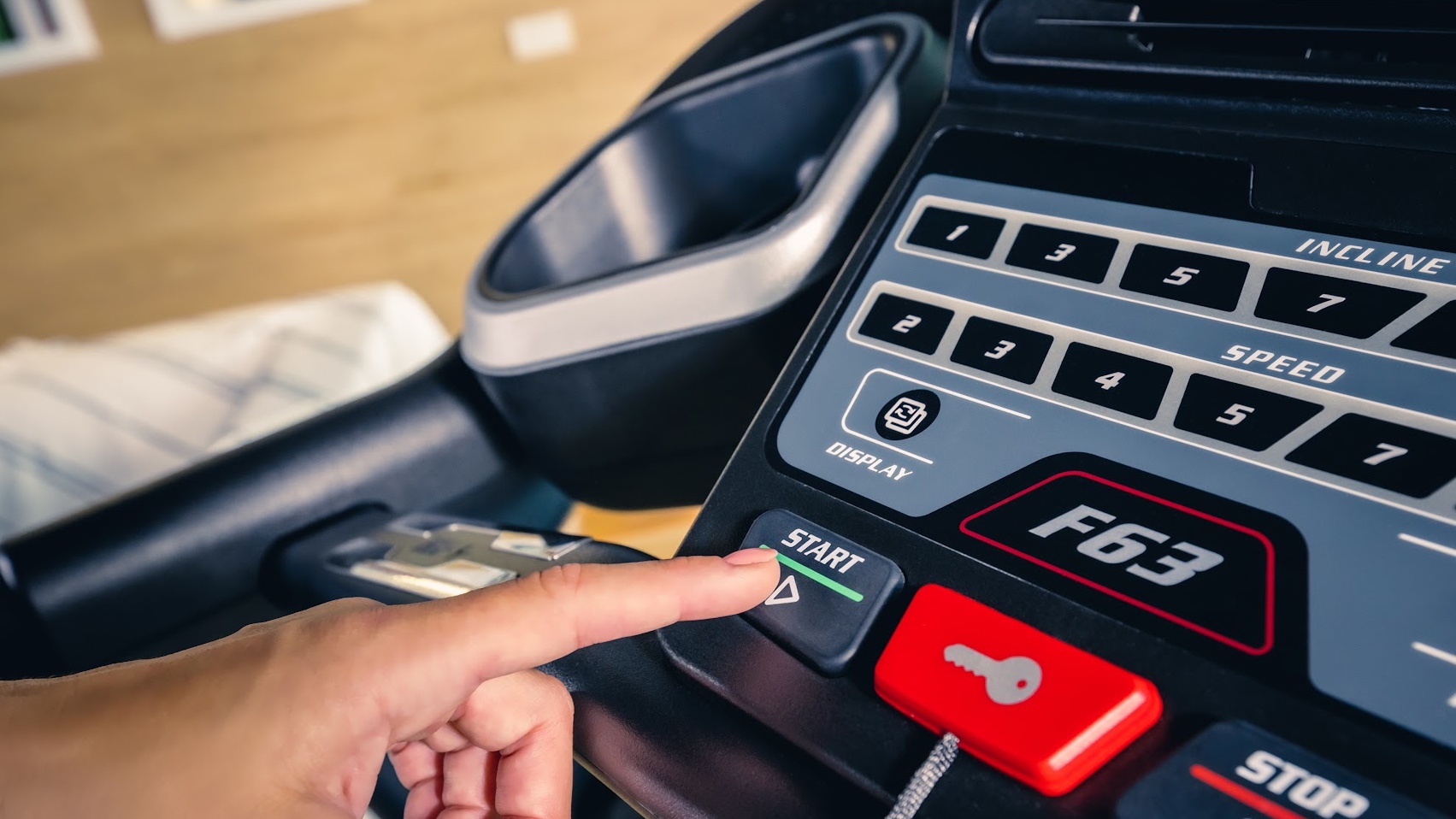
Modern treadmills, like those offered by , collect an impressive array of workout metrics automatically. Time, distance, speed, incline levels, calories burned, and heart rate readings create a detailed picture of each training session. This information is far more than just numbers on a screen. It's also actionable intelligence that reveals patterns, identifies strengths, and highlights areas for improvement.
The power lies in understanding exactly what each metric represents. Distance and time data show endurance progression over weeks and months. Speed measurements track improvements in cardiovascular efficiency. Heart rate readings indicate workout intensity and recovery patterns. While calorie estimates should be viewed as relative comparisons rather than absolute values, they can definitely provide a baseline for gauging workout effectiveness when used consistently.
Effective goal setting starts with baseline measurements. Instead of vague objectives like "get in better shape," data enables specific targets: increase weekly distance by 10%, maintain target heart rate for 30 minutes, or complete a 5K in under 25 minutes. These measurable goals provide clear direction and motivation.
Historical data reveals realistic progression timelines. Analyzing past performance shows how quickly improvements typically occur, preventing unrealistic expectations that lead to frustration. Gradual increases in distance, speed, or duration come down to strategic decisions rather than random changes.
Weekly and monthly data trends reveal progress that daily variations might obscure. A runner might feel discouraged by one slow workout, but monthly averages show consistent improvement. This long-term perspective maintains motivation during temporary setbacks and celebrates genuine achievements.
Progress patterns also identify training plateaus before they become problematic. When improvements stagnate for several weeks, it's time to adjust workout intensity, incorporate new challenges, or modify training schedules. Data eliminates guesswork - and adds focus.
Analyzing workout data reveals which training approaches produce the best results. Some individuals respond better to longer, moderate-intensity sessions, while others thrive with shorter, high-intensity workouts. Data highlights exactly which.
Recovery patterns will also emerge through consistent tracking. Monitoring how heart rate, speed, and perceived exertion change over time indicates when rest days are needed or when it's safe to increase training intensity. This personalized approach prevents overtraining while maximizing progress.
Heart rate monitoring turns workout targets from vague to precise. The formula of 220 minus age is a commonly used starting point for estimating maximum heart rate, though it has known limitations and may not be accurate for all individuals. Target heart rate zones typically range from 50-85% of this estimated maximum, depending on fitness goals.
As a general guideline, fat-burning zones typically fall between 60-70% of maximum heart rate, while cardiovascular conditioning occurs at 70-80%. These zones serve as helpful guidelines, but individual variations exist. Data tracking reveals individual variations in these ranges and optimal training intensities.
Heart rate data prevents the common mistakes of working too hard or not hard enough. Consistently elevated resting heart rates indicate overtraining, while workouts that never elevate heart rate sufficiently suggest undertraining. Both scenarios limit progress and can lead to frustration.
Recovery heart rate (how quickly your pulse returns to normal after intense intervals) provides valuable fitness indicators. Improved cardiovascular condition shows through faster recovery times, creating another measurable progress metric beyond speed or distance improvements.
Endurance improvements show most clearly through distance and time data. Gradually increasing your workout duration while maintaining a consistent pace demonstrates cardiovascular adaptation. This progression can follow the 10% rule - increasing weekly totals by no more than 10% as a guideline to help prevent injury and overtraining.
Time-based goals often prove more sustainable than distance targets for beginners. Building up to 30, 45, or 60-minute continuous sessions creates solid endurance foundations before focusing on speed or distance improvements. Data tracking makes these progressions both visible and motivating.
Advanced endurance training incorporates speed and incline variations that data tracking optimizes. Gradual increases in average pace or maximum sustainable speeds indicate improving efficiency and cardiovascular capacity. These improvements might be subtle day-to-day, but get clearer through weekly or monthly data analysis.
And incline training adds another dimension to endurance development. Data shows how incline changes affect pace, heart rate, and perceived exertion. This information guides decisions about hill training frequency and intensity for specific endurance goals.
Advanced fitness applications turn basic treadmill data into detailed training analysis. Apps like Strava or MapMyFitness monitor multiple metrics simultaneously, providing real-time feedback and detailed post-workout analytics. These tools identify trends, suggest training modifications, and track long-term progress across multiple fitness dimensions.
Integration between treadmills and fitness apps leads to seamless data collection and analysis. Workout information automatically syncs to smartphone apps, eliminating manual data entry while providing rich analytical capabilities that basic treadmill displays can't match.
AI technology, such as that used by Ochy, analyzes running form using your phone's camera to provide feedback on stride length, foot placement, and running efficiency. This technology identifies biomechanical issues that could lead to injury while suggesting improvements for better performance.
Form analysis data reveals efficiency improvements that complement traditional fitness metrics. Better running mechanics often lead to faster times, reduced fatigue, and lower injury risk.
The journey from casual treadmill use to data-driven fitness transformation starts with consistent tracking. Begin by recording basic metrics (time, distance, and average heart rate) for every workout. This foundation data provides baselines for future improvements and reveals initial patterns in fitness performance.
Choose tracking methods that fit your personal preferences and technical comfort levels. Simple workout logs work as effectively as sophisticated apps for basic data collection. The key is consistency rather than complexity, building sustainable habits that support long-term fitness goals.
The difference between hoping for improvements and achieving them often comes down to paying attention to what the data reveals. offer features designed to provide actionable fitness insights.


