First-time deer hunters often make costly gear mistakes by buying unnecessary equipment while overlooking crucial safety basics. Did you know blaze orange requirements vary from 144 to 500 square inches depending on your state? Here’s what you actually need versus what’s just marketing hype.
Starting your first deer hunt can feel overwhelming when faced with endless gear lists and conflicting advice. The key to success lies in focusing on what truly matters: safety, legal compliance, and comfort in the field. Building a solid foundation with required items creates confidence and enjoyment, while avoiding the common trap of over-purchasing gadgets before understanding the fundamentals.
Before considering any other equipment, new hunters must secure the legal requirements and safety basics. Hunting licenses, deer tags, and hunter education cards should be obtained well before opening day and kept in waterproof storage. Requirements vary by state and can be purchased online or at local retailers. Each state has specific requirements, so checking local regulations prevents costly mistakes and legal issues.
The weapon choice depends on state laws and hunting areas, but most beginners succeed with a bolt-action rifle or shotgun paired with appropriate ammunition. Bow hunters need properly tuned equipment and practice time. Whatever weapon system is chosen, familiarity through consistent practice sessions matters far more than expensive upgrades.
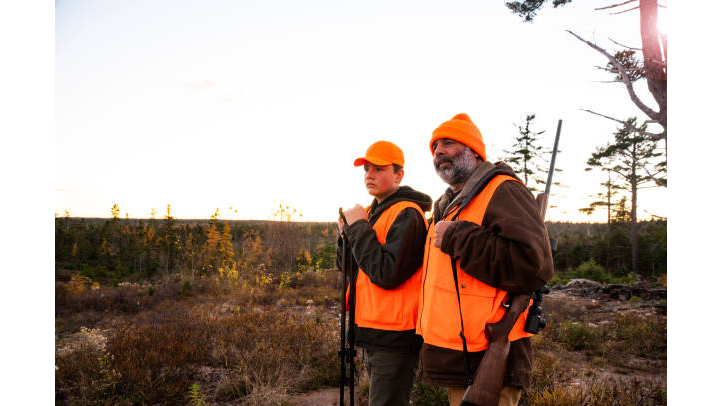
Blaze orange or pink clothing serves as a critical safety requirement during firearm seasons, though specific requirements vary significantly across regions. State hunting regulations specify exact blaze orange or pink requirements, which range from 144 to 500 square inches, while some states have no requirements, though it is still encouraged. This visibility requirement protects hunters from dangerous misidentification by other hunters in the field.
Effective deer hunting clothing systems prioritize function over fashion. The layering approach starts with moisture-wicking base layers made from merino wool or synthetic materials. These materials pull sweat away from skin, preventing the chill that comes from damp cotton clothing.
Insulating mid-layers like fleece or wool provide warmth without bulk. The outer layer should offer wind and water protection while remaining quiet during movement. Avoid cotton materials entirely - they retain moisture and lose insulating properties when wet, creating dangerous hypothermia risks.
Waterproof, insulated boots rank among the most important gear investments for comfort and safety. Wet, cold feet end hunts early and create miserable experiences. Quality hunting boots should be broken in well before hunting season to prevent blisters during long sits or walks.
Wool or synthetic socks work with proper boots to maintain warmth and dryness. Pack extra socks for multi-day hunts or when crossing water. Cotton socks cause blisters and cold feet - avoid them completely in hunting situations.
State hunting regulations specify exact blaze orange requirements, which vary significantly across regions. Some states require specific amounts of hunter orange, while others specify different amounts or allow hunter pink alternatives. Research local laws thoroughly and carry more than the minimum requirement for maximum visibility and safety.
The timing of blaze orange requirements also varies. Archery seasons often have different rules than firearm seasons. Understanding these distinctions prevents violations and keeps hunters visible during appropriate times.
A well-organized first-aid kit addresses the most common hunting injuries: cuts, scrapes, and blisters. Basic supplies include bandages, gauze pads, antiseptic wipes, medical tape, pain relievers, tweezers, CAT tourniquet, SAM splint, QuikClot, survival blanket, antibiotic cream, burn cream or gel, and personal medications. Mini compression bandages provide extra bleeding control for more serious cuts that might occur during field dressing or equipment handling.
Keep first-aid supplies in waterproof containers and know how to use each item. An emergency space blanket weighs almost nothing but provides crucial warmth if someone becomes injured and needs to wait for help. Consider basic first-aid training before hunting season to build confidence in emergency situations.
Headlamps or quality flashlights enable safe travel in pre-dawn darkness and after sunset. Pack extra batteries and consider backup lighting options. LED lights provide long battery life and reliable performance in cold weather conditions.
Navigation tools prevent dangerous situations when hunters become disoriented. Smartphone apps with offline maps work well as primary navigation, but carrying a basic compass, printed map, GPS units, provides backup when electronics fail. Deer Hunting Strategies emphasizes that proper preparation with navigation tools builds confidence for new hunters in unfamiliar territory.
Sharp hunting knives serve as the most critical tool for processing harvested deer. A quality fixed-blade or folding knife with a 4-6 inch blade handles most field dressing tasks effectively. Keep knives sharp through regular maintenance - dull blades create dangerous situations and poor cuts.
Disposable gloves protect hands during field dressing and reduce disease transmission risks. Pack several pairs in case of tears. Game processing kits often include bone saws, skinning knives, and specialized tools, but beginners can start with a single quality knife and add tools as experience grows.
Adequate hydration and nutrition maintain focus and energy during long hunting sessions. A good rule of thumb is to drink at least half of your body weight in water daily, and electrolytes can help replenish salts lost through sweat. Dense, high-energy foods like nuts, energy bars, and jerky provide sustained energy without requiring preparation.
A quality day pack or hunting backpack organizes gear and distributes weight comfortably. Pack organization matters - frequently needed items should be easily accessible, while emergency supplies can stay in deeper pockets. Consider pack capacity for carrying out meat if successful.
Binoculars allow quiet observation and identification of game at a distance. Quality optics reveal details that naked eyes miss, especially in low-light conditions common during prime hunting times. Choose binoculars with appropriate magnification. Typically 8x42 is better for wooded areas, while 10x42 or 12x42 are better for open areas.
Rangefinders help beginners make ethical shots by providing accurate distance measurements. Many new hunters struggle with distance estimation, leading to missed shots or poor bullet placement. While not required, rangefinders build confidence and improve shot success rates significantly.
Scent control sprays and soaps may help mask human odor, though proper wind awareness matters more than any product. Use scent control products conservatively while learning - they cannot overcome poor positioning or bad wind conditions.
Deer calls and scents can attract game when used properly, but beginners should use them sparingly. Overcalling educates deer and makes them more wary. Focus on learning natural deer behavior before relying on calls to attract game.
The most successful new hunters prioritize shooting practice over gear accumulation. Regular practice from realistic field positions - sitting, kneeling, using shooting sticks - builds the skills that matter most for clean, ethical kills. Confirm rifle zero or bow sight well before hunting season, not the day before opening day.
A simple, well-practiced setup outperforms a backpack full of unused gadgets every time. Master wind awareness, quiet movement, and patience before investing in advanced equipment. These fundamental skills determine hunting success far more than expensive gear.
Start with required items and add optional equipment gradually as experience and budget allow. This approach builds competence systematically while avoiding the overwhelm that comes from too much new equipment at once. Focus on safety, legality, and comfort first - everything else can wait until these basics become second nature.
Ready to start planning your first successful deer hunt with expert guidance and proven strategies from Deer Hunting Strategies?


