Millions struggle with chronic knee pain, cycling through medications and considering surgery—but a family medicine physician reveals how acoustic wave therapy penetrates deeper than traditional treatments, with most patients seeing results in just 8-10 sessions.
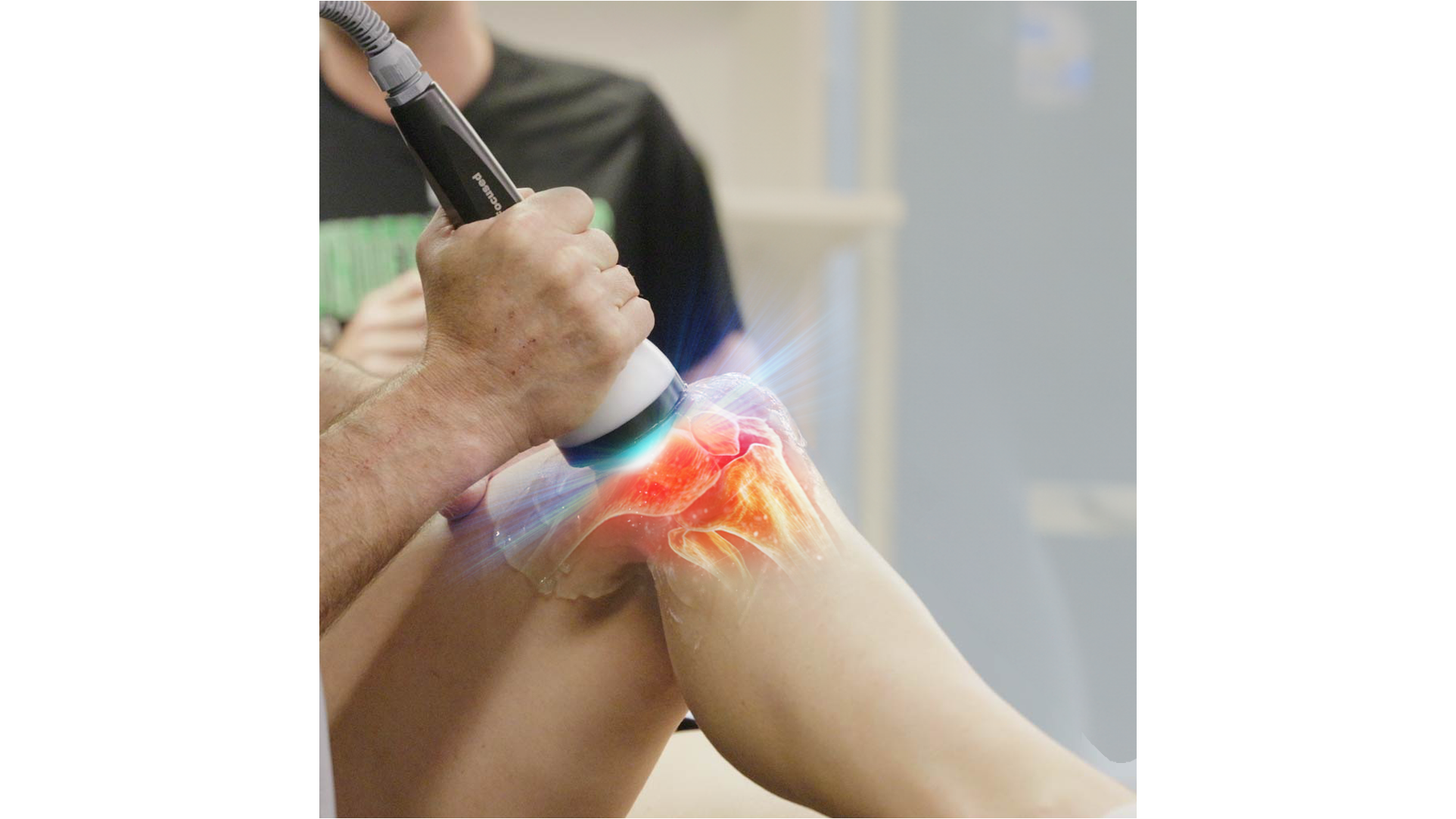
Chronic knee pain affects millions of people, often leading them down a path of temporary fixes, invasive surgeries, or dependency on pain medications. However, a breakthrough in acoustic wave therapy is changing how family medicine physicians approach knee pain treatment, offering hope for those seeking effective, non-invasive relief.
Acoustic wave therapy, also known as shockwave therapy, represents a significant advancement in treating musculoskeletal conditions without surgery or medications. This treatment uses high-frequency sound waves that penetrate deeply into injured tissue, targeting the root causes of knee pain rather than merely masking symptoms. Unfortunately there is some confusion with the term shockwave. StemWave is the most powerful and deepest penetrating energy wave under the umbrella term of shockwave. Originally developed as technolgy to break up kidney stones, the modern orthopedic applications use much smaller amounts of energy to minimize pain yet these energy waves are still much more powerful in effect than other forms of "shockwave" such as radial waves.
The therapy works by delivering controlled acoustic pulses directly to damaged areas within the knee joint. These sound waves create mechanical stress that triggers the body's natural repair mechanisms, effectively "waking up" dormant healing processes that may have stalled due to chronic inflammation or poor circulation. Learn more about how this non-invasive approach is revolutionizing knee pain treatment.
Unlike traditional pain management approaches that often provide temporary relief, acoustic wave therapy addresses underlying tissue damage. The treatment can benefit individuals with various knee conditions, including patellar tendinitis, ligament injuries, meniscus tears, and knee osteoarthritis. Some patients experience rapid pain relief as the therapy begins stimulating the body's natural healing response and reducing inflammation, while others notice improvements gradually over several treatments.
StemWave technology harnesses the power of acoustic waves to create measurable changes at the cellular level. The science behind this treatment involves three primary mechanisms that work together to restore knee function and eliminate pain.
The acoustic waves generated by StemWave create controlled microtrauma within damaged tissue, which may sound counterintuitive but actually serves a crucial purpose. This process activates dormant stem cells and triggers the release of growth factors that had become inactive due to chronic pain conditions. The body responds to these acoustic pulses by initiating a healing cascade that can reverse months or years of tissue deterioration.
Research shows that acoustic wave therapy can "reset" the inflammatory response in chronic conditions where healing has stalled. This mechanism is particularly effective for knee conditions that have persisted despite other treatments, as it provides the biological stimulus needed to restart proper tissue repair.
One of the most significant benefits of StemWave therapy is its ability to dramatically increase blood circulation to treated areas. The acoustic waves cause blood vessels to dilate and promote the formation of new capillaries, a process called neovascularization. This enhanced circulation delivers oxygen and nutrients directly to damaged knee tissues that may have been poorly supplied for months or years.
Improved blood flow also facilitates the removal of metabolic waste products and inflammatory compounds that contribute to ongoing pain. For patients with knee osteoarthritis or other degenerative conditions, this increased circulation can mean the difference between continued deterioration and actual tissue regeneration.
Collagen serves as the building block for healthy cartilage, tendons, and ligaments within the knee joint. StemWave therapy stimulates fibroblasts—the cells responsible for collagen production—to increase their activity significantly. This boost in collagen synthesis is crucial for patients with conditions like meniscus tears or cartilage damage, where structural repair is needed for long-term pain relief.
The therapy also helps organize new collagen fibers in proper alignment, ensuring that repaired tissue maintains optimal strength and flexibility. This organized healing process contributes to sustained improvements rather than temporary fixes.
Clinical experience and research consistently demonstrate that optimal outcomes from StemWave therapy occur when patients complete a full treatment protocol rather than seeking single-session solutions. The recommended 10-12 treatment sessions are based on the biological timeline required for tissue regeneration and repair, though treatment plans are individualized based on each patient's specific condition.
While 10-12 sessions represent the standard protocol, treatment plans are customized based on several factors including the severity of knee damage, duration of symptoms, and individual healing capacity. Patients with acute injuries may respond more quickly, while those with chronic conditions or multiple knee problems may benefit from extended protocols.
Each treatment session builds upon the previous one, creating cumulative effects that compound over time. The spacing between sessions—typically 1-2 times per week—allows tissues to respond to the acoustic stimulation while maintaining momentum in the healing process. Some patients with severely damaged tissue may require occasional maintenance treatments to sustain their improvements.
StemWave treatments are remarkably quick and convenient, typically requiring less than 10 minutes per session. Patients remain fully clothed while a handheld device delivers acoustic waves to targeted areas of the knee. Most people describe the sensation as mild tapping or vibration, with minimal discomfort even in sensitive areas.
The non-invasive nature of the treatment means no recovery time is needed. Patients can return to normal activities immediately after each session, though they may notice some temporary soreness as healing processes activate. Many patients report feeling improvements in pain and mobility within the first few treatments, with continued progress throughout the complete protocol.
StemWave therapy achieves its highest success rates when combined with complementary healing strategies that address lifestyle factors contributing to knee pain. These evidence-based approaches work synergistically with acoustic wave therapy to optimize outcomes and prevent future problems.
"Healing walking" represents a specialized approach to movement that maximizes the benefits of StemWave therapy while protecting recovering knee tissue. This technique focuses on proper gait mechanics, optimal stride length, and strategic timing that promotes circulation without creating additional stress on healing joints.
The walking protocol is designed to complement the biological changes initiated by acoustic wave therapy. By coordinating movement patterns with the body's healing timeline, patients can accelerate recovery while building strength and endurance. This approach differs significantly from generic exercise recommendations, as it considers the specific needs of tissues undergoing acoustic wave treatment.
Nutrition plays a crucial role in supporting the healing processes activated by StemWave therapy. The anti-inflammatory eating approach focuses on foods that provide the building blocks for tissue repair while minimizing dietary sources of inflammation that can interfere with recovery.
Key nutritional strategies include optimizing protein intake for collagen synthesis, incorporating omega-3 fatty acids to support healthy inflammatory responses, and timing nutrient intake to coincide with treatment sessions. This targeted approach helps ensure that the body has the resources needed to maximize the benefits of acoustic wave therapy.
Stem cell activation techniques complement StemWave therapy by optimizing the body's regenerative capacity. These methods include specific lifestyle modifications that have been shown to support stem cell function and availability, creating an optimal environment for tissue repair.
The natural healing enhancement protocol addresses factors like sleep optimization, stress management, and targeted supplementation that support the cellular changes initiated by acoustic wave therapy. When implemented consistently, these strategies can significantly amplify treatment outcomes and promote sustained improvements.
One of the most significant advantages of StemWave therapy is its potential to help patients avoid more invasive interventions while reducing reliance on pain medications that carry risks of dependency or harmful side effects.
Many patients with chronic knee pain find themselves caught in cycles of medication dependency, using increasingly stronger painkillers or anti-inflammatory drugs that provide temporary relief while potentially causing long-term harm. Long-term use of NSAIDs can potentially cause damage to the digestive system, kidneys, and cardiovascular health, though severity varies among individuals.
StemWave therapy addresses pain at its source by healing damaged tissue rather than masking symptoms. As patients progress through their treatment protocol, many find they can reduce or eliminate their reliance on pain medications. This drug-free approach is particularly valuable for individuals concerned about addiction potential or those who have experienced adverse effects from conventional pain management approaches.
Knee replacement surgery, while sometimes necessary, carries significant risks and requires extensive recovery periods that can last months. StemWave therapy offers a compelling alternative that should be considered before pursuing surgical interventions, particularly for patients with moderate knee damage or those who are poor surgical candidates.
The therapy can potentially delay or eliminate the need for surgery by addressing underlying tissue damage and promoting regeneration. Even for patients who may eventually require surgical intervention, StemWave therapy can improve tissue quality and circulation, potentially leading to better surgical outcomes and faster recovery times.
The implementation of StemWave therapy requires expertise in both the technology and the healing protocols that maximize its effectiveness. The treatment begins with a thorough "mapping session" where practitioners assess pain sources and develop individualized treatment plans based on specific knee conditions and patient goals.
During the mapping session, patients receive their first StemWave treatment while practitioners identify the most significant sources of pain and dysfunction. This initial assessment allows for precise targeting of subsequent treatments and helps establish realistic expectations for the healing timeline. The affordable pricing structure makes this advanced therapy accessible to patients who might otherwise face only expensive surgical options or long-term medication costs.
The combination of StemWave technology with proven wellness strategies represents a fundamental shift in knee pain treatment, moving from symptom management to actual healing and tissue restoration. This approach addresses both the immediate need for pain relief and the long-term goal of sustained joint health.
For those seeking effective, non-invasive knee pain relief without the risks of surgery or addictive medications, Mercy Family Health offers StemWave therapy and wholistic pain management solutions.


