If you’ve tried everything for your heel pain with no lasting relief, there’s a reason traditional treatments aren’t working. A family practice doctor reveals how an FDA-listed therapy achieves 80-95% success rates—and the three critical strategies that make it work.
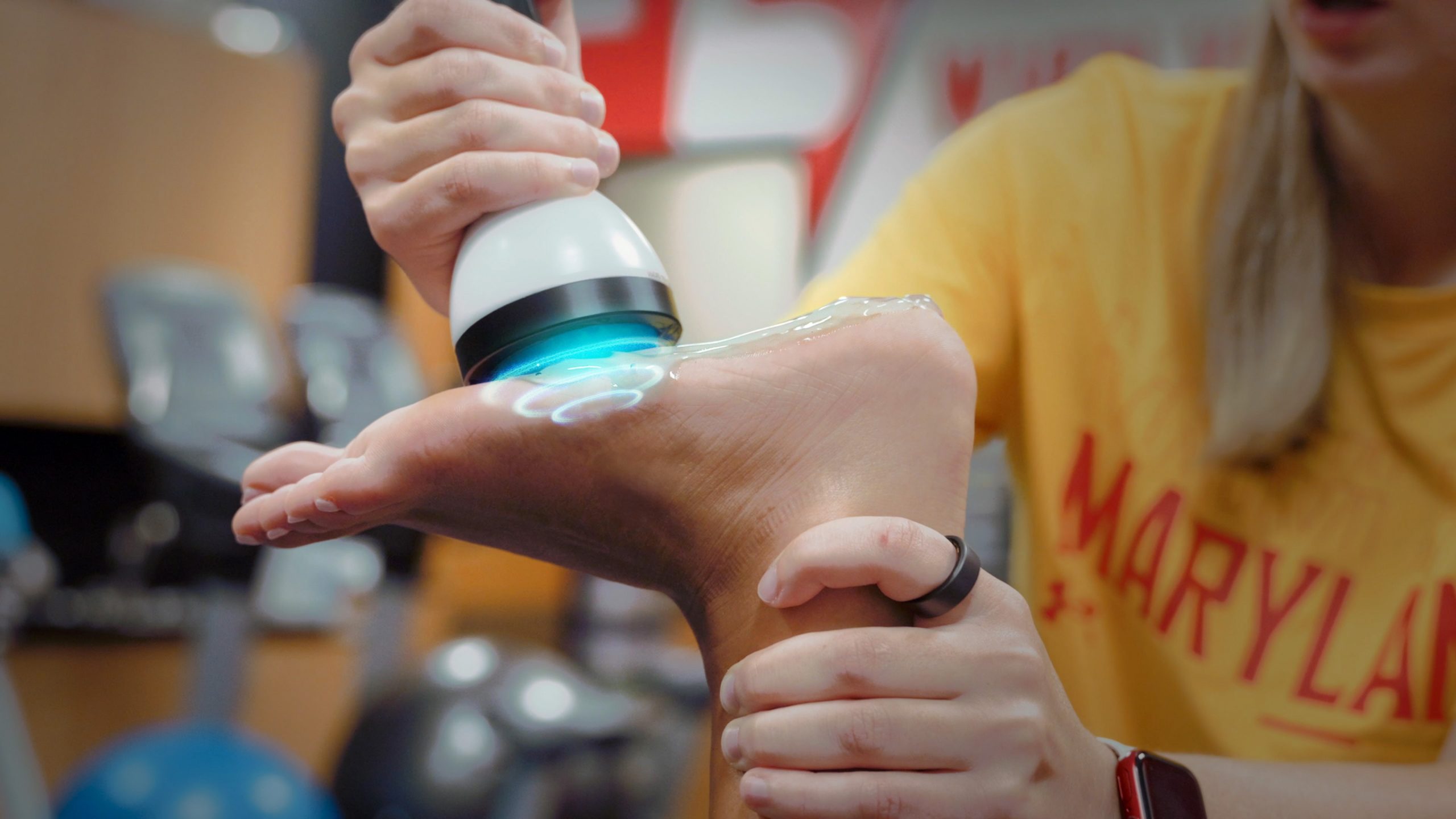
Plantar fasciitis affects millions of people worldwide, causing stabbing heel pain that can transform simple activities like walking into excruciating ordeals. While conventional treatments often provide temporary relief at best, a family practice approach combining advanced acoustic wave therapy with wholistic lifestyle strategies is achieving remarkable success rates for patients who've exhausted traditional options.
StemWave Acoustic Wave Therapy represents a breakthrough in plantar fasciitis treatment, delivering focused acoustic waves that penetrate deeply into damaged tissue. Unlike conventional treatments that merely mask symptoms, this technology addresses the root cause of heel pain by stimulating the body's natural healing processes. Clinical results demonstrate an impressive 80-95% improvement rate among patients who complete the full treatment protocol.
This success rate significantly exceeds many traditional conservative treatments, which typically achieve 60-70% effectiveness in chronic cases that have not responded to initial interventions. The combination of StemWave therapy with complementary healing strategies has proven particularly effective for chronic cases that haven't responded to standard medical interventions. For patients who've struggled with plantar fasciitis for months or years, these results offer genuine hope for lasting relief.
The therapy works by delivering controlled acoustic energy to the plantar fascia, triggering cellular regeneration and increased blood flow to the affected area. This process helps break down scar tissue while promoting the formation of healthy new tissue, addressing the underlying structural damage that causes persistent heel pain.
Traditional plantar fasciitis treatments often focus on symptom management rather than healing the underlying tissue damage. Physical therapy, orthotics, and anti-inflammatory medications can provide temporary relief but may not fully address the root cause of chronic heel pain in all cases. StemWave therapy takes a fundamentally different approach by targeting the damaged tissue at the cellular level.
The key advantage of StemWave therapy lies in its ability to deliver precise acoustic energy directly to the damaged plantar fascia. These focused waves penetrate several centimeters into soft tissue, reaching areas that topical treatments and superficial therapies cannot access. The acoustic energy creates microtrauma in damaged tissue, triggering a healing response that promotes new blood vessel formation and tissue regeneration.
Unlike shock wave therapy used in other medical applications, StemWave delivers controlled, focused energy that maximizes therapeutic benefit while minimizing discomfort. Patients typically experience only mild sensations during treatment, making it well-tolerated even for those with significant pain sensitivity.
The acoustic waves stimulate the release of growth factors and healing proteins that naturally repair damaged tissue. This biological response includes increased production of collagen, the primary structural protein in connective tissue. The therapy also enhances local circulation, bringing needed nutrients and oxygen to the healing area while removing metabolic waste products that can impede recovery.
This natural healing approach offers significant advantages over steroid injections or other interventions that may provide temporary relief but potentially weaken tissue structure over time. By working with the body's inherent repair mechanisms, StemWave therapy promotes sustainable healing that addresses the underlying problem rather than masking symptoms.
StemWave therapy requires no incisions, injections, or anesthesia, making it an attractive option for patients seeking to avoid surgical risks. The FDA has listed this technology for use in treating soft tissue injuries, providing assurance of its safety profile when administered by trained professionals.
Treatment sessions typically last 10-20 minutes, allowing patients to return to normal activities immediately afterward. This convenience factor makes it particularly appealing for busy individuals who cannot afford extended recovery periods associated with surgical interventions.
While StemWave therapy provides the foundation for healing, complementary lifestyle strategies can significantly enhance treatment outcomes. These evidence-based approaches address contributing factors that may perpetuate plantar fasciitis, creating an optimal environment for tissue repair and long-term recovery.
Proper walking mechanics play a crucial role in plantar fasciitis recovery. Many patients unknowingly use gait patterns that place excessive stress on the plantar fascia, perpetuating the injury cycle. The healing walking technique focuses on optimizing foot strike patterns, cadence, and weight distribution to minimize stress on healing tissue.
This approach emphasizes midfoot landing rather than aggressive heel striking, which can jar the plantar fascia and impede healing. Patients learn to maintain shorter, quicker steps that reduce impact forces while promoting more efficient movement patterns. The technique also incorporates proper posture and core engagement to ensure optimal biomechanical alignment throughout the kinetic chain.
Dietary inflammation significantly impacts tissue healing and pain levels. A targeted anti-inflammatory eating plan can accelerate recovery while reducing systemic inflammation that may contribute to chronic pain conditions. Key components include omega-3 rich foods like fatty fish, leafy greens high in magnesium, and antioxidant-rich berries and citrus fruits.
Equally important is avoiding pro-inflammatory foods that can sabotage healing efforts. Processed foods, refined carbohydrates, fried items, and high-fat dairy products promote inflammation that can delay tissue repair and increase pain sensitivity. By eliminating these dietary triggers while emphasizing healing nutrients, patients often experience reduced pain levels and faster recovery times.
Natural stem cell activation techniques help optimize the body's regenerative capacity. These methods include specific movement patterns, breathing exercises, and lifestyle modifications that support stem cell mobilization and activity. Intermittent fasting protocols and targeted supplementation can enhance the body's ability to repair damaged tissue, while cold therapy may help reduce inflammation and pain.
These activation methods work synergistically with StemWave therapy to create an optimal healing environment. By supporting the body's natural regenerative processes, patients often achieve better outcomes and maintain improvements over the long term.
Many patients seeking StemWave therapy have already exhausted conventional treatment options covered by insurance. Physical therapy, orthotics, steroid injections, and other standard interventions may provide temporary relief but often fail to deliver lasting results for chronic cases. This reality leaves patients facing difficult choices about their quality of life and daily functioning.
While StemWave therapy typically requires cash payment since it's not covered by most insurance plans, many patients find the investment worthwhile given the superior success rates compared to traditional treatments. The cost of ongoing conservative treatments, lost productivity, and reduced quality of life often exceeds the expense of completing a full StemWave protocol.
For patients who've spent years managing chronic heel pain with limited success, the opportunity to achieve lasting relief represents significant value beyond mere financial considerations. The ability to return to normal activities, exercise, and work without constant pain provides benefits that extend far beyond the treatment investment.
Clinical outcomes demonstrate the effectiveness of StemWave therapy across diverse patient populations. Success rates remain high across different patient demographics, though earlier intervention may yield faster results in some cases.
Patient testimonials consistently report dramatic improvements in pain levels and functional capacity. Joan, a representative case study, experienced remarkable progress after just four StemWave treatments. She progressed from being unable to walk 100 yards without severe pain to completing 8-mile walks comfortably. This level of improvement reflects the typical patient experience when completing the full treatment protocol.
Most patients report noticeable pain reduction within the first few sessions, with continued improvement throughout the treatment course. Many describe the ability to return to activities they'd abandoned due to heel pain, including exercise, hiking, and prolonged standing or walking required for work.
The standard treatment protocol consists of 8-10 sessions spread over several weeks, allowing time for tissue healing between treatments. This spacing optimizes the cumulative effect of acoustic wave therapy while supporting the natural healing process. Sessions are typically scheduled 3-7 days apart, depending on individual healing response and treatment tolerance.
Each session builds upon previous treatments, with patients often reporting progressive improvement throughout the protocol. The final sessions often focus on consolidating gains and ensuring optimal tissue quality for long-term success. Some patients benefit from periodic maintenance treatments to sustain their improvements, particularly those with severe initial tissue damage.
The journey toward plantar fasciitis relief begins with a detailed mapping session that combines initial treatment with thorough assessment of individual factors contributing to heel pain. This session provides the first StemWave treatment while identifying the most problematic areas requiring focused attention throughout the treatment protocol.
During the mapping session, practitioners evaluate biomechanical factors, lifestyle contributors, and tissue quality to develop a personalized treatment plan. This individualized approach ensures optimal outcomes by addressing each patient's unique combination of contributing factors. The session also provides an opportunity to experience StemWave therapy firsthand and understand the treatment process.
Patients who commit to the full 8-10 session protocol receive detailed instruction in the three bonus healing strategies: healing walking techniques, anti-inflammatory eating plans, and stem cell activation methods. This wholistic approach maximizes treatment effectiveness while providing patients with tools for maintaining their improvements long-term.
For individuals suffering from chronic plantar fasciitis who haven't found lasting relief through conventional treatments, StemWave therapy offers a proven path toward recovery. The combination of advanced acoustic wave technology with supportive lifestyle strategies provides hope for those who've struggled with persistent heel pain.
To learn more about this approach to plantar fasciitis treatment and determine whether you're a candidate for StemWave therapy, visit Mercy Family Health where Dr. Stanley Lang and his team specialize in wholistic pain management solutions.


