Fall’s cooling waters in Dana Point create a feeding frenzy among halibut, calico bass, and yellowtail, but knowing exactly where to launch and which techniques pros use can mean the difference between coming home empty-handed or landing trophy fish.
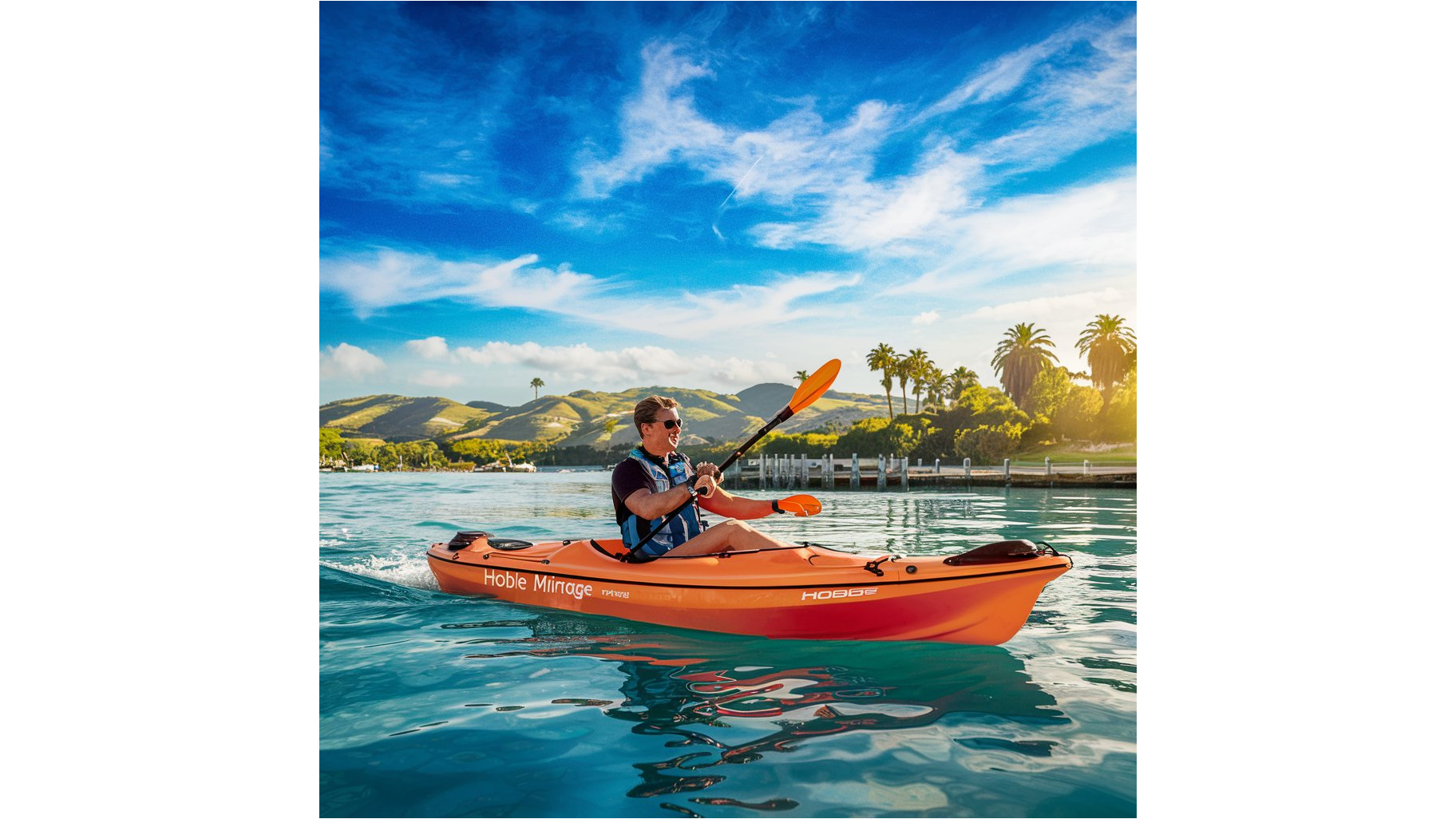
Dana Point is Southern California's premier fall kayak fishing destination, where cooling waters and migrating baitfish create perfect conditions for targeting trophy halibut, aggressive calico bass, and seasonal yellowtail. Local professionals have identified specific launch points and proven techniques that consistently outperform standard approaches during this prime season.
Fall transforms Dana Point's waters into a kayak angler's paradise. As ocean temperatures drop from summer highs, fish behavior shifts dramatically. Cooler water can hold more oxygen than warmer water, potentially making fish more active and aggressive in their feeding patterns. This seasonal change triggers a feeding frenzy as species prepare for the winter months.
The temperature transition also brings nutrient-rich upwelling that attracts baitfish closer to shore. Schools of anchovies, sardines, and squid move into shallower waters, drawing predatory fish within easy kayak range. Professional anglers consistently report their best catches during this transition period.
Wind patterns become more favorable during fall months. Morning conditions typically offer glassy water surfaces ideal for kayak launches, while afternoon breezes remain manageable compared to summer's intense thermal winds. These stable conditions extend fishing windows and improve safety for kayak anglers working Dana Point's productive waters.
Dana Point Harbor serves as Southern California's premier kayaking destination, offering protected launch conditions and immediate access to diverse fishing opportunities. The harbor's inner areas provide excellent halibut hunting grounds, particularly along the sandy flats near the boat channels. Baby Beach offers quick access to these productive zones.
Calico bass thrive around the harbor's extensive rock jetties and man-made structures. Fall conditions concentrate these fish in predictable locations, making them easier targets for kayak anglers. The harbor's calm waters make it perfect for anglers testing new equipment or techniques. Stable fishing platforms like the ProAngler 14 with 360XR Drive systems excel in these varied conditions, offering the maneuverability needed to work tight structures effectively.
Salt Creek Beach consistently produces quality halibut throughout the fall months. The beach's gradually sloping sandy bottom creates an ideal habitat for these flatfish, while the protected launch area allows for easy kayak deployment even when surf conditions are marginal elsewhere.
Local professionals target the 15-30 foot depth range just outside the surf line. Drift fishing with heavy sinkers (6-8 oz) and small hooks proves most effective for halibut, allowing baits to stay in the strike zone longer. The area's consistent bottom composition makes it perfect for beginners learning halibut techniques while still offering trophy potential for experienced anglers.
Doheny State Beach offers the most user-friendly kayak launch in the Dana Point area. The protected lagoon provides calm water for gear preparation and safe entry, while parking and restroom facilities make it convenient for full-day fishing trips.
The beach's creek mouth attracts baitfish, which in turn draws predatory species. Fall brings increased activity as fish follow baitfish migrations. The area's mix of sandy bottom and scattered structure provides diverse fishing opportunities within a compact area, making it ideal for testing different techniques during a single outing.
Baby Beach and the Embarcadero provide access to Dana Point's deeper water fishing opportunities. These launch points offer the shortest paddle to 50+ foot depths where larger yellowtail and white seabass cruise during fall migrations.
The Embarcadero's harbor launch puts kayakers directly into productive areas without long paddles through shallow water. This access becomes crucial when targeting species that prefer deeper water or when weather windows are limited. Anglers use these launches when chasing migrating schools that move through deeper channels during fall months.
Fall halibut fishing in Dana Point waters requires specific techniques and gear setups. Drift rigs, as mentioned earlier, prove most effective, allowing baits to maintain contact with the bottom while covering maximum ground. Professional anglers recommend 6-8 ounce weights to maintain bottom contact in current and wind.
Live anchovies and sardines produce consistently when available, but frozen baits like squid strips and small mackerel chunks work equally well. The key lies in presentation - baits must appear natural while drifting along the bottom. Target the 20-40 foot depth range where halibut ambush prey from their sandy hideouts.
Calico bass become increasingly aggressive as fall temperatures cool. These fish concentrate around kelp beds and rocky structures, making them ideal targets for kayak anglers who can maneuver into tight spaces larger boats cannot reach.
Swimbaits and soft plastics rigged on jigheads excel in kelp bed fishing. Work baits primarily vertically through the kelp canopy, allowing them to flutter down through openings where bass wait to ambush prey. Fall bass often suspend mid-water column, so vary retrieve depths until fish reveal their preferred zone.
Fall yellowtail migrations bring these powerful fish within kayak range of Dana Point. Schools typically move through deeper water channels, following baitfish concentrations. Professional anglers watch for bird activity and surface disturbances that indicate feeding yellowtail below.
Iron jigs and live bait both produce when yellowtail are located. Fast retrieves can trigger reaction strikes from aggressive fish, while slower presentations work better when fish are more selective. The challenge lies in staying with moving schools - successful kayak anglers must read water conditions and fish behavior to predict school movements.
Fall fishing success in Dana Point waters depends heavily on understanding tidal movements and temperature patterns. Incoming tides can activate feeding behavior, as moving water brings fresh oxygen and baitfish into fishing areas. Professional anglers time their trips to fish the two hours before and after tide changes for maximum effectiveness.
Water temperature monitoring reveals fish location patterns. Cooler water concentrates fish in predictable areas, while temperature breaks create feeding zones. Use a digital thermometer to identify these productive zones - even 2-3 degree differences can mark the boundary between empty water and active fish.
Fall's active fish require strategic bait selection to maximize success. Live anchovies and sardines produce consistently across multiple species when available. However, frozen options like squid strips, mackerel chunks, and sardine fillets work equally well when presented properly.
Artificial lures become increasingly effective as fish become more aggressive. Swimbaits in natural baitfish colors, iron jigs in blue and white patterns, and soft plastic grubs all produce when matched to current conditions. Professional anglers carry multiple options and switch frequently until fish reveal their preferences.
Fall weather patterns in Southern California can change rapidly, making pre-trip planning essential. Check marine forecasts at least 12 hours before launching, paying special attention to wind predictions and small craft advisories. Morning conditions often remain calm, but afternoon thermal winds can create challenging return trips.
Tide monitoring becomes critical for both safety and fishing success. Extreme low tides can expose rocks and create hazardous conditions near launch areas, while high tides may eliminate productive shallow water fishing zones. Professional anglers use tide apps to plan optimal launch and return times.
Fall's cooling water temperatures require upgraded safety gear. Wetsuits become highly recommended as water temperatures drop below 65 degrees, providing critical protection against hypothermia if capsizing occurs. Even experienced kayakers should wear appropriate thermal protection during fall months.
Emergency signaling devices gain importance as daylight hours shorten and fewer recreational boaters patrol the waters. Waterproof VHF radios, signal mirrors, and emergency whistles provide communication options if assistance becomes necessary. Professional guides always carry multiple signaling devices and file float plans with reliable contacts.
Fall kayak fishing in Dana Point offers some of Southern California's most productive and enjoyable angling opportunities. The combination of cooling waters, active fish, and favorable weather conditions creates ideal circumstances for both novice and experienced kayak anglers.
Success requires understanding local conditions, using proper techniques, and maintaining appropriate safety standards. The launch locations, target species, and proven methods outlined in this guide provide the foundation for memorable fall fishing adventures.
For kayak anglers ready to experience Dana Point's premier fall fishing opportunities, look for expert guidance and quality equipment to make every trip successful.


