Getting stranded with a flat tyre costs UK drivers £80-120 a pop for mobile services, but what if there’s a more affordable solution that works 82% of the time? Here’s what most drivers don’t know about emergency repair kit limitations and when they actually work.
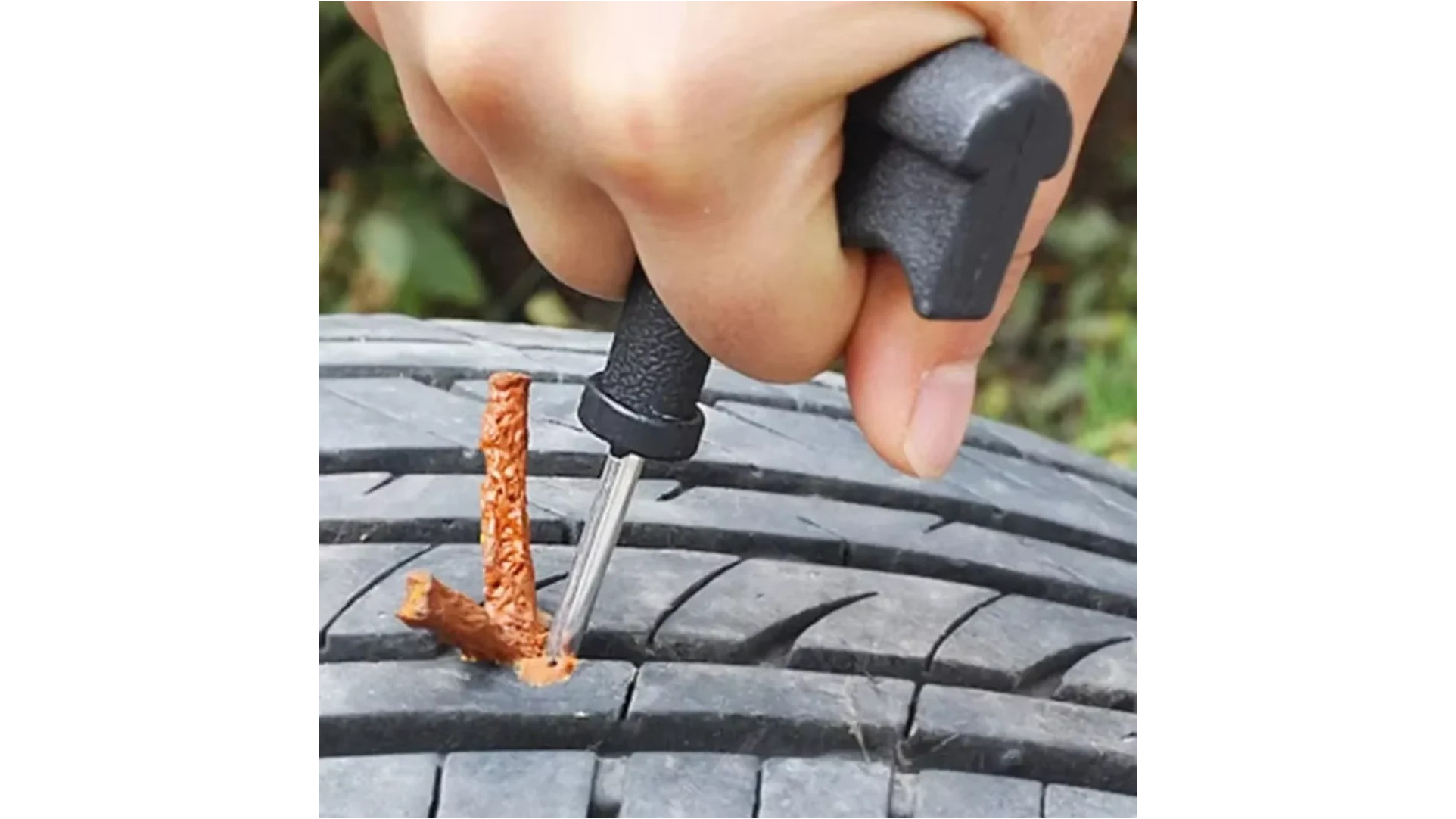
British motorists face an ongoing battle with unexpected tyre punctures, turning routine journeys into roadside emergencies. Understanding when emergency repair solutions work (and their limitations) can make all the difference between a minor inconvenience and a costly breakdown experience.
UK drivers encounter millions of car punctures annually on British roads - it happens all the time. Sharp debris scattered across motorways, deteriorating road surfaces, and unpredictable weather conditions create a perfect storm for tyre emergencies. Compact car owners particularly struggle with these incidents, as smaller vehicles often lack space for full-sized spare tyres, which is why emergency repair solutions are increasingly valuable for maintaining mobility during unexpected breakdowns.
Construction debris, discarded nails, and metal fragments create the most frequent puncture scenarios for UK drivers. These sharp objects penetrate the tyre tread, causing immediate deflation or slow leaks depending on the size and angle of penetration. Normal punctures cause rapid air loss, whilst slow punctures lead to gradual deflation due to small holes or damaged valves that drivers might not notice immediately.
Britain's notorious pothole problem goes way beyond simple inconvenience. Potholes can damage tyres and suspension simultaneously, leading to punctures and dangerous blowouts. Any significant impact against kerbs or road defects can compromise tyre integrity, creating structural damage that even emergency repair kits can't fix. Driving with under-inflated tyres increases the risk of wheel rim damage and sidewall wear, compounding these impact-related problems.
Britain's variable climate leads to unique challenges for tyre maintenance. Extreme temperature fluctuations cause air expansion and contraction within tyres, leading to pressure variations that can stress tyre structures. Cold weather contracts air, reducing pressure, whilst sudden temperature increases can cause over-inflation and potential rupture. Tyre pressure for compact cars typically ranges from 2.2 to 2.5 BAR on the front axle, though drivers should consult their vehicle manual or door sticker for precise values specific to their car, tyre size, and load requirements.
Valve stem corrosion and tyre bead leaks are subtle, but persistent deflation causes. These issues develop gradually, causing slow air loss that drivers often attribute to normal pressure reduction. Leaking air from the tyre bead area where rubber meets the wheel rim creates particularly challenging scenarios - especially since traditional emergency patches can't address these structural seal failures.
UK law mandates strict requirements for tyre repairs, emphasising safety over convenience. DIY tyre repair kits serve as temporary fixes only, with professional assessment always recommended before resuming normal driving. These emergency solutions provide mobility to reach proper repair facilities - they're not meant as permanent fixes for continued use.
British Standard BS AU 159 strictly defines acceptable repair locations and methods for tyre safety. Tyre repairs are only permissible within the central 60-70% of the tyre tread, excluding sidewalls and shoulder areas completely. Professional repairs must meet stringent requirements, whilst emergency kits provide interim solutions until proper assessment occurs. These regulations protect drivers from unsafe repair attempts that could lead to catastrophic failures.
Financial considerations significantly influence repair decisions during roadside emergencies. Mobile tyre fitting services across the UK average £80-120 per callout, with 24/7 availability and response times averaging 30-45 minutes. Emergency repair kits cost £15-40 initially but provide multiple uses - making them cost-effective alternatives for drivers experiencing frequent punctures. However, professional services offer solutions that include new tyres when repairs are impossible - whilst kits only address specific puncture types.
Emergency repair kits achieve the best results under specific circumstances that many UK drivers encounter regularly. Small punctures in the central tread area from nails or screws respond well to plug-and-seal combinations. Clean puncture holes without torn edges allow proper sealing, whilst adequate remaining tyre pressure enables effective sealant distribution. Temperature conditions above freezing improve sealant flow and adhesion, making spring and summer repairs more reliable than winter emergency fixes.
Sidewall punctures, large tears, and structural damage exceed emergency kit capabilities completely. An AA survey indicated that 82% of drivers prefer spare wheels over tyre repair kits due to concerns about pothole damage, highlighting awareness of repair limitations. Incorrect tyre pressure can lead to longer braking distances, reduced fuel economy, and increased tyre wear, making proper pressure restoration vital even after successful emergency repairs.
Emergency preparedness requires balancing practicality with safety considerations for UK compact car owners. Effective emergency repair kits provide mobility during puncture incidents, enabling drivers to reach professional repair facilities safely. Understanding these tools' capabilities and limitations ensures appropriate usage whilst maintaining road safety standards.
Emergency spare tyres offer alternatives but require storage space and regular maintenance, making compact repair solutions increasingly attractive for modern vehicles with limited boot space.


