Whether seeking a modern look or restoring a traditional architectural exterior, homes can make an impact with statement features. Discover how to use metal to add highlights and value to the property.
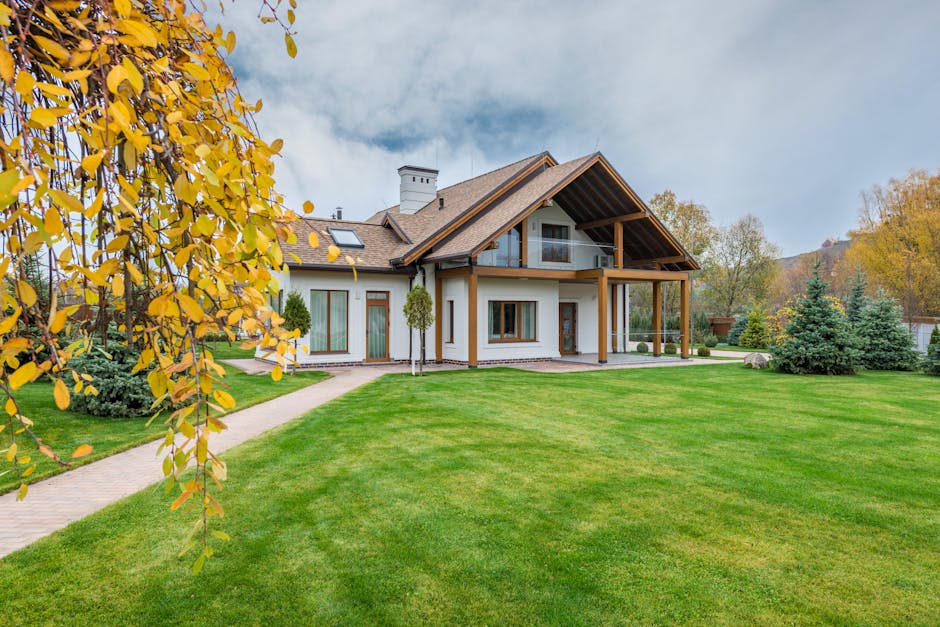
Transforming a home's exterior doesn't require a complete overhaul. Strategic material choices, particularly metal accents, can improve your property's aesthetic appeal and create that coveted "wow factor" that catches every passerby's attention. Modern homeowners are finding that thoughtfully placed metalwork brings sophistication and contemporary flair to any architectural style.
Metal has evolved far beyond its industrial origins to become a cornerstone of contemporary exterior design. Today's metal fabrication techniques allow for stunning decorative elements that add visual interest while maintaining durability. Copper, steel, and aluminum finishes introduce distinctive colors and sophisticated sheen to home exteriors, creating an upscale appearance that stands out in any neighborhood. These finishes have proven effective in both residential and commercial applications, with copper developing natural patina over time and steel offering long-lasting durability.
The versatility of metal makes it suitable for both modern minimalist designs and traditional architectural styles. Whether incorporated as subtle accent pieces or bold statement features, metal elements provide the perfect balance of form and function. Custom metal fabrication specialists help homeowners design and create unique metalwork that perfectly complements their home's existing aesthetic while adding distinctive character.
Historic homes often feature original metal elements that have lost their luster over time. Restoring these architectural features through professional metal fabrication not only preserves the home's character but can dramatically improve its visual appeal. Custom metal craftsmen can replicate intricate, period-specific metalwork, preserving the home's original charm while incorporating modern touches for improved functionality and longevity. For example, Victorian-era homes often featured ornate iron railings and decorative brackets that can be faithfully reproduced using modern techniques while adding contemporary protective coatings.
The key to successful metal integration lies in strategic placement that complements rather than overwhelms your home's design. Thoughtful applications create focal points that guide the eye and establish a cohesive exterior aesthetic. Here's just some of the ways that homeowners can incorporate metal in their exterior design plans:
Your entrance sets the tone for your entire property, and custom metal gates and fences provide both security and style. Modern fabrication techniques enable creation of everything from ornate wrought iron gates to sleek minimalist steel panels. A well-designed metal entrance incorporating stone and wood elements can transform your home's approach, creating a luxurious and welcoming atmosphere that immediately improves curb appeal.
Exterior wall art adds ornamental flair to patios, entryways, and garden areas. Metal sculptures and decorative panels create captivating focal points that improve the natural beauty of outdoor spaces. Custom metal wall art allows for intricate designs ranging from abstract patterns to nature-inspired motifs, ensuring each piece reflects the homeowner's personal style while withstanding outdoor conditions.
Metal planters create an appealing contrast by juxtaposing the softness of flowers and greenery with industrial-strength materials. These functional art pieces work particularly well in modern and contemporary settings, where their clean lines and geometric forms complement architectural elements. The durability of metal planters ensures they maintain their appearance through seasonal changes while providing excellent growing conditions for plants.
Roofline details like finials and dormers add architectural interest that draws the eye upward. Custom metal dormers, finials, and cupolas serve both functional and aesthetic purposes, providing ventilation or weather protection while creating distinctive visual elements. These features work particularly well on traditional homes where they can replicate historical details or add contemporary flair to classic designs.
Beyond decorative applications, structural metal elements can fundamentally transform your home's appearance while providing practical benefits.
Metal siding panels have become increasingly popular among homeowners seeking modern, clean, and bold exterior finishes. Aluminum and steel panels offer polished, durable, and weather-resistant qualities that make them ideal for contemporary architecture. While these materials require professional installation and may need periodic maintenance to prevent corrosion in coastal areas, they increase property value while providing low-maintenance exterior solutions that maintain their appearance for decades.
Metal roofing accents made from aluminum, steel, or copper add character and charm while providing superior protection against the elements. These materials excel in harsh weather conditions and can complement various architectural styles. Custom metal roofing elements improve energy efficiency by reflecting solar heat in summer months, reducing cooling costs by up to 25%, and providing excellent insulation properties that help maintain consistent indoor temperatures year-round.
Metal railings offer both safety and style, improving your home's visual appeal while providing necessary security features. Modern fabrication techniques allow for creative designs that range from simple geometric patterns to elaborate artistic expressions. These functional elements can unify different architectural features while establishing consistent design themes throughout the property.
Successful metal accent integration requires careful consideration of material combinations, finishes, and scale to achieve optimal visual impact.
Combining metal siding panels with wood, glass, or stone creates ultra-modern, high-contrast facades that add warmth and personality. This approach prevents metal elements from appearing cold or industrial while maintaining their contemporary appeal. The contrast between hard metal surfaces and organic textures creates visual interest that improves architectural depth and complexity. For instance, steel panels paired with natural stone create a striking balance where the stone provides earthy warmth while the metal contributes sleek modernity.
Metal finishes should harmonize with a home's existing color palette and architectural style. Powder coating, galvanizing, and patina treatments offer extensive customization options that ensure metal elements integrate seamlessly with the design vision. These protective finishes also provide long-term durability and resistance to environmental factors.
Proper scaling ensures metal accents improve rather than overwhelm a home's proportions. Large properties can accommodate bold statement pieces, while smaller homes benefit from subtle accents that add interest without dominating the facade. Professional designers understand how to balance metal elements with existing architectural features for optimal visual harmony.
The most successful exterior designs incorporate multiple materials that work together to create cohesive and visually compelling facades. Stone provides natural texture and timeless appeal, wood adds warmth and organic character, while metal contributes contemporary sophistication and structural strength. This tri-material approach works equally well for traditional homes seeking modern updates and contemporary designs requiring visual warmth.
The combination of these materials allows homeowners to achieve distinctive exteriors that reflect personal style while maintaining broad appeal for future resale value. Each material contributes unique properties that complement the others - stone offers thermal mass and natural beauty, wood provides insulation and warmth, while metal delivers durability and modern aesthetics - creating exterior designs that are both beautiful and functional for long-term enjoyment.


