Women around the world struggle with age-related muscle loss, which can result in a slew of health issues. But experts say that regular strength training is something that can slow or even reverse muscle decline.
Women over the age of 50 face a critical convergence of health challenges—accelerated muscle loss, bone density decline, and hormonal shifts—that significantly elevate the risk of falls and frailty. This combination, often called the "Aging Triad," requires proactive intervention. Experts at Oh!mino, are issuing a strong advisory for postmenopausal women to integrate targeted resistance training as a primary, non-negotiable preventative health measure to maintain functional independence.
The organization notes that the age-related muscle wasting condition known as sarcopenia—the progressive and debilitating loss of muscle mass and strength—affects an estimated 10–27% of adults aged 60 and older. However, the foundational issues that lead to sarcopenia begin much earlier, often unnoticed.
“Muscle loss isn't just about getting weaker; it's a foundational threat to independence and quality of life,” a representative from Oh!mino states. “For women who also experience rapid bone loss post-menopause due to declining estrogen levels, the synergy of declining muscle and bone strength forms an 'Aging Triad' that drastically increases the likelihood of debilitating falls and fractures later in life. We need to shift the focus from slowing decline to actively reversing it through targeted, evidence-based interventions.”
While muscle loss begins as early as the 30s, the specialists at Oh!mino emphasize that the process is not irreversible. This is a crucial point for older adults who may feel their physical capabilities are permanently set. Clinical studies have consistently shown that older adults, even those into their 80s and 90s, can significantly increase muscle size and strength through structured, progressive strength-training programs. This demonstrates the remarkable plasticity of human muscle tissue, regardless of chronological age.
Oh!mino’s key recommendations are rooted in decades of evidence linking regular resistance training to wide-ranging health benefits:
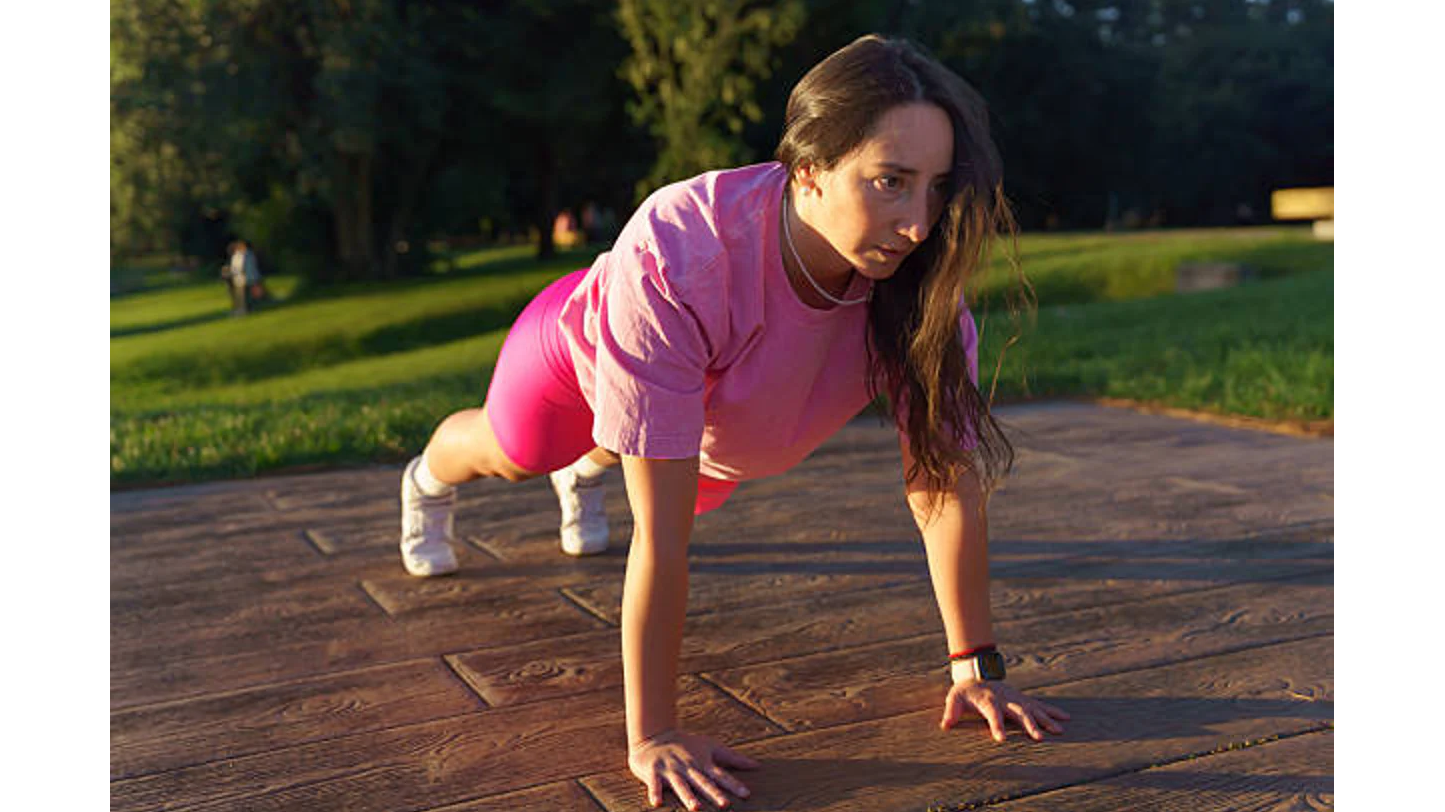
“Resistance isn't a suggestion; it's the prescription for a resilient life,” the Oh!mino team member adds. “We recommend at least two strength sessions per week, with each session targeting all major muscle groups. This routine should include accessible options like body-weight exercises (squats, push-ups), resistance bands (which are joint-friendly and adjustable), and dumbbell circuits, tailored to individual fitness levels.”
Crucially, effective resistance training must be supported by optimal nutrition. The organization stresses that women over 50 require a heightened focus on protein intake to facilitate muscle repair and growth. The recommended intake is approximately 0.75 to 0.8 grams of protein per kilogram of body weight per day, with slightly higher amounts often beneficial when combined with a consistent strength-training regimen. This synergy of stimulus and fuel is the foundation for successfully reversing age-related muscle decline.


