Over 3 million professionals visit San Francisco on business every year. Learn how to beat the rush with planning, travel, and productivity strategies that allow for a stress-free travel experience, even during the peak of conference season.
San Francisco remains one of the most important business destinations in the United States. The city attracts executives, entrepreneurs, investors, and corporate teams throughout the year, particularly during major conferences, technology events, and industry gatherings. While these opportunities make San Francisco a valuable destination for business development, they also create logistical challenges that can affect schedules, productivity, and overall travel experiences.
Successful business travel requires more than simply booking flights and hotel accommodations. A well-planned itinerary should account for transportation, potential delays, meeting preparation, and opportunities to remain productive throughout the trip. By taking a proactive approach, travelers can reduce stress and maximize the value of their time in the city.
San Francisco's business districts, convention centers, and nearby technology hubs generate substantial travel demand throughout the year. Peak conference periods often coincide with major industry events, causing a noticeable increase in visitor volume.
Large conventions can draw tens of thousands of attendees within a short timeframe. As a result, airports, hotels, restaurants, and transportation networks frequently operate under heavier-than-normal demand. Travelers who arrive without accounting for these conditions may encounter avoidable delays that impact their schedules.
Business travelers who understand the city's transportation patterns and seasonal fluctuations are better positioned to maintain efficient itineraries and arrive at meetings prepared and on time.
One of the most common challenges during peak conference periods is increased congestion throughout the transportation ecosystem.
Airport delays often begin before travelers even leave the terminal. Longer lines at baggage claim, rental car counters, and passenger pickup areas can add unexpected time to arrival schedules. During major events, transportation demand frequently exceeds normal levels, creating bottlenecks that extend beyond the airport itself.
Road congestion is another significant factor. Routes connecting San Francisco International Airport, downtown San Francisco, and convention venues often experience substantial traffic increases during major conferences. Morning arrival periods and late afternoon departures are particularly susceptible to delays.
Rideshare services may also become less predictable during large events. High demand can result in surge pricing, extended wait times, and challenges locating available drivers in heavily congested pickup zones. While rideshares remain useful in many situations, they may not provide the reliability that time-sensitive business travelers require.
Hotel check-in and check-out periods can also become more time-consuming during large conventions. Crowded lobbies, longer service queues, and increased demand for concierge assistance may create additional scheduling pressures.
Even short-distance travel between meetings can take considerably longer than expected when thousands of conference attendees are moving through the same areas simultaneously.
Preparation remains the most effective method for reducing the impact of travel delays.
Whenever possible, travelers should book flights and accommodations well in advance of major conferences. Early reservations typically provide greater flexibility and access to properties located closer to meeting venues.
Scheduling buffers between travel activities is equally important. Attempting to move directly from an airport arrival to a critical client meeting leaves little room for unexpected complications. Allowing additional transit time can prevent minor delays from becoming major disruptions.
It is also beneficial to consolidate meetings geographically. Scheduling appointments within the same district or nearby neighborhoods reduces transportation requirements and minimizes exposure to traffic-related delays throughout the day.
Travelers should review conference schedules before arrival as well. Understanding keynote sessions, exhibit hall hours, and networking events can help identify periods when transportation demand is likely to spike.
Ground transportation decisions have a direct impact on both efficiency and productivity.
Rental vehicles may appear attractive for travelers seeking flexibility, but navigating unfamiliar streets, locating parking, and managing traffic can consume valuable time and attention. Parking availability can become especially limited near major conference venues.
Public transportation provides a viable option for some travelers, particularly when destinations are located near established transit routes. However, schedules, transfers, and crowded conditions may not align with tightly managed business itineraries.
Rideshare services offer convenience but can become less reliable during high-demand periods. Surge pricing and vehicle shortages are common concerns during large conventions and major citywide events.
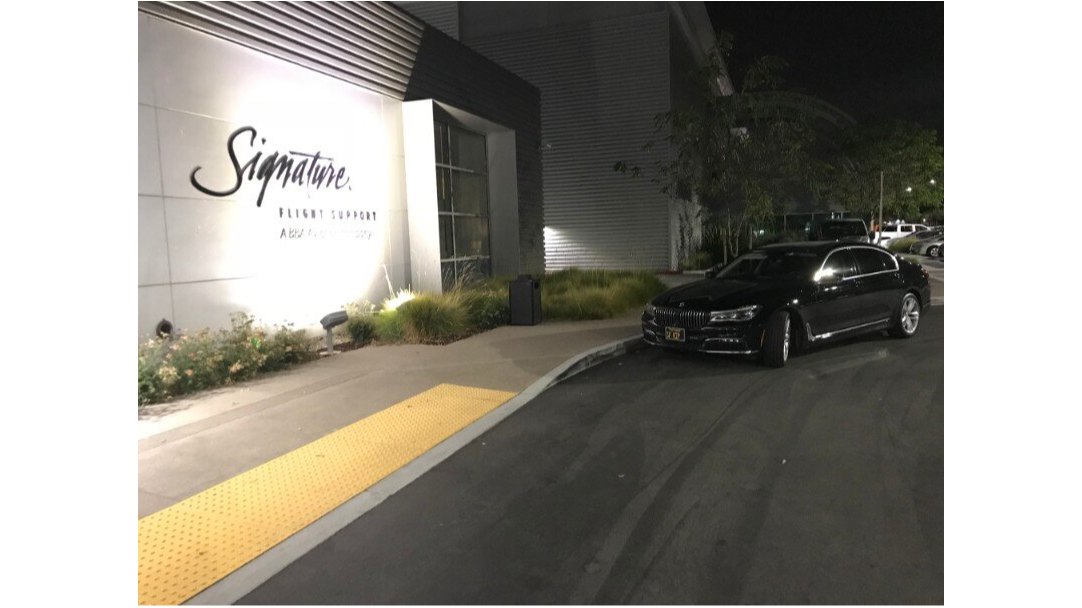
For executives, corporate teams, and professionals operating on demanding schedules, chauffeur limousine services represent a practical alternative. Pre-arranged transportation eliminates the uncertainty associated with finding a vehicle upon arrival and provides a dependable travel experience from airport pickup through final departure.
Professional chauffeurs are familiar with local traffic patterns, alternate routes, and event-related congestion. Their experience allows travelers to avoid many of the delays that affect less structured transportation options.
Business travel often involves balancing transportation needs with ongoing work responsibilities. Time spent moving between destinations can either become lost productivity or a valuable opportunity to stay engaged with business priorities.
Chauffeur limousine services help transform travel time into productive working time. Rather than concentrating on navigation, parking, or transportation logistics, passengers can focus on activities that contribute directly to business objectives.
Many professionals use transit periods to review presentations, prepare for meetings, respond to emails, participate in conference calls, or organize notes from previous discussions. A quiet and comfortable environment supports concentration and allows work to continue uninterrupted.
Stress reduction is another important benefit. Travel delays, transportation uncertainty, and unfamiliar road conditions can create unnecessary distractions. Professional chauffeur services help remove many of these concerns, enabling travelers to remain focused on client engagements, negotiations, and strategic priorities.
For organizations hosting visiting executives, clients, or partners, chauffeur transportation also contributes to a polished and professional experience that reflects positively on the company.
Productivity during business travel depends heavily on how schedules are structured.
Whenever possible, travelers should group high-priority meetings during periods when energy and focus are strongest. Administrative tasks, email management, and follow-up activities can often be completed during transit periods or between appointments.
Digital preparation also plays an important role. Important documents should be accessible offline, meeting materials should be organized before departure, and communication plans should be established in advance. These steps reduce the likelihood of disruptions when schedules become compressed.
It is equally important to protect time for review and reflection. Capturing action items immediately after meetings helps preserve valuable information and reduces the risk of overlooking important follow-up responsibilities.
A well-organized schedule creates greater resilience when unexpected delays occur, allowing travelers to adapt without sacrificing critical business objectives.
San Francisco offers exceptional opportunities for business growth, networking, and industry engagement. At the same time, the city's popularity as a conference destination creates transportation and scheduling challenges that require thoughtful planning.
By anticipating common delays, allowing adequate schedule flexibility, and selecting transportation solutions that support both reliability and productivity, business travelers can significantly improve their overall experience. Chauffeur limousine services stand out as a particularly effective option for professionals seeking dependable transportation, reduced stress, and the ability to remain productive while moving between destinations.
When efficiency is a priority, every aspect of travel planning matters. A strategic approach allows business travelers to spend less time managing logistics and more time focusing on the opportunities that brought them to San Francisco in the first place.


