Epiphone Les Pauls offer authentic Gibson design for all budgets. From beginner-friendly models to premium vintage recreations, there’s something for every player. Modern models feature weight relief and coil-splitting, while artist signatures bring pro-level specs within reach.
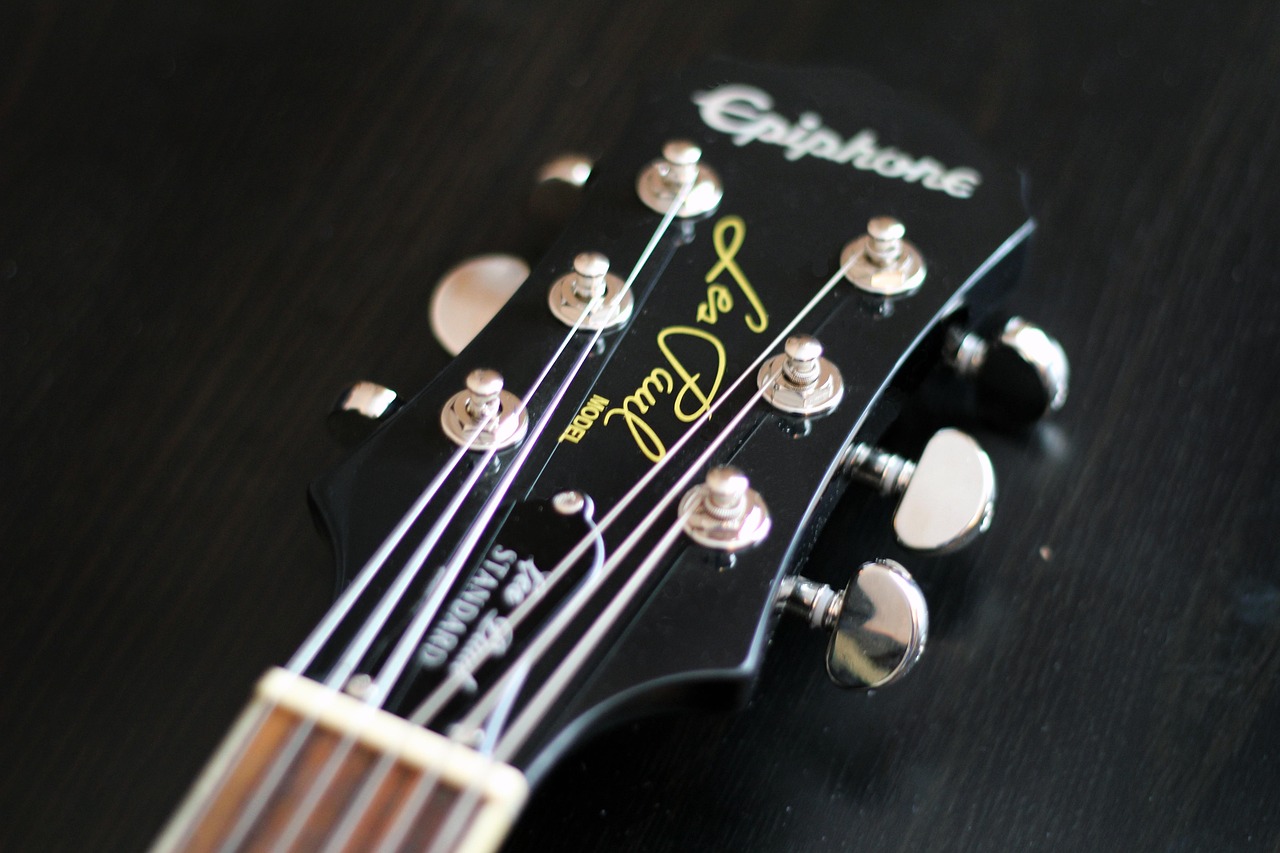
Looking for that legendary Les Paul tone without dropping Gibson-level cash? Epiphone's got your back. As Gibson's official partner since way back in 1957, Epiphone builds licensed Les Pauls that nail the look, feel, and sound, but at a price point that makes sense for everyday players.
Sam Ash carries the full spread of Epiphone Les Paul models, from beginner-friendly workhorses to high-end signature recreations. But if you're staring at the lineup thinking, "Wait, what's the actual difference between a Standard and a Custom—and is the Modern just newer?" yeah, you're not alone.
This guide breaks it all down. By the end, you'll know exactly which Epiphone Les Paul fits your vibe, your budget, and your playing style.
Every Epiphone Les Paul still rocks that iconic single-cutaway mahogany body and set-neck construction. But the devil's in the details—electronics, hardware, and build tweaks vary across the board, and those changes can seriously impact how each guitar plays and sounds.
This one's legendary for a reason. The '57 Goldtop introduced Gibson's original PAF humbuckers—and this reissue brings 'em back to life with Gibson USA Custombuckers that capture that fat, articulate tone early rock and blues were built on. You get a metallic gold nitro finish, a chunky '50s rounded medium C neck, and the kind of warmth and punch that makes every note sing.
The '59 is the Les Paul. This one comes loaded with AAA flame maple tops, vintage-spec CTS pots, Mallory caps, and—again—those Gibson USA Custombuckers. The neck stays in '50s territory, but with a slightly more refined '59 rounded medium C profile that's thick without being bulky. It's a dream for anyone who loves that full, resonant feel.
Same tone, sleeker feel. The only big change here is the SlimTaper neck, introduced in the '60s for faster playing. If you're into speed and comfort but still want that old-school tone and construction, this one nails the balance.
All three models share the same bones:
At around $1,299, these guitars aren't cheap, but compared to what an actual Gibson Custom Shop model costs (we're talking $6K-$10K+), they're a steal for serious players who want the real deal, without the museum-level price tag.
This one's all about that vintage heft. The '59 rounded medium C neck has some real meat to it—perfect if you like your necks substantial and your grip solid. It's loaded with ProBucker 1 and 2 pickups, which lean warm and balanced, echoing that classic PAF tone without getting muddy. Finishes like Heritage Cherry Sunburst and Goldtop lock in the vintage vibe, and at $699, it's a legit throwback that won't break the bank.
Need something a little faster? The '60s model swaps in a SlimTaper C neck, which feels noticeably slimmer—perfect for quicker runs and smoother bends. Pickup-wise, you're getting the ProBucker 2 and 3 combo, which hits harder in the mids and cuts through better in high-gain setups. Looks-wise, it brings the fire with finishes like Iced Tea and Bourbon Burst over a AAA flame maple veneer top. Same price as the '50s model ($699), just with a sleeker feel and punchier tone.
Wanna show up dressed to kill? The Epiphone Les Paul Custom is what players call the "tuxedo" guitar—elegant as hell and built to turn heads.
This thing drips in class:
It ditches the maple cap and goes full mahogany body, giving it a thicker, warmer tone with tons of sustain. The ProBucker Custom pickups bring that smooth, full-bodied growl that works across blues, rock, and even jazz. The neck? A comfy modern medium C profile that's easy on the hands for long sessions. And for $799, you're getting high-end looks and serious tone at a fraction of what a Gibson Custom would cost.
If you're into that stripped-down, no-BS kind of tone—the kind that hits hard in punk, garage rock, and early blues—you'll want to look at the Les Paul Junior and Les Paul Special. These two bring back that old-school bite with nothing extra getting in the way.
Both models have that signature midrange growl that makes P-90s so addictive. If you're the type who cranks the amp, rolls up your sleeves, and just plays—these are your weapons.
If you want a Les Paul that looks vintage but feels built for today's gigs and sessions, the Modern Collection is where things get interesting. These models keep the iconic shape but upgrade everything under the hood—comfort, versatility, and tone included.
Stripped down but fully capable, the Les Paul Studio ($549) is designed to do the job—no flash, just tone and performance. Originally built for studio cats who didn't need showy finishes, this one's perfect for players who care more about sound than bling.
It's a killer choice for anyone jumping between styles. The coil-splitting gives you humbucker chunk and single-coil sparkle when you need it. Great for session players, gigging musicians, and anyone who just wants a reliable, versatile Les Paul without unnecessary extras.
If you’re into modern metal, prog, or anything technical, the Les Paul Prophecy ($1,199) is where Epiphone throws the whole kitchen sink and then some.
The Prophecy is easily Epiphone's most high-tech Les Paul—perfect if you need your guitar to keep up with sweep picking, big bends, tapping runs, and drop-tuned madness.
One of the most storied guitars in rock history, "Greeny" originally belonged to Peter Green of Fleetwood Mac, then Gary Moore, and now Metallica's Kirk Hammett—and with the Epiphone Kirk Hammett "Greeny" 1959 Les Paul Standard ($1,499), that tone lives on.
If you've ever chased the tone on "Oh Well" or "Black Magic Woman," this is the axe that'll get you eerily close without needing to raid a vintage vault.
Tool fans, you already know. That Antique Silverburst isn't just aesthetics—it's the sonic weapon behind some of the most layered, crushing tones in modern rock. The Adam Jones 1979 Les Paul Custom ($1,499) brings his actual rig into your hands.
This one's built to handle massive ambient textures and brutal alt-metal riffing. Every detail's been dialed in to Jones' specs—even the wear marks.
Trivium's Matt Heafy went all-in designing a Les Paul that could keep up with modern metal demands. The Matt Heafy Origins ($1,099) is that guitar: high gain, high versatility, and built for speed.
If you need tight low-end for palm muting, glassy cleans, and screaming leads all in one axe, this one does it without blinking.
Slash and the Les Paul are basically married at this point. The Epiphone Slash Les Paul Standard ($799) brings his tone, feel, and look to you—sans the boutique price tag.
This one's for the Guns N' Roses fans and players who want that warm, growly crunch heard on Appetite for Destruction, and the looks to match.
Both of these give you the Les Paul shape and feel without skimping on tone or comfort. The Studio E1 just throws in a few more traditional features for players who want more control.
Don't wanna piece together gear one item at a time? Epiphone Player Packs are made for that. Each pack includes:
You're fully gig- or lesson-ready out of the box. No extra purchases needed. Expect prices between $279 and $399, depending on the model and accessories.
There's no "best" Les Paul, just the one that fits you. Whether you're into stripped-down simplicity, vintage swagger, or modern firepower, Epiphone's lineup has something that'll match your style and your wallet.
The trick is knowing your priorities:
Sam Ash has the full range of Epiphone Les Pauls ready to browse, compare, and plug into. Still unsure which one's right for you? Their Gear Experts can walk you through the options and help you find the model that fits your style, sound, and budget.


