Kansas City homeowners spend 40% more on heating and cooling with inadequate window treatments. Discover how shutters, cellular shades, and motorized options reduce energy costs while improving home comfort year-round.
Windows without proper treatments create several energy problems you might not realize. Heat radiates through glass surfaces during summer months, forcing your air conditioner to work harder, while cold winter air penetrates through gaps around poorly fitted blinds or curtains. Air circulation patterns near windows create drafts that make rooms feel uncomfortable despite proper thermostat settings.
Standard aluminum mini blinds offer minimal insulation value. Thin fabric curtains provide some light control but little thermal protection, and old window treatments with gaps or damaged slats allow air exchange that drives up energy costs. You might notice certain rooms feel hotter or colder than others, indicating insufficient window coverage.
The problem compounds during Kansas City's temperature extremes. Summer heat can make south-facing rooms unbearable without constant air conditioning, while winter cold seeps through inadequately covered windows, creating uncomfortable drafts and uneven heating patterns throughout your home.
Cellular shades create air pockets that act like insulation barriers. The honeycomb design traps air between window glass and room interior, with double-cell options providing better insulation than single-cell varieties and you can choose light-filtering or blackout options based on privacy needs. These shades reduce heat transfer by up to 78% on windows, although installation requires precise measurement to eliminate gaps around edges, while top-down, bottom-up styles offer versatility for privacy and light control.
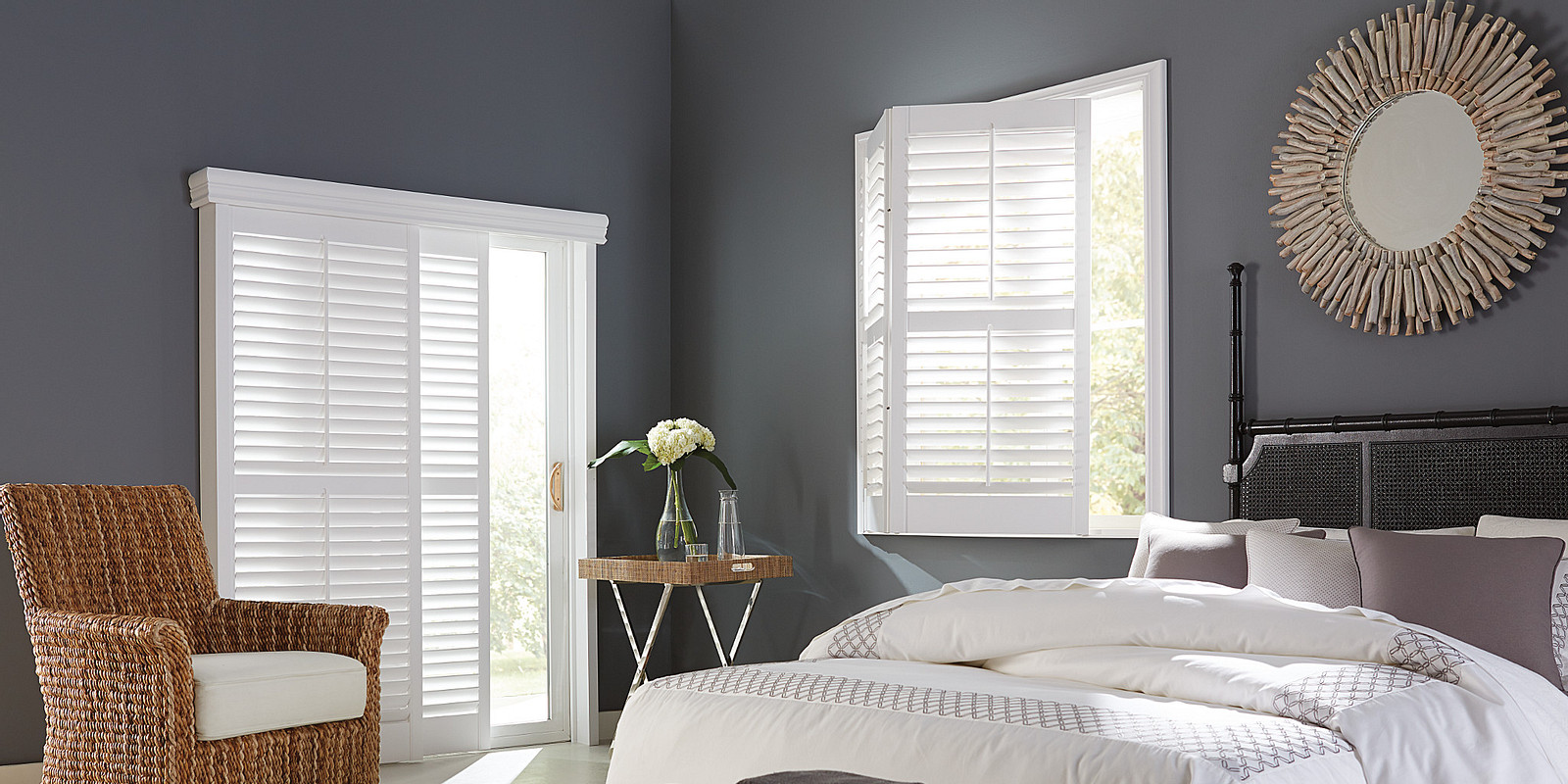
Plantation shutters with insulated cores provide excellent thermal protection. The solid construction eliminates air gaps that plague other window covering types, and adjustable louvers let you control light and airflow throughout the day. Quality shutters can last decades with minimal maintenance.
Wood shutters offer natural insulation properties, while composite materials resist warping in humid conditions. Professional installation ensures proper fit against window frames.
Heavy drapery fabrics block heat transfer when properly installed. Thermal-backed curtains reflect heat away from windows during summer months, and floor-length panels create better insulation than shorter window treatments. Layering curtains with other treatments maximizes energy efficiency.
Choose light colors for south-facing windows to reflect heat. Dark fabrics work well on north-facing windows for heat absorption, while proper hanging techniques eliminate gaps that allow air exchange.
Manual window treatments require daily adjustment for optimal energy efficiency. You need to remember closing shades during peak heat hours and opening them for natural warming, whereas motorized systems automatically adjust based on time schedules or temperature sensors. The initial investment costs more but provides consistent energy savings.
Smart home integration allows remote control through smartphone apps. Some systems connect to thermostats for coordinated operation, while battery-powered motors work during power outages.
Summer strategies focus on blocking heat gain during daylight hours so close south and west-facing window treatments during peak sun exposure, then open treatments after sunset to allow heat dissipation.
Winter approaches require different tactics. Open treatments on sunny days to capture solar heat gain, then close everything at sunset to trap warm air inside and north-facing windows should stay covered to prevent heat loss.
Proper measurement eliminates gaps that reduce energy efficiency. Professional installers account for window irregularities and frame variations, with custom sizing ensuring maximum coverage without operational problems. DIY installations often leave gaps that compromise insulation performance.
Inside mount installations provide better insulation than outside mount options. Professionals understand which mounting method works best for each window type, ensuring proper fit that prevents air circulation around treatment edges.
Window treatment specialists understand which materials perform best in different applications. They can recommend options based on window orientation and room usage patterns, since professional-grade products often outperform retail store alternatives. Long-term warranties protect your investment in energy-efficient treatments.
Local Kansas City window treatment experts have experience with regional climate challenges. They understand how humidity affects different materials, ensuring professional installation that allows treatments to operate properly for maximum energy savings.
The right window treatments can reduce your energy bills by 15-25% annually. Professional consultation helps identify the best solutions for your specific home and budget, while quality installation ensures maximum performance and long-term durability.
Quality window treatments can reduce heating and cooling costs by 15-25% annually. The exact savings depend on your current window efficiency, home size, and treatment type. Cellular shades typically provide the highest return on investment for most Kansas City homes.
Cellular shades offer superior insulation due to their air-pocket design. Insulated shutters provide excellent long-term performance. Thermal-backed drapery works well when properly installed. The best choice depends on your budget, style preferences, and specific window requirements.
Motorized systems provide more consistent energy savings through automated scheduling. Manual treatments work well if you remember to adjust them daily. The higher upfront cost of motorization often pays for itself through improved efficiency and convenience over time.
provide expert consultation and professional installation services. They understand regional climate challenges and can recommend the best solutions for your specific needs and budget requirements.


