Slash your utility bills by up to 30% while making your home more comfortable year-round. From smart insulation strategies to heat pumps that triple efficiency, discover which energy renovations deliver the biggest impact, plus how federal tax credits can cover 30% of your costs.
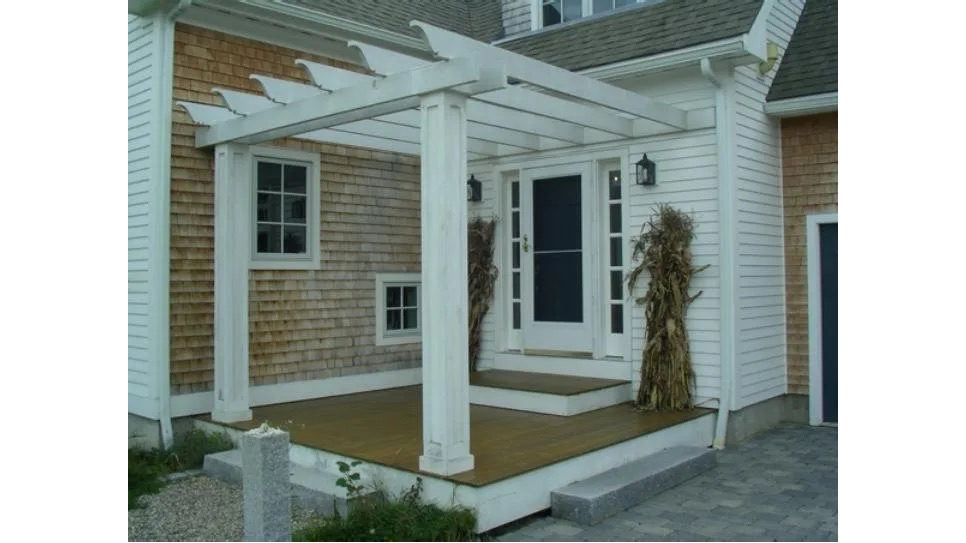
An energy-efficient home renovation focuses on improvements that reduce energy consumption while maintaining or enhancing comfort. Unlike standard renovations that might just update appearances, energy-efficient renovations strategically address how your home uses and loses energy.
Energy efficiency renovations rest on three main pillars: reducing energy demand, improving energy retention, and upgrading to more efficient systems. Reducing demand means creating spaces that naturally need less energy through smart design choices. Energy retention involves preventing heat transfer through your home's envelope (walls, roof, windows, and foundation). Finally, system efficiency focuses on upgrading mechanical equipment like HVAC and water heaters to models that deliver the same or better performance while using less energy.
Before starting any energy renovation, a professional energy audit provides crucial baseline information. This assessment identifies specific areas where your home is losing energy and money. Auditors use specialized tools like infrared cameras to detect thermal leaks, blower door tests to measure air tightness, and detailed utility bill analysis to understand consumption patterns.
An energy audit typically reveals that the biggest opportunities for improvement aren't always the most obvious ones. For instance, while drafty windows are noticeable, you might be losing significantly more energy through inadequate attic insulation or ductwork leaks. These assessments help prioritize renovations that will deliver the greatest return on investment.
Effective energy renovations start with clear, measurable goals. Are you primarily looking to reduce monthly utility bills? Improve comfort by eliminating cold spots? Or perhaps increase your home's resilience during power outages? Your specific priorities will help determine which improvements make the most sense.
It's also important to consider your long-term plans. If you expect to stay in your home for decades, investments with longer payback periods might make sense. For shorter timeframes, focus on improvements with faster returns and potential to increase resale value. Either way, taking an incremental approach can make the process more manageable both logistically and financially.
The average American home wastes a surprising amount of energy through outdated systems and poor insulation. According to the Department of Energy, space heating and cooling account for more than 50% of home energy use, while water heating claims another 20%. That means nearly three-quarters of your utility bills go toward just keeping your home comfortable and your water hot.
But the true cost of an inefficient home goes beyond your monthly utility bills. When your home leaks air, it creates uncomfortable drafts and temperature inconsistencies from room to room. Poor insulation allows outdoor noise to penetrate more easily. Inefficient appliances often operate more loudly and less effectively. All of these factors impact your daily comfort and quality of life.
There's also the environmental consideration. An energy-inefficient home produces significantly more carbon emissions than a well-sealed, properly insulated one with modern systems. By implementing energy-efficient renovations, you're not just saving money—you're reducing your carbon footprint and contributing to a more sustainable future.
Air sealing and insulation form the foundation of any energy-efficient home. Even if your home already has some insulation, it may not be enough by today's standards or may have settled or degraded over time. Modern insulation materials offer superior performance compared to what was installed in homes built even 20 years ago.
Start by sealing air leaks around windows, doors, electrical outlets, and other penetrations in your home's envelope. This relatively inexpensive step prevents conditioned air from escaping and keeps outside air from infiltrating. Once air leaks are addressed, focus on insulation in these key areas:
According to the Department of Energy, proper air sealing and insulation can reduce your home's energy use by approximately 10%. The upfront investment typically pays for itself within 2-5 years through energy savings.
Outdated windows and doors can be major culprits for energy loss. Single-pane windows, in particular, provide very little thermal resistance. Modern energy-efficient windows feature double or triple glazing, low-emissivity coatings, and insulated frames that can reduce energy loss by 30-50% compared to single-pane windows.
When selecting new windows, look for these features:
For doors, especially those with glass elements, look for similar energy efficiency ratings. Even if full replacement isn't in your budget, adding weatherstripping and door sweeps to existing doors can significantly reduce drafts.
Heat pumps represent a major advancement in home comfort technology. Unlike traditional heating systems that generate heat by burning fuel or using electric resistance, heat pumps transfer heat between indoor and outdoor environments. This fundamental difference makes them up to three times more efficient than fossil fuel systems.
Modern heat pumps work effectively even in cold climates, contrary to outdated perceptions. They provide both heating and cooling, eliminating the need for separate systems. This dual functionality not only saves space but also reduces maintenance requirements.
Options include:
Heat pumps run on electricity, making them ideal complements to solar panel installations and positioning your home for a fossil-fuel-free future. When planning comprehensive energy renovations, it's important to work with contractors who understand how different systems integrate together for maximum efficiency.
After space heating and cooling, water heating is typically the second-largest energy expense in homes, accounting for about 20% of energy use. Heat pump water heaters represent a significant upgrade from conventional electric resistance or gas models.
Heat pump water heaters use electricity to move heat rather than generate it directly, making them 2-3 times more efficient than traditional electric water heaters. This translates to annual savings of $200-$550 for the average household, depending on your current water heater type and usage patterns.
While the upfront cost is higher than conventional models, the combination of utility savings and available tax credits often results in a payback period of 3-5 years. Additionally, many heat pump water heaters offer smart features like vacation modes and leak detection that provide added convenience and protection.
Solar panels have become increasingly affordable and efficient, making them a practical option for many homeowners. By generating your own electricity, you can significantly reduce or even eliminate your electric bills while insulating yourself from future utility rate increases.
Modern solar panel systems are more aesthetically pleasing and durable than earlier generations. They can be mounted on roofs or ground-mounted if your property has suitable space. When paired with battery storage, solar systems can also provide backup power during outages, adding an extra layer of resilience to your home.
The federal Inflation Reduction Act offers a 30% tax credit on solar installations, substantially reducing the net cost. Most systems pay for themselves within 7-10 years while having a lifespan of 25-30 years, making them an excellent long-term investment in your home's value and energy independence.
The Inflation Reduction Act (IRA) offers significant financial incentives that can substantially reduce the cost of energy-efficient renovations. These tax credits are available to all taxpayers, regardless of income, and can be claimed when filing your annual tax return.
The IRA provides two main types of tax credits for home energy improvements:
To claim these credits, you'll need to keep detailed records of your qualifying purchases and installations, including receipts, manufacturer certifications, and contractor statements. Then file IRS Form 5695 with your tax return.
When evaluating energy efficiency improvements, understanding the payback period—the time it takes for energy savings to equal your initial investment—helps prioritize projects.
The payback formula is simple:
Payback Period = (Total Project Cost - Incentives) ÷ Annual Energy Savings
For example, if a $10,000 heat pump installation receives a $3,000 tax credit and saves $1,000 annually on energy bills, the payback period is:
($10,000 - $3,000) ÷ $1,000 = 7 years
Typical payback periods for common energy improvements (after incentives):
Remember that these improvements continue generating savings long after they've paid for themselves, and they provide additional non-financial benefits like improved comfort and environmental impact reduction.
Every home has unique energy characteristics and improvement opportunities. Instead of following generic recommendations, tailor your approach to your specific home. This starts with understanding your current energy usage patterns and identifying the biggest energy drains.
A professional energy audit can provide this analysis, but you can also perform a basic assessment by:
Once you understand your home's specific inefficiencies, prioritize improvements that address your biggest energy losses first. For example, if your audit reveals that your attic has minimal insulation, that should likely take precedence over replacing windows that are in reasonable condition.
Since IRA tax credits have annual limits, planning your renovations across multiple tax years can help maximize available incentives. For instance, if you're planning comprehensive energy upgrades totaling $20,000, spreading the work across two or three tax years could allow you to claim more in total tax credits than completing everything in a single year.
A strategic phasing approach might look like this:
This approach not only maximizes tax benefits but also allows you to tackle the most fundamental efficiency issues first, which can inform subsequent improvements.
The success of your energy-efficient renovation depends significantly on proper installation and system integration. Working with qualified contractors who specialize in energy-efficient building practices is essential.
When selecting contractors, look for these qualifications:
Ask potential contractors detailed questions about their approach to energy efficiency, request references from similar projects, and ensure they're familiar with current building codes and incentive requirements. The right contractor will not only perform quality work but also help navigate the incentive landscape and provide documentation needed for tax credits and rebates.
Energy-efficient renovations deliver benefits far beyond the immediate improvements to your home. By strategically upgrading your home's energy performance, you're making an investment that will continue paying dividends through reduced utility bills, increased comfort, and enhanced property value for years to come.
To maximize these long-term benefits, adopt a comprehensive approach that combines thoughtful planning, quality materials, professional installation, and ongoing maintenance. Consider how your improvements work together as a system rather than isolated upgrades. For example, properly sizing a new heat pump after improving your home's insulation and air sealing will result in better performance and greater efficiency than addressing either in isolation.
As energy costs continue to rise and climate concerns grow, homes with proven energy efficiency features will likely command premium resale values. By documenting your improvements and tracking your energy savings, you're creating a valuable record of your home's performance that can become a selling point if you decide to move in the future.
Companies like Skovic Construction specialize in energy-efficient renovations that transform homes into comfortable, sustainable, and cost-effective living spaces.


