Power outages can strike without warning, but building your own emergency solar power station might be easier than you think. However, one critical safety mistake during installation could put your entire home at risk.
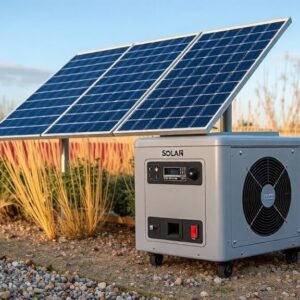
Power outages strike without warning, leaving families vulnerable and unprepared. While traditional gas generators create noise, fumes, and safety concerns, emergency solar power stations provide a clean, reliable alternative that operates silently indoors. Building a DIY solar backup system has become surprisingly accessible, even for homeowners without technical backgrounds, offering modular solutions that grow with changing needs.
LiFePO4 batteries form the backbone of any reliable emergency solar setup. These lithium iron phosphate batteries outperform traditional lead-acid options with built-in Battery Management Systems (BMS), extended lifespans reaching 3,000-8,000 cycles depending on usage, and lightweight designs that simplify installation. For emergency home backup, specialists recommend starting with at least 5,000 watt-hours of storage capacity.
The stable chemistry of LiFePO4 batteries makes them less prone to thermal runaway compared to other lithium-ion options, though they can still experience it under extreme conditions such as overcharging, physical damage, or high temperatures. Solar Emergency Charger specialists note that proper battery sizing prevents system overload during extended outages when solar charging becomes limited. Most homeowners find that 12V 100Ah units provide flexibility for modular expansion as energy needs evolve.
Solar panel selection directly impacts charging speed during critical situations. Emergency systems require 500-1,000 watts of solar capacity to maintain battery levels while powering essential loads. Portable panels offer installation flexibility for renters or homes with limited roof access, while rigid panels provide maximum efficiency for permanent installations.
MPPT charge controllers maximize energy harvest compared to basic PWM models, with efficiency gains up to 30% in certain conditions, crucial when every watt counts during emergencies. These controllers automatically adjust voltage and current to extract peak power from panels even in suboptimal conditions like partial shading or cloudy weather that commonly occur during storm-related outages.
Pure sine wave inverters convert stored DC battery power into clean AC electricity that safely operates sensitive electronics like computers, medical equipment, and modern appliances with digital controls. Modified sine wave inverters may damage these devices or cause performance issues during critical moments.
Minimum 1,000-watt inverter capacity handles most household essentials, though larger units provide flexibility for high-draw appliances like refrigerators or sump pumps. Safety equipment including fuses, circuit breakers, and proper gauge wiring prevents electrical fires and protects expensive components from damage.
Accurate energy calculations prevent costly over-sizing or dangerous under-sizing of emergency systems. Start by identifying critical loads: refrigerator (500W × 4 hours = 2,000Wh daily), LED lighting (100W × 6 hours = 600Wh), communication devices (50W × 24 hours = 1,200Wh), and any medical equipment requiring constant power.
Sum total appliance wattages and multiply by estimated daily use hours to determine minimum battery capacity. Add 20-30% buffer for system inefficiencies and unexpected needs. Remember that many appliances require surge power during startup - account for these peak demands when sizing inverters.
Solar panel placement dramatically affects system performance during emergencies when maximum energy harvest becomes critical. South-facing installations in the northern hemisphere capture optimal sunlight throughout the day. Rooftops, ground mounts, or even temporary setups on balconies can work depending on available space and local regulations.
Battery storage requires cool, dry, well-ventilated areas away from living spaces. Basements, garages, or dedicated utility rooms provide ideal environments. Avoid locations with extreme temperatures or potential flood exposure that could compromise system safety and reliability.
Secure panel mounting prevents wind damage and ensures consistent performance throughout the system's lifespan. Rooftop installations typically require professional assessment to verify structural integrity and proper waterproofing. Ground mounts offer easier maintenance access but need adequate clearance from shading obstacles.
Optimal tilt angles vary by geographic location and season, but 30-45 degrees works well for most emergency applications. Fixed installations should target year-round average performance rather than seasonal peaks, ensuring reliable charging during winter months when outages often occur.
Battery installation starts with selecting appropriate mounting hardware and ensuring adequate ventilation around each unit. While LiFePO4 batteries produce minimal gas during standard operation, ensuring some ventilation in the battery storage area is still a good practice to prevent excessive heat buildup and maintain component lifespan. Secure batteries against shifting that could damage terminals or create dangerous short circuits.
Charge controller installation requires careful attention to polarity markings and wire gauge specifications. Connect solar panel inputs (PV+ and PV-) first, followed by battery connections (BAT+ and BAT-). Use appropriately sized fuses or breakers between components to protect against overcurrent conditions.
Heavy-duty wiring minimizes voltage drop and heat generation that reduces system efficiency and creates safety hazards. Use appropriately sized wiring for battery connections, consulting a wire gauge chart to ensure adequate capacity for the expected current and cable length. A minimum of 10 AWG may be suitable for some low-current applications, but higher-current systems will require larger gauges. Marine-grade tinned copper wire resists corrosion in humid environments.
Install fuse protection between each major component: solar panels to charge controller, charge controller to batteries, and batteries to inverter. Size fuses at 125% of expected current flow to prevent nuisance trips while maintaining protection. Use appropriately rated MC4 connectors for solar panel connections.
Inverter connections require the heaviest gauge wires in the system due to high current draw during operation. Tighten all terminal connections to manufacturer specifications - loose connections create resistance, heat, and potential fire hazards. Install the main system disconnect switch in an easily accessible location.
Initial testing begins with small loads like LED lights or phone chargers before progressing to larger appliances. Monitor battery voltage, charge controller status, and inverter operation during testing. Address any issues before relying on the system during actual emergencies.
Transfer switches provide the safest method for connecting backup power to household electrical circuits. These devices prevent dangerous backfeed that could electrocute utility workers during power restoration. Manual transfer switches offer reliable operation without dependence on control electronics that might fail during emergencies.
Licensed electrician installation ensures compliance with local electrical codes and proper grounding requirements. Automatic transfer switches provide seamless operation but require more complex wiring and periodic testing to ensure reliability when needed most.
While LiFePO4 batteries produce minimal gas, ensuring some ventilation in the battery storage area is still a good practice to prevent excessive heat buildup and maintain component lifespan. Install smoke detectors as a safety precaution near battery storage areas and maintain clear access paths for emergency responders. Keep fire extinguishers rated for electrical fires within easy reach.
Regular inspection of all connections, wire insulation, and component mounting prevents deterioration that leads to failures. Look for signs of overheating like discolored wires, burnt smells, or warm components during routine maintenance checks.
Maintain fully charged batteries through regular cycling and monitoring. Check solar panel cleanliness and remove debris that blocks sunlight. Verify proper operation of all switches, fuses, and connections before severe weather arrives. Store emergency supplies like flashlights and radios near the power station for quick access.
Test critical loads periodically to ensure compatibility and identify any issues before emergencies strike. Document startup sequences for complex appliances and maintain spare fuses appropriate for your system specifications. Keep instruction manuals and emergency contact information easily accessible.
Battery voltage monitoring prevents over-discharge that permanently damages cells and reduces system capacity. Most charge controllers include low-voltage disconnect features, but manual monitoring provides early warning of declining performance. Maintain battery voltage above 50% capacity when possible to extend service life.
Track daily energy production and consumption to optimize usage during extended outages. Prioritize essential loads when solar charging cannot keep pace with demand. Consider load shedding strategies that maintain critical functions while preserving battery capacity for nighttime operation.
Building a DIY emergency solar power station empowers homeowners with clean, reliable backup power that operates independently of fuel supplies and utility infrastructure. The modular nature of solar systems allows gradual expansion as needs evolve and budgets permit. Unlike gas generators, solar emergency systems provide silent operation without dangerous emissions, making them safe for indoor use during severe weather.
Success depends on proper component selection, careful installation, and regular maintenance that ensures peak performance when emergencies strike. While initial costs may exceed gas generators, solar systems offer decades of service life with minimal ongoing expenses. The peace of mind that comes from energy independence proves invaluable when traditional power sources fail.
For professional-grade emergency solar solutions and expert guidance on system design and installation, Solar Emergency Charger provides the specialized equipment and support needed to keep your home powered during any outage.


