Swiss property owners spend thousands annually on weed control, yet many methods harm soil and surrounding plants. Thermal infrared technology offers precise, chemical-free removal that protects the environment while delivering effective results.
Let's talk about what most people don't realize about conventional weed removal. Chemical herbicides might seem like the easy solution, but they come with baggage heavier than a tourist's backpack in Lucerne.
First, there's the environmental impact. Those chemicals don't just disappear after killing weeds—they seep into groundwater, affect beneficial insects, and can remain in soil for months. Switzerland's strict environmental regulations exist for good reason, and many municipalities are moving away from chemical treatments entirely.
Then there's the precision problem. Mechanical removal sounds green and natural, but it's like using a sledgehammer to crack a walnut. You end up damaging surrounding plants, disturbing soil structure, and often spreading weed seeds to new locations. Plus, try using mechanical tools on gravel paths or between delicate plantings—it's practically impossible.
Here's where science gets interesting without getting complicated. uses infrared radiation—the same type of heat you feel from the sun—to target plant cells directly.
The magic happens at around 65°C. At this temperature, plant proteins undergo irreversible changes that burst cell walls and interrupt photosynthesis. You don't need to burn plants to ash (which actually feeds the soil and encourages new growth). Instead, you're essentially giving weeds a very targeted fever they can't recover from.
The equipment heats a controlled gas-air mixture to over 900°C, creating intense infrared radiation without open flames. This means you get all the killing power with none of the fire hazard—perfect for areas where safety is paramount.
You'll see results within minutes as treated plants change color, signaling cellular damage has begun. Within 24-48 hours, weeds start dying visibly. More importantly, the heat penetrates deep enough to weaken root systems, making regrowth less vigorous than with surface treatments.
Different situations call for different approaches. Here's the honest breakdown:
Chemical Herbicides:
Mechanical Removal:
Thermal Treatment:
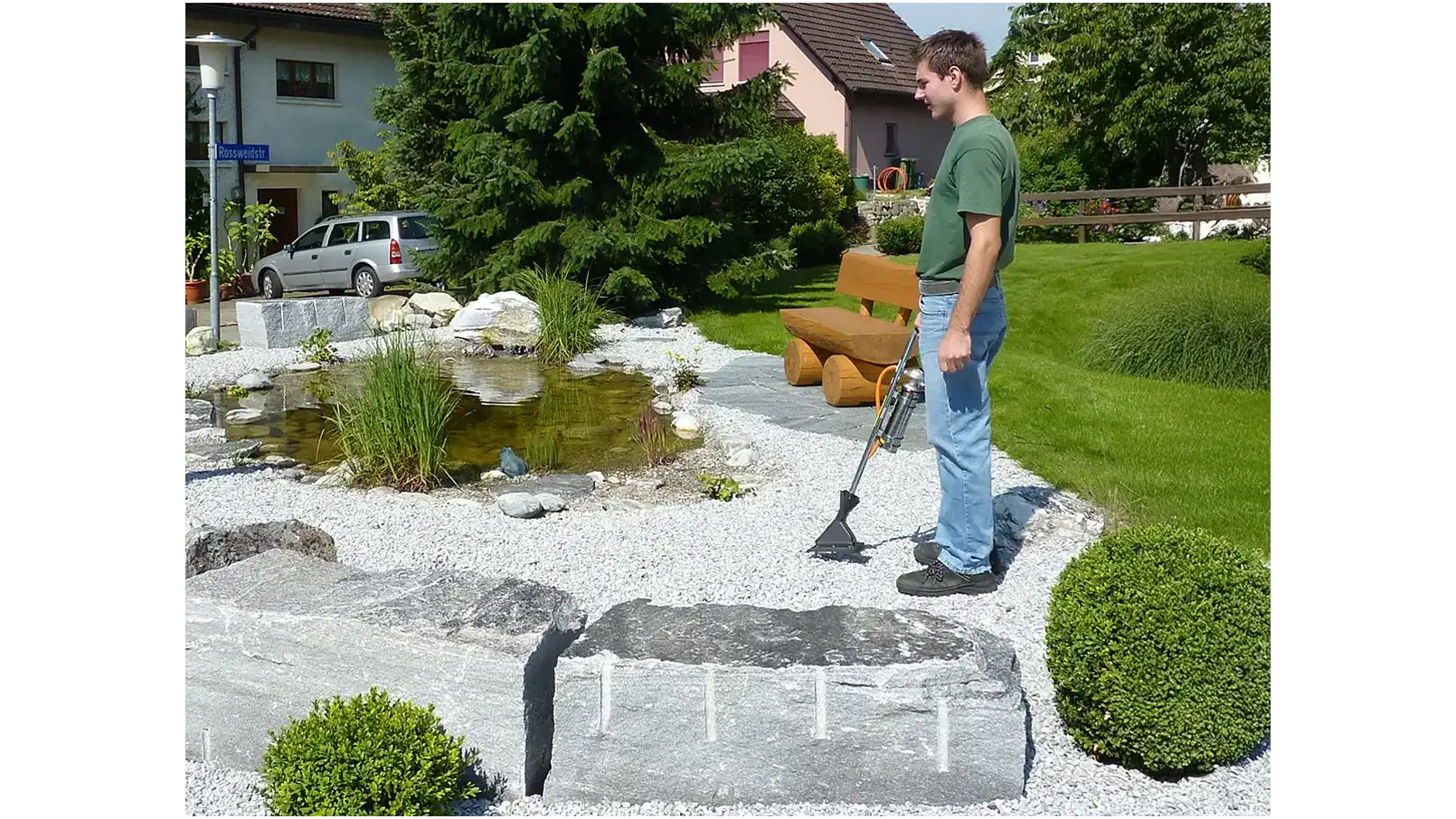
Swiss manufacturers have developed thermal weed control systems that address real-world challenges. These aren't your grandfather's blowtorch—modern infrared equipment offers precise control and safety features.
The technology ranges from lightweight portable units perfect for homeowners to robust mobile systems for commercial landscapers. Electronic ignition systems eliminate the hassle of manual lighting, while advanced heat distribution ensures consistent results across treated areas.
Battery-powered models provide cordless convenience, while gas-powered versions offer extended operation for larger projects. The key is matching equipment capacity to your specific needs rather than buying the biggest or cheapest option.
Thermal weed control, like the technology created by InfraWeeder, requires outdoor use with proper ventilation—you're dealing with combustion, after all. Weather conditions matter too; rain reduces effectiveness, while strong winds can affect heat distribution.
The environmental benefits are significant. No chemical residues means no groundwater contamination. Beneficial soil microorganisms remain undisturbed. Nearby plants stay healthy, and you're not contributing to herbicide resistance—a growing problem in agricultural weed management.
While thermal weed control is accessible to homeowners, certain situations benefit from professional expertise. Large commercial properties, historic sites, and areas with strict environmental regulations often require specialized knowledge and equipment


