Nearly 12% of U.S. adults are now on GLP-1 medications—and they’re spending 8% less at restaurants while ordering completely different food. If you’re in the restaurant business (or taking these drugs yourself), here’s what’s actually changing about dining out.
The rise of weight loss medications like Ozempic and Wegovy is reshaping America's dining landscape in ways that go far beyond weight loss. With nearly 12% of U.S. adults having used these drugs, restaurants and food delivery platforms are scrambling to adapt to customers who eat less, choose differently, and spend more thoughtfully on food experiences.
The numbers tell a clear story of changing consumer behavior. Within six months of starting GLP-1 treatment, households reduce their grocery spending by an average of 5.3%, with higher-income users cutting back even more dramatically at 8%. Fast-food restaurants, coffee shops, and other quick-service establishments are feeling the impact most acutely, experiencing approximately 8% drops in spending from GLP-1 users.
This shift isn't just about eating less—it's about eating differently. GLP-1 medications fundamentally alter how the brain processes food rewards and cravings, making previously irresistible options like fried foods, sugary drinks, and calorie-dense snacks lose their appeal. The implications extend beyond individual choices to reshape entire market segments that have built their business models on frequent, impulse-driven purchases.
GLP-1 receptor agonists work by mimicking natural hormones that regulate appetite and blood sugar control. These medications don't just make people feel full faster—they fundamentally rewire the brain's relationship with food. Users frequently report that the constant "food chatter" in their minds quiets down, making it easier to make rational rather than emotional food choices.
Many current GLP-1 users have changed their dining habits since starting treatment. The most common changes include eating significantly smaller portions, gravitating toward nutrient-dense foods, and experiencing genuine cravings for fruits and vegetables. Many users describe being satisfied with appetizer-sized portions or sharing main courses that they previously would have finished alone.
The medication's effects on taste preferences can be dramatic. Foods that once seemed irresistibly appealing—particularly those high in fat, sugar, and salt—can actually trigger nausea or discomfort. This isn't willpower; it's a biochemical shift that makes rich, calorie-dense foods genuinely unappealing at a physiological level.
The change is particularly pronounced in alcohol consumption. Studies show that GLP-1 patients who previously drank weekly report significant drops in consumption after starting treatment. This has major implications for restaurants, where alcohol sales often provide the highest profit margins.
The reduced interest in rich foods extends beyond just portion control. Many users report that even small amounts of heavy sauces, fried foods, or overly sweet desserts can cause immediate physical discomfort. This has led to a preference for cleaner preparations—grilled proteins, roasted vegetables, and simple seasonings over complex, cream-based dishes.
Forward-thinking restaurants are recognizing that adaptation isn't optional—it's essential for survival in a market where a growing segment of diners has fundamentally different needs and preferences.
Smoothie King became an early industry pioneer when it rolled out a dedicated GLP-1-friendly menu in October 2024. The specialized offerings focus on high-protein, high-fiber options with no added sugars—exactly what GLP-1 users crave. This wasn't just menu tweaking; it was a strategic response to a shifting customer base that values nutrition density over quantity.
The chain's proactive approach demonstrates how businesses can turn demographic challenges into competitive advantages. By explicitly catering to GLP-1 users' needs, Smoothie King positioned itself as the go-to option for this growing market segment, potentially capturing customers who might otherwise avoid quick-service establishments entirely.
Major brands are following suit with their own adaptations. Shake Shack introduced "Good Fit Menus" featuring lettuce wraps and high-protein items, directly targeting health-conscious diners including GLP-1 users. These aren't afterthoughts or limited-time promotions—they're permanent menu additions reflecting long-term market shifts.
High-end restaurants are also adapting, with many establishments offering scaled-back tasting menus at lower price points. Restaurant operators understand exactly what their diners need: flexibility to match appetite levels on any given day.
The statistics reveal how widespread these considerations have become: restaurant operators are actively considering adding GLP-1-friendly dishes or beverages to their menus, with many already offering them. This represents a significant industry-wide recognition that ignoring this demographic shift is no longer viable.
The adaptations go beyond just offering smaller portions. Restaurants are rethinking their value propositions entirely, focusing on quality over quantity, nutrition density over calorie counts, and customization over standard preparations.
Food delivery services are experiencing their own version of the GLP-1 effect. Users are ordering less food per transaction, and the frequency of indulgent orders has dropped. Platform algorithms built to encourage add-ons and upsells are suddenly less effective when targeting users whose appetites and cravings have fundamentally changed.
In response, delivery platforms are promoting "better-for-you" menu categories more prominently. These sections highlight restaurants and dishes that align with health-conscious dining preferences, making it easier for GLP-1 users to find suitable options without scrolling through endless high-calorie temptations.
The shift is also driving partnerships between delivery platforms and health-focused restaurants. Fast-casual chains specializing in customizable, protein-heavy bowls and salads are seeing increased promotion and visibility on delivery apps, reflecting the platforms' recognition of changing consumer preferences.
The impact extends beyond restaurant dining to grocery shopping patterns. GLP-1 users reduce their overall food spending significantly, with households cutting grocery budgets by an average of 5.3% within six months of starting treatment. This reduction reflects both smaller quantities consumed and different product choices—fewer processed snacks, less alcohol, and more focus on high-quality proteins and fresh produce.
Higher-income households show even more dramatic changes, reducing food spending by up to 8%. This suggests that the medication's effects on eating habits are consistent across income levels, potentially reshaping entire market segments from premium grocers to discount retailers.
Successfully dining out while using GLP-1 medications requires strategic planning and clear communication with dining companions. The key is understanding how the medication affects individual appetites and preferences, then planning accordingly.
Timing becomes crucial for GLP-1 users. Many find that eating earlier in the evening—ideally before 7:30 PM—provides the best dining experience. Later meals can feel overwhelming when appetite is already suppressed, and the social pressure to finish plates can create uncomfortable situations.
Planning extends to menu research. Checking restaurant offerings in advance allows users to identify suitable options without the pressure of deciding while others are ready to order. This preparation helps ensure the dining experience remains enjoyable for everyone involved.
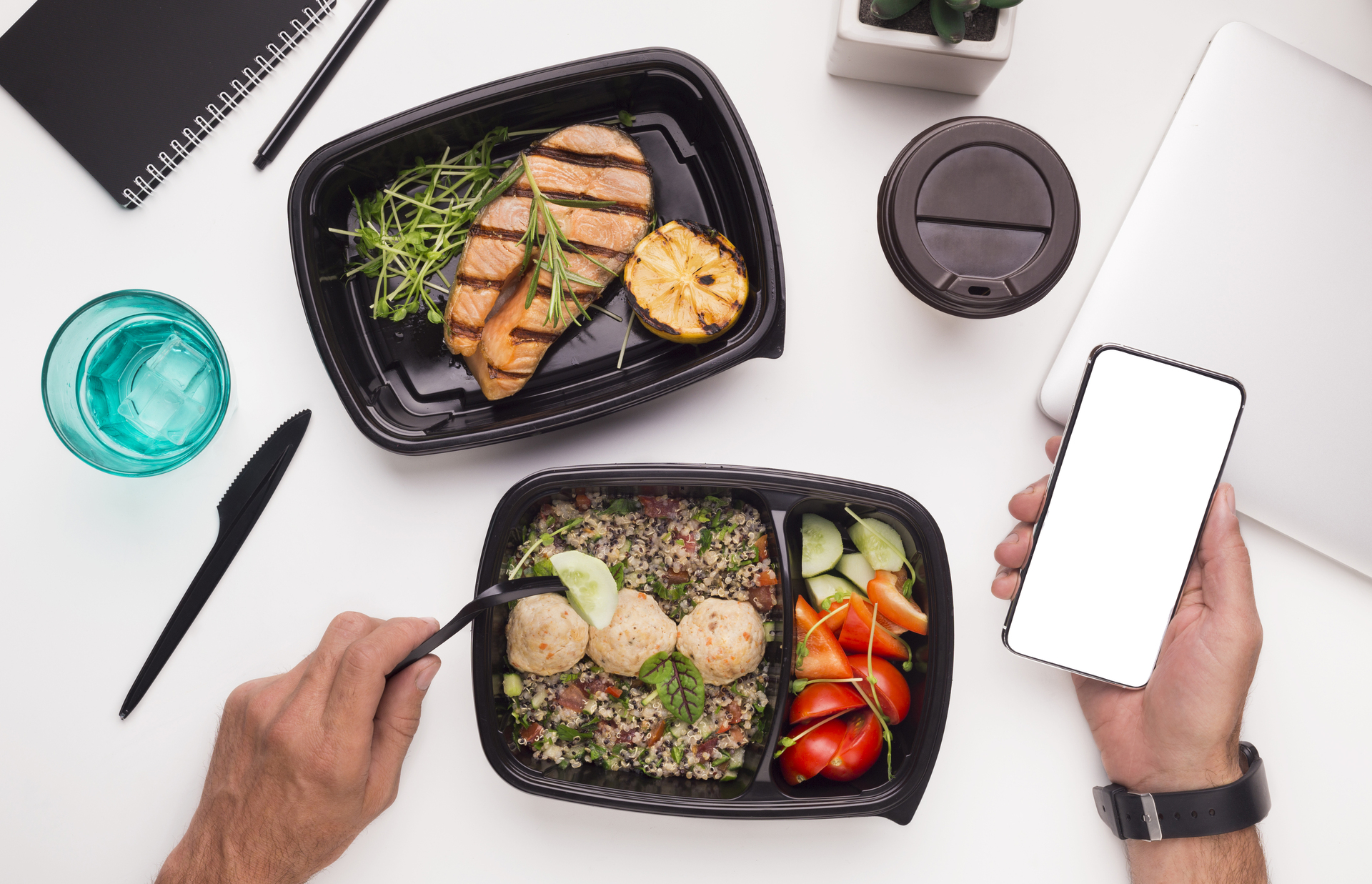
GLP-1 users typically thrive with meals centered around high-quality proteins and vegetables. Grilled fish, roasted chicken, and lean meats prepared with herbs and spices (rather than heavy sauces) tend to be both satisfying and well-tolerated. Starchy sides like potatoes or pasta often feel too heavy and can trigger discomfort.
The focus shifts from avoiding calories to maximizing nutrition density. A smaller portion of high-quality protein with roasted vegetables often provides more satisfaction than larger portions of carbohydrate-heavy dishes that might have been preferred before treatment.
Food waste becomes a real concern when standard restaurant portions are two to three times what GLP-1 users can comfortably consume. Requesting to-go containers at the start of the meal removes any stigma and ensures leftovers are properly packaged. Many users find that sharing entrees or ordering appetizers as main courses works better than trying to finish full-sized plates.
The key is communicating these needs clearly to both servers and dining companions. Most restaurants are happy to accommodate special requests, and friends and family are generally understanding when the situation is explained honestly.
Conscientious diners consider the impact of their changed eating habits on restaurant businesses, especially smaller establishments that depend on higher per-table spending. When dining at local restaurants, some GLP-1 users compensate for smaller food orders by choosing higher-quality options, ordering drinks for the table, or increasing tip percentages.
This consideration helps maintain positive relationships with favorite restaurants while supporting local businesses during the industry's adaptation period. It's about finding ways to contribute to the dining establishment's success even when consuming less food.
The unique challenges facing GLP-1 users have sparked innovation in dining technology. Traditional restaurant apps and websites weren't designed for diners who need to quickly identify high-protein, low-carbohydrate options while avoiding foods that might trigger discomfort.
The Menu Order AI app addresses these challenges directly by using artificial intelligence to scan restaurant menus in real-time. Whether dining in person, ordering delivery, or browsing options while traveling, the app quickly identifies meals that align with GLP-1 dietary needs, including high-protein, low-carbohydrate, and low Weight Watchers point options.
This technology eliminates the guesswork that can make dining out stressful for GLP-1 users. Instead of mentally calculating nutritional content or worrying about hidden ingredients that might cause discomfort, users can confidently identify suitable options within seconds.
Beyond menu scanning, the app offers "Smart Tweaks" suggestions that help users customize orders to better fit their needs. These might include recommendations to skip the bun, substitute sides, or request sauce on the side—modifications that can transform a potentially problematic dish into a GLP-1-friendly meal.
The personalization extends to understanding individual preferences and restrictions within the GLP-1 community. What works well for one user might not suit another, and the technology adapts to these nuanced differences while maintaining focus on the core nutritional principles that benefit most GLP-1 users.
The emergence of specialized dining technology represents a broader trend toward personalized food experiences. As the population of health-conscious diners grows—whether due to medical treatments, fitness goals, or general wellness interests—the demand for tools that simplify healthy dining choices continues to expand.
These technological solutions bridge the gap between individual dietary needs and the restaurant industry's adaptation timeline. While establishments work to modify their offerings, AI-powered tools provide immediate support for diners navigating existing menus with confidence and ease.
The success of such applications suggests that the future of dining will be increasingly personalized, with technology helping match individual needs to available options rather than forcing diners to adapt to one-size-fits-all approaches. This evolution benefits not just GLP-1 users but anyone seeking to make more informed, health-conscious dining decisions.
As GLP-1 usage continues to reshape dining habits across America, both restaurants and diners are finding new ways to adapt to this shift in how we approach food and social eating experiences.


