An East Coast pizza brings thin, foldable crusts with traditional toppings, while the West Coast offers creative ingredients like avocado and artisanal cheeses. From New York’s iconic fold to California’s knife-and-fork approach, both styles reflect their unique cultural heritage and innovation.
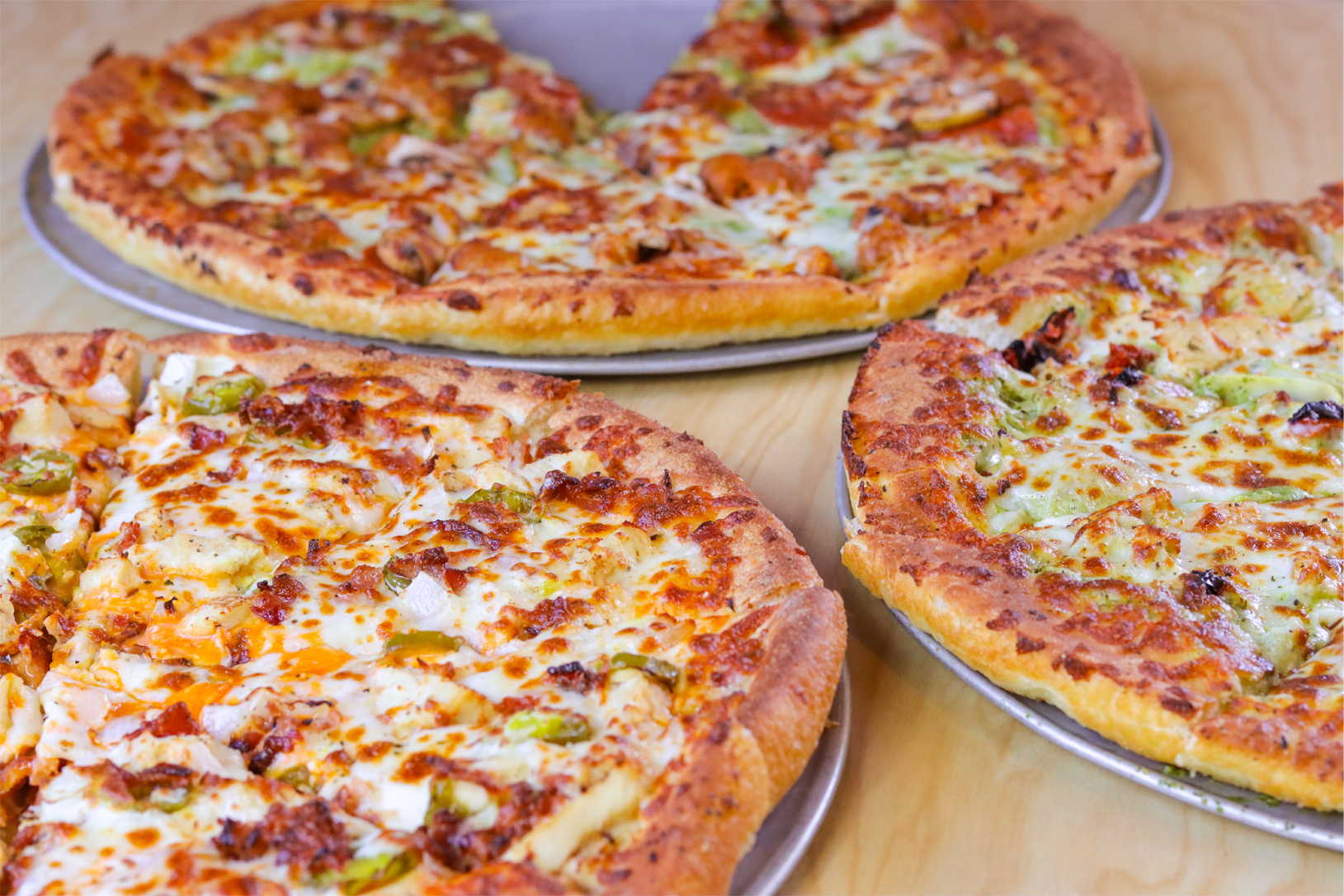
The American pizza divide isn't just geographical—it's a culinary showdown that creates passionate debate among pizza lovers everywhere. Comparing East Coast versus West Coast pizza reveals two different philosophies about what makes the perfect slice. As West Coast chain explains, experimentation and access to fresh ingredients set California-style pizza apart, but that's no reason to discount East Coast pizza either!
America's pizza story changed forever when Italian immigrants brought their recipes to Eastern shores in the early 20th century. Since then, pizza has developed into distinct regional varieties that reflect local preferences and innovations. The East Coast represents tradition and proven techniques, while the West Coast champions creativity and unexpected flavor combinations. These differences go beyond toppings to include crust texture, cheese selection, and even how you're supposed to eat your slice.
When you think of East Coast pizza, you likely picture a New York slice – large, thin, and foldable. This iconic style started in the early 1900s, with Lombardi's in New York City (established 1905) often credited as America's first pizzeria. The New Haven variant, popular in Connecticut, offers a similarly thin but more charred crust, often cooked in coal-fired ovens.
These pizzerias didn't just sell food; they established an American culinary tradition that became synonymous with urban East Coast culture.
The hallmark of East Coast pizza is its distinctive crust – thin enough to fold yet sturdy enough to hold generous toppings. The authentic slice has a slight droop at the tip that requires the famous "New York fold" – a practical eating technique that's now ritual among East Coast pizza fans.
This thin crust creates the perfect base for traditional toppings without becoming soggy, allowing simple ingredients to shine with every bite.
East Coast pizza values simplicity with traditional ingredients. The sauce typically contains tomatoes with minimal seasonings, while the cheese is almost always low-moisture mozzarella, applied carefully to maintain the perfect balance with the sauce.
Toppings stay classic: pepperoni, sausage, mushrooms, bell peppers, or simply plain cheese. This restraint highlights the quality of the basic elements – excellent dough, sauce, and cheese working together in traditional harmony.
West Coast pizza represents a shift from tradition. While East Coast pizza makers perfected their craft, California chefs reimagined pizza entirely. They saw pizza as a blank canvas for culinary experimentation rather than a fixed recipe.
The California style focuses on artisanal ingredients and unexpected combinations. Pizzas are often smaller, individually sized, and eaten with knife and fork rather than folded. This approach shows the West Coast's culinary philosophy of innovation and personal expression.
West Coast pizza moves away from the traditional marinara base. Alternative sauces include garlic-infused olive oil, pesto, creamy alfredo, tangy barbecue, or spicy chipotle. Some West Coast pizzas have no sauce at all, instead using ingredients like ricotta or burrata cheese as a creamy base.
This sauce variety creates new flavor profiles that make the pizza experience distinctly different from its East Coast counterpart.
The crust debate between East and West Coast styles shows fundamentally different approaches. East Coast crusts develop that characteristic chewiness with a crisp exterior. The result is a crust that's pliable yet sturdy enough to fold – the signature move of any New Yorker eating a slice.
West Coast crusts, while also often thin, typically have a different texture. The crust is usually firmer throughout, built to support more elaborate toppings and sometimes eaten with utensils rather than picked up and folded.
The approach to cheese differs between coasts. East Coast pizza traditionally uses low-moisture mozzarella, applied in a measured layer that melts into a consistent blanket over the sauce. The cheese maintains a careful balance with other elements.
West Coast pizzas often feature cheese varieties beyond traditional mozzarella. Goat cheese, fontina, or fresh burrata might appear alone or together. The cheese creates distinct flavor experiences throughout the pizza.
Nothing highlights the regional differences more clearly than how people eat their pizza. The East Coast slice is meant to be folded lengthwise—a practical solution for eating on the go that defines New York pizza culture.
West Coast pizza, with its many toppings and different construction, often requires utensils. The personal-sized format common on the West Coast creates a different dining experience than the grab-and-go tradition of East Coast slices.
America's pizza story starts with Italian immigrants arriving in Eastern seaport cities in the late 19th and early 20th centuries. They brought traditional recipes from their homeland, adapting them to local ingredients while keeping their culinary heritage.
Lombardi's opening in 1905 marked the official beginning of American pizza history. As Italian communities grew in cities like New York, Boston, and Philadelphia, pizza became part of East Coast urban culture. The post-WWII period saw pizza's popularity grow nationwide, though regional styles kept their distinct characteristics.
The West Coast pizza approach grew alongside the California cuisine movement that valued local, seasonal ingredients and new approaches to traditional foods. This mindset fit perfectly with pizza's adaptable nature.
California-style pizza became known for its non-traditional, gourmet toppings that reflected the state's agricultural variety and multicultural influences. This approach changed pizza from a simple staple to a canvas for culinary creativity.
The East Coast versus West Coast pizza debate comes down to personal preference and what you value in your pizza experience. East Coast traditionalists value the harmony of simple, quality ingredients and techniques refined over generations. The fold-friendly slice represents pizza in its most iconic American form.
West Coast fans celebrate innovation, variety, and personal expression through pizza. The California approach treats pizza as a sophisticated food platform for showcasing diverse ingredients and flavor combinations.
Both styles have their merits, and many pizza lovers enjoy them for different occasions or moods. Whether you prefer the classic simplicity of an East Coast slice or the creative expression of West Coast pizza, America's diverse pizza options offer something for everyone.
Westside Pizza in Colfax, WA combines the best elements of America's pizza traditions, offering a delicious experience no matter which coast's style you prefer.


