Recording in your spare bedroom or basement? You might think condenser microphones are always better for studio work, but the Shure SM7B’s popularity among professionals proves dynamic mics can deliver superior results in untreated spaces.
The debate between dynamic and condenser cardioid microphones has puzzled home studio owners for years. While conventional wisdom suggests condenser microphones are superior for studio recording, real-world experience tells a different story. The truth is that both microphone types can deliver professional results when matched to the right recording environment and application.
Recording environment stands as the single most important factor when choosing between dynamic and condenser cardioid microphones. This fundamental truth challenges the common assumption that condenser microphones are automatically better for studio work. Many home studio owners discover that their untreated spare bedroom or basement setup actually works better with a dynamic microphone, despite spending significant money on expensive condenser models.
The acoustic characteristics of a recording space directly influence how each microphone type performs. Condenser microphones capture everything in their environment - including unwanted reflections, air conditioning hum, and traffic noise from outside. Dynamic microphones, by contrast, focus more tightly on the sound source directly in front of them, naturally filtering out many environmental challenges that plague home recordings.
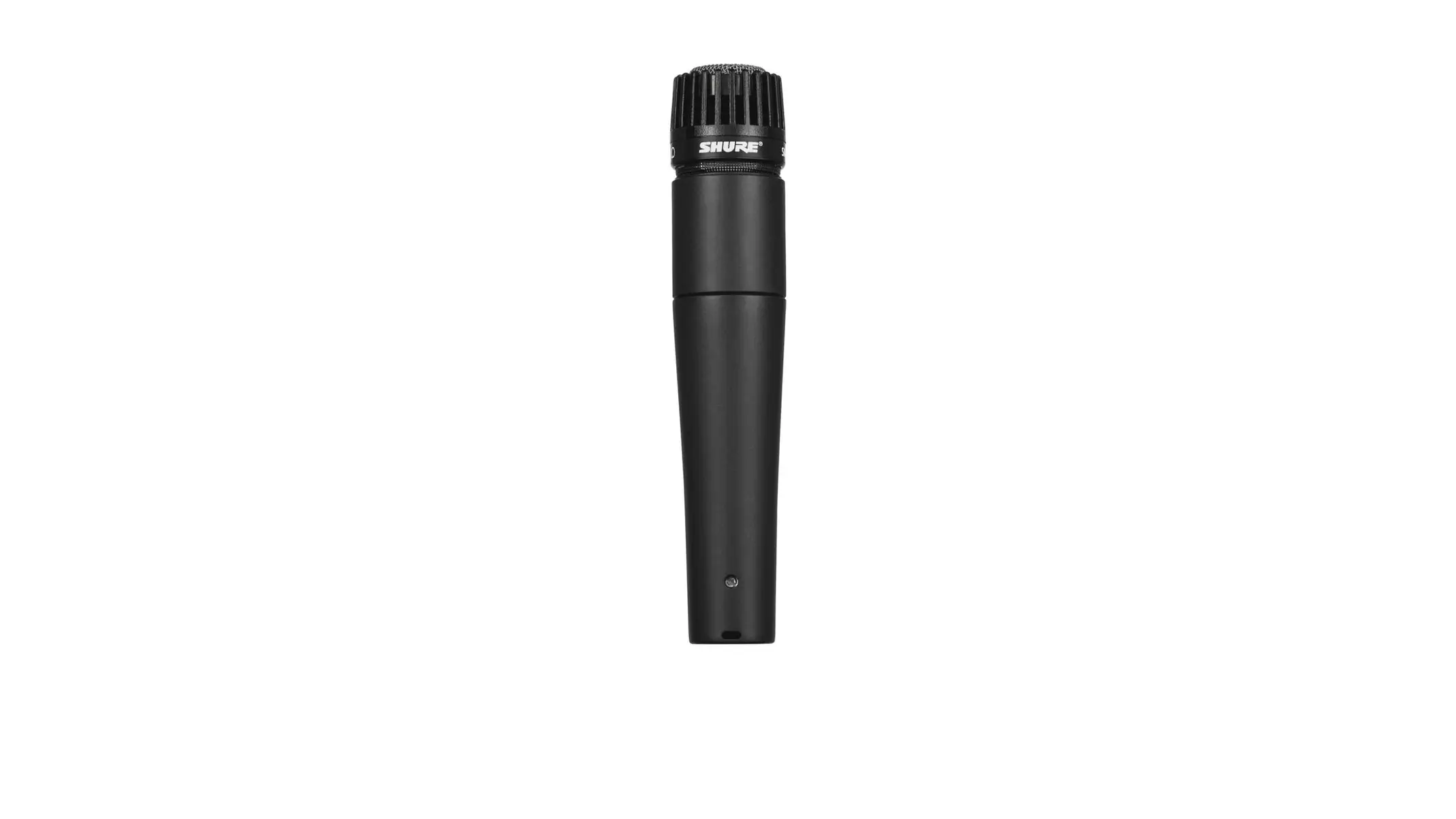
Professional studios invest thousands of dollars in acoustic treatment specifically to create environments where condenser microphones can shine. Home studio owners often lack this luxury, making dynamic microphones a more practical choice. Gear Experts at Sam Ash say the Shure SM57 dynamic microphone is a versatile option and a popular entry point for home recordists, particularly for recording instruments like guitar amps, offering good results without the environmental demands of condenser microphones.
Dynamic microphones thrive in acoustically challenging spaces that would cause condenser microphones to sound harsh and unnatural. The less sensitive nature of dynamic microphones naturally reduces the pickup of early reflections - those immediate sound bounces off walls, ceilings, and furniture that give away the amateur nature of many home recordings. This characteristic allows vocalists to achieve intimate, professional-sounding recordings even in spare bedrooms or basement studios.
The tighter pickup pattern of dynamic microphones also means less room sound gets captured during recording. This focused approach eliminates the need for extensive acoustic treatment while still delivering clean, usable vocal tracks. Many successful podcasters and YouTubers rely on dynamic microphones specifically because they can record in normal rooms without the telltale signs of poor acoustics.
Background noise presents a constant challenge for home studio owners, from air conditioning units and computer fans to neighborhood activity and traffic. Dynamic microphones demonstrate remarkable immunity to these environmental distractions that would otherwise ruin condenser microphone recordings. This noise rejection allows recording sessions to continue even when perfect silence isn't achievable.
The lower sensitivity of dynamic microphones means they require the sound source to be closer and more direct, naturally discriminating against distant noise sources. This proximity effect actually works to the advantage of most home recording situations, where the goal is capturing clear vocals or instruments without the acoustic signature of the recording space.
The Shure SM7B stands as perhaps the most compelling evidence that dynamic microphones belong in serious recording applications. This legendary broadcast microphone has found widespread adoption among recording artists, podcasters, and home studio enthusiasts who demand professional results. The SM7B's smooth, flat frequency response captures vocals with remarkable clarity while maintaining the noise rejection benefits of dynamic microphone technology.
Professional recording studios increasingly stock the SM7B alongside their collection of expensive condenser microphones, recognizing its unique ability to tame harsh vocals and deliver consistently professional results. The microphone's internal shock mounting and pop filter reduce handling noise and plosive sounds, making it exceptionally user-friendly for both experienced engineers and home recording enthusiasts.
Condenser microphones reveal every acoustic flaw in a recording environment, making proper room treatment essential for professional results. These sensitive microphones capture not just the intended sound source but also early reflections, ambient noise, and acoustic colorations that can make recordings sound amateurish. Without adequate acoustic treatment, condenser microphones often create more problems than they solve in home studio environments.
The high sensitivity that makes condenser microphones excellent for capturing subtle musical details also makes them unforgiving of acoustic imperfections. Reflective surfaces, parallel walls, and inadequate bass trapping all contribute to recordings that sound boxy, harsh, or overly reverberant. Professional studios address these issues with thousands of dollars worth of acoustic treatment - an investment that many home studio owners cannot justify.
When used in properly treated environments, condenser microphones excel at capturing the subtle nuances and frequency details that define professional recordings. Their extended frequency response and superior transient response reveal the breathiness in a vocal performance, the subtle overtones of acoustic instruments, and the spatial characteristics that add depth and dimension to recordings.
This exceptional detail capture makes condenser microphones the preferred choice for recording acoustic instruments like piano, acoustic guitar, and orchestral instruments where capturing the full frequency spectrum is essential. The sensitivity of condenser microphones allows them to pick up quiet sounds and subtle variations that dynamic microphones might miss, making them invaluable for genres that depend on acoustic authenticity.
The Rode NT2-A exemplifies the versatility of modern condenser microphones, featuring switchable polar patterns including cardioid, omnidirectional, and figure-8 configurations, though it performs best in acoustically treated environments. This flexibility allows recording engineers to adapt the microphone's pickup characteristics to different recording situations, from focused vocal capture to ambient room recording or mid-side stereo techniques.
Advanced features like high-pass filtering and attenuation pads make the NT2-A suitable for a wide range of sound sources, from delicate acoustic instruments to loud guitar amplifiers. However, these capabilities require both technical knowledge and proper acoustic environments to realize their full potential, highlighting the demanding nature of condenser microphone applications.
The cardioid polar pattern creates a heart-shaped pickup area that captures sound primarily from the front of the microphone while gradually reducing sensitivity toward the sides and rear. This directional characteristic proves invaluable in both live and studio applications, allowing engineers to focus on desired sound sources while minimizing pickup of unwanted noise or other instruments in the recording space.
Both dynamic and condenser microphones often utilize cardioid patterns, which are characterized by their heart-shaped sensitivity, though the implementation differs between the two technologies. Dynamic cardioid microphones tend to have slightly tighter patterns, contributing to their noise rejection capabilities, while condenser cardioid microphones often maintain more sensitivity at the pattern edges, requiring more careful positioning and acoustic control.
The rear rejection characteristics of cardioid microphones make them particularly effective at reducing unwanted sounds that originate behind the microphone. This natural noise rejection works especially well in home studio environments where controlling all sound sources may be impossible. Positioning cardioid microphones so that noise sources fall within the rejection zones can dramatically improve recording quality.
Stage monitors, air conditioning units, computer fans, and other consistent noise sources can be effectively minimized by proper cardioid microphone placement. This directional advantage allows recording in less-than-perfect environments while maintaining professional sound quality, making cardioid patterns essential for most home studio applications.
The typical home studio - a spare bedroom, basement, or converted garage - presents significant acoustic challenges that favor dynamic microphones. Hard surfaces, parallel walls, and minimal acoustic treatment create an environment where condenser microphones often capture more problems than musical detail. Dynamic microphones excel in these spaces by focusing on the sound source while naturally rejecting problematic room acoustics.
Recording in untreated spaces requires microphones that work with the environment rather than against it. Dynamic microphones allow home recordists to achieve professional-sounding vocals and instruments without investing in expensive acoustic treatment. The proximity effect of dynamic microphones actually helps by encouraging closer microphone positioning, which naturally improves the direct-to-reflected sound ratio.
Professionally treated recording spaces with proper acoustic design, bass trapping, and controlled reverberation times create ideal environments for condenser microphones to showcase their capabilities. In these controlled environments, the sensitivity and frequency response of condenser microphones capture nuanced performances with exceptional clarity and detail.
The investment in acoustic treatment pays dividends when using condenser microphones, as the controlled environment allows these sensitive instruments to capture the full frequency spectrum without unwanted coloration. Professional studios design their rooms specifically to complement condenser microphone characteristics, creating synergy between the acoustic space and the recording equipment.
Apartment recording presents unique challenges including thin walls, nearby neighbors, street noise, and HVAC systems that make condenser microphones problematic for many applications. The sensitivity of condenser microphones means they capture not just the intended performance but also footsteps from upstairs, traffic from outside, and mechanical noise from building systems.
Dynamic microphones offer apartment dwellers the ability to record at reasonable volumes without capturing excessive environmental noise. The focused pickup pattern and reduced sensitivity allow for recording sessions that won't disturb neighbors while still producing professional-quality results. Late-night recording sessions become possible with dynamic microphones in ways that would be impossible with sensitive condenser models.
The choice between dynamic and condenser cardioid microphones ultimately comes down to matching the microphone technology to the recording environment and application. Home studio owners working in untreated spaces will generally achieve better results with dynamic microphones, while those with properly treated rooms can take advantage of condenser microphone sensitivity and detail.
Budget considerations also play a role, as dynamic microphones typically offer more forgiving performance in challenging environments, making them better investments for beginning recordists. Professional results are achievable with both technologies when properly matched to their ideal applications. The key is understanding that expensive doesn't always mean better - the right tool for the specific job will always outperform the wrong tool, regardless of price.
Successful recording depends more on understanding these fundamental relationships between microphone technology and acoustic environment than on owning the most expensive equipment. Both dynamic and condenser cardioid microphones have earned their place in professional recording, each excelling in the applications where their characteristics provide the greatest advantage.
For microphone selection and expert guidance on building your ideal recording setup, visit the extensive collection and resources available at Sam Ash, where music professionals have trusted for decades to find the right equipment for their creative needs.


