Millions of Americans treat their burning, red eyes wrongly for months, making symptoms worse instead of better. The confusion between dry eye disease and eye allergies leads to ineffective self-treatment. Understanding one key symptom difference changes everything about finding relief that actually works.
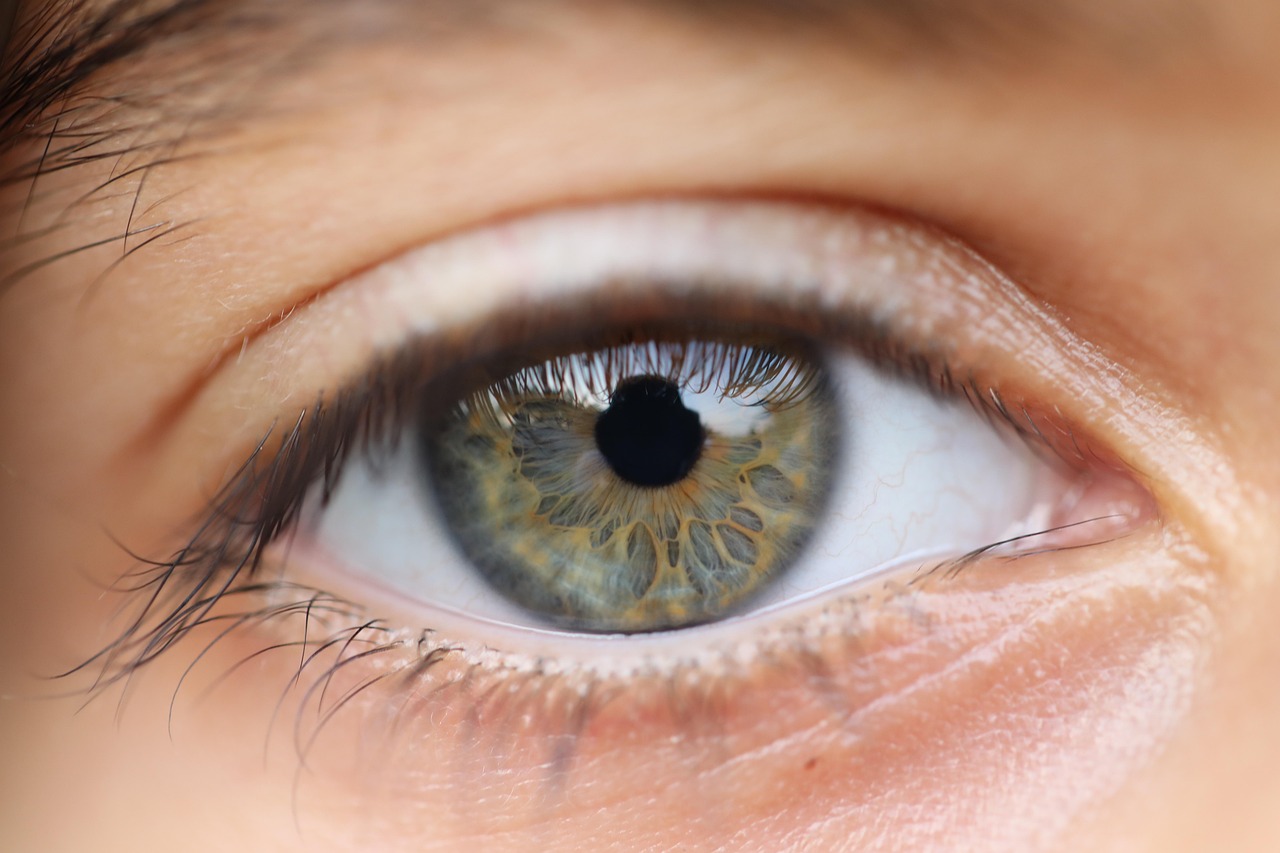
Over 16 million Americans have dry eye disease, but many treat themselves for allergies instead. The eye care specialists at A2Z Eyecare P.C say mixing up these two conditions happens all the time since they feel so similar.
Both problems cause red, burning eyes and light sensitivity, but they happen for totally different reasons inside your body. That's why allergy drops don't help dry eyes, and artificial tears won't fix allergies, no matter how many times you use them.
When you have dry eyes, your tears aren't working right because you either don't make enough of them or they're of poor quality. Your tears need three layers to work properly - oil, water, and mucus - and if any layer has problems, your eyes get dry and uncomfortable. Things like getting older, taking certain medicines, staring at screens too long, or having blocked oil glands in your eyelids can all mess up your tears.
Allergies are completely different because they happen when your body fights off harmless things like pollen or pet hair. Your immune system goes into overdrive and releases chemicals that make your eyes swell up, turn red, and water like crazy. This same reaction is why people with eye allergies often have stuffy noses and sneeze a lot at the same time.
If your eyes itch like crazy and you can't stop rubbing them, you probably have allergies rather than dry eyes. The itching from allergies is intense and constant, making you want to rub your eyes all day long, and it usually hits both eyes at the same time. When you're around certain triggers like cats or during pollen season, the itching gets even worse.
Dry eyes feel completely different - more like you have sand or dirt stuck in your eyes that won't come out. People with dry eyes talk about burning, stinging feelings that get worse as the day goes on, especially after working on a computer. You might get some mild itching with dry eyes, but nothing like the intense itching that comes with allergies.
When you have eye allergies, your eyelids get puffy and swollen, and you might get dark circles under your eyes. Your eyes water constantly with thin, clear tears that run down your face, and everything gets worse during certain times of the year. Many people notice their eye problems go away when they travel somewhere with different plants or stay inside with the windows closed.
Dry eyes show up differently - your eyes feel tired and worn out after reading or watching TV for a while. Your vision gets blurry but clears up for a moment when you blink hard a few times. Instead of watery tears, you might have thick, stringy gunk around your eyes, and air conditioning or heating makes everything feel worse.
When you use allergy eye drops but actually have dry eyes, you're making the problem worse because these drops reduce tear production. Allergy drops stop itching by blocking certain chemicals, but they also dry out your eyes even more as a side effect. People often keep using more and more allergy drops, wondering why their eyes feel worse instead of better.
On the flip side, using artificial tears when you have allergies is like putting a Band-Aid on a broken bone. Sure, the tears might wash away some pollen for a few minutes, but they don't stop your body's allergic reaction. You end up going through bottles of eye drops without getting real relief because you're not treating the actual problem.
Eye doctors have special equipment that shows them things you could never see on your own about your eye health. They can measure how many tears you make, watch how fast your tears dry up, and see if your oil glands are blocked. They can spot swelling patterns that show whether you have allergies, dry eyes, or both problems happening together.
Getting checked by a professional also rules out more serious problems that feel like dry eyes or allergies but aren't. Some people have infections, immune system problems, or reactions to medicines that need different treatments entirely. Catching these problems early means you can fix them before they cause lasting damage to your eyes.
To beat eye allergies, you need to both treat the symptoms and avoid the things that trigger them in the first place. Antihistamine eye drops stop the itching and watering fast, and if your nose is stuffy too, allergy pills can help your whole body. Really bad allergies might need stronger prescription drops for a short time to calm down the swelling.
Keeping allergens away from your eyes makes a huge difference - use air filters at home, keep windows shut when pollen is high, and wash your sheets in hot water every week. Try not to rub your eyes even when they itch because rubbing makes the swelling worse and can push more allergens into your eyes. Starting allergy medicine before your bad season begins works better than waiting until you're already miserable.
Treating dry eyes starts with adding moisture back using artificial tears several times a day, choosing preservative-free kinds that won't irritate your eyes. If your oil glands are blocked, putting warm washcloths on your closed eyes and gently rubbing your eyelids helps get the oils flowing again. Your eye doctor might give you prescription drops that help you make more tears or reduce swelling in your tear glands.
Small daily changes add up to big improvements - remember to blink more when using screens, run a humidifier when the air is dry, and eat foods with omega-3s like fish. Some people need tiny plugs put in their tear ducts to keep tears from draining away too fast. Special contact lenses that hold moisture can help people with really bad dry eyes who haven't gotten better with drops alone.
Having allergies and dry eyes together creates a tricky situation because treating one problem can make the other worse. Allergy medicines dry out your eyes, but if you stop taking them, the allergy symptoms come back full force. People with both conditions need treatment plans that carefully balance fixing both problems without making either one worse.
This usually means using special preservative-free allergy drops that are gentler on dry eyes, or taking allergy pills that don't affect tears as much. You might need different treatments at different times of year - stronger allergy control during spring and fall, more dry eye care during winter when heaters dry out the air. Working with an eye doctor who understands both conditions helps you adjust your treatment as your symptoms change.
The path to fixing your eye problems starts with finding out what's actually wrong instead of playing guessing games with drugstore eye drops. Even though dry eyes and allergies feel similar and both make your life difficult, knowing which one you have leads to treatments that actually work. Getting your eyes checked becomes really important if you've been trying different drops for weeks without improvement or if your eyes hurt too much to work or drive.
The good news is that both problems get much better with the right treatment, and most people find relief once they stop guessing and start treating the real cause. No matter if you're dealing with springtime allergies, year-round dry eyes, or both problems together, eye care specialists can create a treatment plan that helps your eyes feel comfortable again and stay healthy for years to come.


