Choosing the wrong drilling technique wastes thousands while delivering contaminated samples that hide valuable deposits. Rock hardness, formation stability, and water availability all determine which method extracts accurate geological data without breaking budgets or destroying evidence of profitable ore bodies beneath the surface.
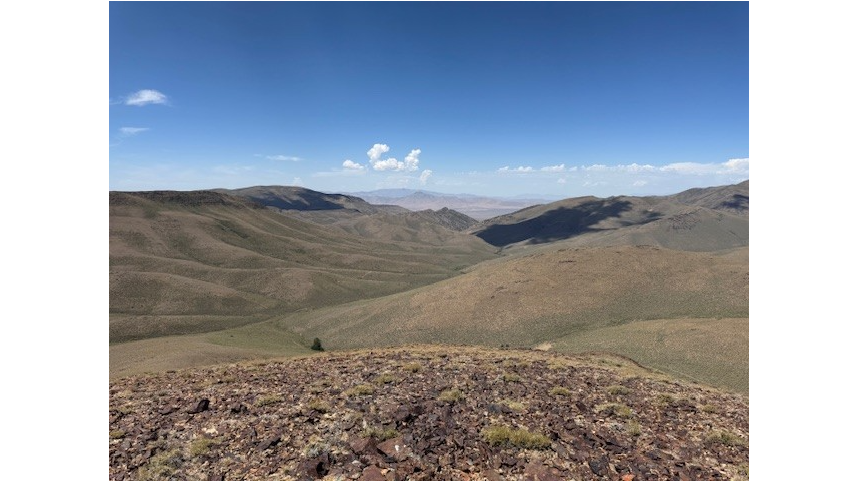
Finding valuable mineral deposits thousands of feet underground takes more than expensive equipment and luck. exploring remote desert terrain drill hundreds of test holes, and picking the wrong method wastes months while delivering samples too damaged to analyze, says a Nevada-based expert from Element79 Gold Corp.
The gap between finding a profitable deposit and walking away from a worthless site depends on matching drilling techniques to rock conditions. Here's what separates successful exploration programs from expensive failures.
"Exploration managers often choose drilling methods based on what contractors have available instead of what the geology actually needs," Element79 Gold Corp adds. "This shortcut leads to slower drilling, ruined samples, and incomplete data that forces teams to drill the same holes twice."
Granite and basalt wreck drill bits are meant for softer rock, while loose sand collapses into holes drilled without the right support. Teams usually discover these problems after spending thousands of dollars on drilling that produces nothing useful.
The issue gets worse when companies try using one drilling method across different rock types. Methods that work great in solid sandstone fail when the drill hits broken metamorphic rock or unexpected water zones that wash samples away.
Rotary drilling spins a drill bit attached to connected pipes that reach deeper as the hole progresses through rock layers. Fluid pumps down through the pipes constantly, cooling the bit while bringing broken rock pieces back up for study.
This approach works in almost any rock by switching between bit types, from toothed rollers for soft layers to diamond bits for hard stone. That flexibility makes rotary drilling useful early on when teams don't know the rock types that lie beneath the surface.
The circulating fluid keeps loose or cracked rock from caving into the hole while preventing bits from getting too hot. However, the drilling mud can mix with rock samples and sometimes hides subtle mineral signs that matter for accurate estimates.
Core drilling spins a hollow tube bit that cuts around rock, leaving a solid cylinder inside for pulling up and examining. These cores keep the rock structure intact, showing exactly how minerals spread through layers and whether ore quality stays consistent.
Scientists cut cores lengthwise to check mineral content, measure grades, and spot geological features that show if deposits go deeper or extend sideways. Diamond-coated bits cut through extremely hard rock that would destroy regular bits, though they cost more and need careful handling.
This method works best when projects need exact geological facts for calculating resources, testing processing methods, or deciding if a deposit justifies building a mine. Cores also provide material for lab tests that determine how to extract minerals efficiently.
Reverse circulation drilling pushes air down the outside of a double-walled pipe while rock chips travel up the inner tube straight to the surface. This setup stops contamination from surrounding rock and delivers chips that accurately show what's at each depth without mixing.
The method drills faster than traditional approaches because high-pressure air breaks rock well while clearing debris without stopping to change fluid or clean tools. Desert exploration benefits especially from reverse circulation because it uses way less water than regular methods, needing thousands of gallons per hole.
Sample quality stays high because the dual-pipe system keeps rock chips away from hole walls or fluids that might add contamination. Geologists depend on this accuracy when making early resource guesses or deciding whether deposits need more expensive core drilling for detailed facts.
Percussion drilling breaks rock by hitting it repeatedly with a heavy hammer, either from the surface using cables or with a hammer right behind the bit. The hammer delivers strong impacts that crack hard, brittle rock where rotary drilling might struggle to make good progress.
Down-hole hammers work especially well in fractured or very solid rock, where the pounding action breaks material efficiently without extreme downward force that might wreck equipment. The method makes rock chips instead of solid cores, which limits detailed study but gives enough information for many early exploration programs.
Soft rocks like sandstone and limestone allow faster drilling with cheaper equipment, while hard granite and metamorphic rocks need tough bits with diamond or carbide cutting edges. Moving between different rock types during drilling often damages equipment or slows work when contractors use bits made for only one type.
Rough minerals inside rocks speed up bit wear no matter how hard the overall formation is, forcing more bit changes that add time and cost. Exploration managers need geological maps and old drilling records to guess what rock they'll hit and pick the right equipment before starting.
Loose materials like sand and weathered rock cave into holes unless drilling methods include support through pipes, special fluids, or techniques that disturb less material. Cracked rock zones let drilling fluid leak into cracks instead of coming back up with samples, creating problems that stop progress.
Drilling through dissolved limestone creates unpredictable empty spaces where bits suddenly drop several feet or fluid vanishes into underground caves. These tough conditions need modified techniques, special materials to plug problem zones, and sometimes completely different drilling approaches partway through.
Projects looking for large mineral trends across wide areas often use faster, cheaper methods that give basic geological facts without the detail needed for mining studies. Once promising zones appear, programs typically switch to core drilling that pulls samples good enough for detailed mineral tests and processing studies.
Environmental studies need undisturbed samples that keep natural rock structure, moisture, and strength properties for lab testing. Regular exploration drilling that breaks rock into tiny pieces can't meet these special needs without major changes or totally different approaches.
Limited water across mining areas makes reverse circulation drilling attractive because it runs well with little water compared to traditional mud systems. Extreme temperature swings between day and night affect how equipment performs and create tough conditions that impact drilling speed and sample quality.
Remote locations far from paved roads increase setup costs and make breakdowns more expensive because replacement parts and repair workers need hours or days to arrive. Companies factor these transport challenges into choosing methods alongside the technical rock considerations.
Drilling permits often list acceptable methods based on possible environmental effects, especially around water use, fluid disposal, and ground disturbance in protected areas. Some exploration zones restrict certain techniques to protect groundwater or reduce surface damage in areas with important cultural or biological features.
Insurance requirements and cleanup obligations change depending on drilling methods, locations, and how many holes are planned across properties. Understanding these rules before picking contractors prevents delays and keeps projects following state and federal oversight requirements.
Detailed geological research using maps, old drilling results, and geophysical surveys helps teams guess underground conditions before drilling starts. This prep allows accurate equipment choices, realistic budgets, and backup plans for unexpected challenges that regularly pop up during fieldwork.
Picking experienced contractors with proper equipment for expected rock conditions costs more upfront, but usually saves money by avoiding delays, ruined samples, and re-drilling expenses.
Organized sample collection, records, and tracking procedures make sure rock samples truly represent underground geology and stay clean during handling and transport to labs. Poor sample handling undermines expensive drilling by introducing mistakes that wreck resource estimates and waste thousands in lab fees.
Regular equipment checks, bit inspections, and drilling monitoring help spot developing issues before they cause failures or hurt sample quality. Skilled drillers recognize small changes in performance that signal rock changes, equipment wear, or technical troubles needing quick attention.
Successful mineral exploration matches drilling methods to rock conditions, sample needs, and budgets while handling transport challenges and rules. The right approach delivers accurate geological facts that support smart investment choices about whether deposits justify moving toward development and production.


