Miami-Dade’s aging sewer infrastructure—some pipes dating back 100 years—combined with aggressive palm tree roots and shifting sandy soil creates a perfect storm for costly underground failures. But there are specific warning signs that can save you thousands in emergency repairs.
Key Takeaways:
Miami-Dade homeowners face unique challenges when it comes to sewer line health. The combination of aging infrastructure, aggressive tropical vegetation, and shifting soil conditions creates a perfect storm for underground pipe problems. Understanding when to schedule a camera inspection can save thousands in emergency repairs and protect both property and family health.
Parts of Miami-Dade County's sewer infrastructure date back 50-100 years, creating conditions where pipe failures and hidden damage can occur. Many residential areas still rely on cast iron and clay pipes installed decades ago, long before modern materials and installation techniques became standard. These aging systems weren't designed to handle today's household demands or withstand the unique environmental pressures of South Florida.
Cast iron pipes, once the gold standard for sewer lines, now corrode from the inside out. Miami's coastal environment and soil conditions accelerate cast iron pipe deterioration through internal corrosion. The metal deteriorates faster in coastal environments, creating rough internal surfaces that trap debris and accelerate blockages. Eco 1 Plumbing LLC notes that understanding these aging pipe materials is vital for Miami homeowners planning preventive maintenance strategies.
Clay pipes face different challenges but equally serious consequences. While naturally resistant to chemical corrosion, they crack under pressure from shifting soil and become vulnerable to root intrusion. These cracks start small but expand over time, allowing tree roots to penetrate and create devastating blockages. The result is a ticking time bomb beneath Miami yards, waiting for the right conditions to cause major failures.
Recognizing early warning signs prevents minor issues from becoming major disasters. Miami homeowners should never ignore these critical indicators that suggest serious sewer line problems lurking underground.
When sinks, showers, and toilets throughout the house drain sluggishly at the same time, the problem extends beyond a single fixture. This pattern indicates a blockage or restriction in the main sewer line rather than individual drain issues. Unlike isolated clogs that affect one area, widespread slow drainage suggests tree roots, collapsed pipes, or significant debris accumulation in the primary line.
The problem often starts subtly. Homeowners might notice their kitchen sink takes slightly longer to empty, or the bathroom shower seems to hold water briefly after use. As the underlying issue worsens, multiple areas begin showing symptoms simultaneously. This progression from isolated incidents to house-wide problems signals that professional camera inspection is needed immediately.
Foul sewage smells emanating from drains or detected in yard areas indicate dangerous sewer gas escape. These odors don't just signal plumbing problems—they represent serious health hazards that can affect indoor air quality and family wellbeing. Hydrogen sulfide and other toxic gases can cause headaches, respiratory issues, and other health complications when allowed to accumulate.
The smell typically becomes more noticeable during humid Miami weather when atmospheric pressure changes affect how gases travel through compromised pipe systems. Homeowners might initially dismiss occasional odors as temporary issues, but persistent smells require immediate professional attention. Camera inspection reveals whether cracks, loose joints, or damaged venting systems allow dangerous gases to escape into living spaces.
Sewage leaks create distinctive landscape patterns that alert observant homeowners to underground problems. Nutrient-rich wastewater acts as fertilizer, causing grass to grow faster and appear more vibrant green in specific areas above damaged pipes. These patches contrast sharply with surrounding lawn areas and often coincide with soft or spongy soil conditions.
Yard depressions or sinkholes develop when leaked sewage saturates and weakens soil structure. The ground becomes unstable and settles, creating noticeable low spots or actual holes in lawn areas. These warning signs indicate active sewage leaks that require immediate attention before structural damage affects foundations or creates environmental health hazards.
Strange gurgling or bubbling noises from toilets, sinks, or floor drains indicate air trapped in damaged sewer systems. When pipes crack or shift out of alignment, air pockets form and create distinctive sounds as water attempts to flow past obstructions. These auditory warnings often accompany other symptoms but sometimes appear first, giving homeowners early notice of developing problems.
The sounds typically occur after flushing toilets or draining large amounts of water from sinks or showers. As trapped air tries to escape through the system, it creates the characteristic gurgling noise that distinguishes sewer line issues from simple drain clogs. Ignoring these sounds allows problems to worsen until major backups or failures occur.
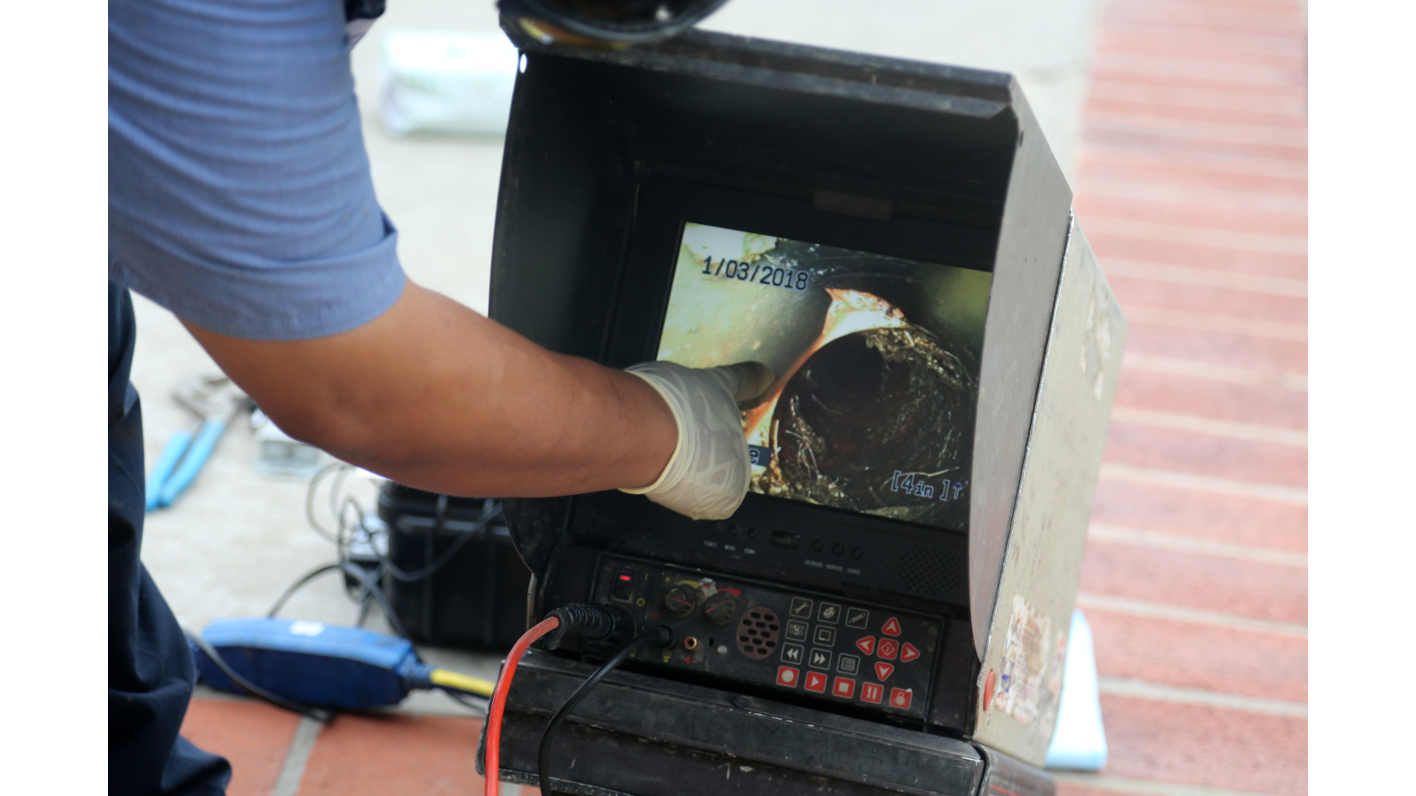
Professional camera inspections provide detailed visual evidence of underground conditions that cause surface symptoms. Understanding common findings helps homeowners appreciate why early detection saves significant money and prevents emergency situations.
Tree root intrusion represents the most common and destructive sewer line problem in Miami-Dade. Roots naturally seek moisture and nutrients, making cracked or leaking sewer pipes irresistible targets. Once roots find entry points through small cracks or loose joints, they grow rapidly inside pipes, creating dense webs that trap debris and completely block sewage flow.
Palm trees, ficus, and other common Miami landscaping species have particularly aggressive root systems that can travel impressive distances underground. These roots don't just create blockages—they actively widen existing cracks and create new damage as they expand. Camera inspections reveal the extent of root invasion and help determine whether cleaning, repair, or full replacement is necessary.
Miami's coastal environment accelerates cast iron pipe deterioration through a process that's often invisible from the outside. Salt air, high humidity, and chemical reactions cause internal corrosion that gradually narrows pipe diameter and weakens structural integrity. The smooth internal surface becomes rough and pitted, creating ideal conditions for debris accumulation and bacterial growth.
Camera inspections reveal corrosion severity and help predict remaining pipe lifespan. Homeowners often find that pipes appearing fine externally have lost significant internal diameter to rust and scaling. This hidden damage explains why older homes experience recurring drain problems despite repeated cleaning attempts. Early detection allows for planned replacement rather than emergency repairs when pipes finally fail completely.
Miami's sandy soil and high water table create constant ground movement that stresses rigid sewer pipes. Seasonal rainfall changes, nearby construction, and natural settling cause pipes to shift out of alignment, creating low spots where water and debris collect. These "bellied" sections disrupt normal flow patterns and become chronic problem areas.
Camera inspections clearly show pipe alignment issues that explain persistent backup problems. Offset joints, sagging sections, and completely separated pipe segments appear as obvious visual evidence on inspection footage. Understanding these structural problems helps homeowners make informed decisions about repair methods and prevents recurring issues that resist conventional drain cleaning approaches.
South Florida's unique environmental conditions combine to create extraordinary challenges for underground sewer infrastructure. The tropical climate that makes Miami attractive for residents creates perfect conditions for accelerated pipe damage and system failures.
Miami's signature landscaping species present serious threats to sewer line integrity. Palm trees develop extensive shallow root systems that spread far beyond their visible canopy, often reaching sewer lines located dozens of feet away. These roots grow continuously, seeking water sources with remarkable persistence and strength.
Ficus trees pose even greater risks with aggressive root systems capable of lifting sidewalks and breaking through concrete barriers. Their roots grow quickly in Miami's warm, humid conditions and can penetrate surprisingly small openings in pipe joints or hairline cracks. Once established inside sewer pipes, ficus roots form thick mats that are extremely difficult to remove and often require pipe replacement rather than simple cleaning.
Miami-Dade's high water table creates constant pressure on underground infrastructure, causing pipes to shift and settle unpredictably. Sandy soil compounds these problems by providing minimal structural support for heavy sewer pipes, especially during heavy rainfall periods when soil becomes saturated and unstable.
Seasonal water table fluctuations create cycles of pressure and release that gradually stress pipe joints and connections. Over time, this constant movement causes pipes to separate at joints, crack under pressure, or shift out of proper alignment. The result is a constantly changing underground environment that makes sewer line problems almost inevitable without regular inspection and maintenance.
The financial case for preventive sewer camera inspections becomes clear when comparing inspection costs to typical repair expenses. Miami area camera inspections can range in cost depending on several factors, while sewer line repairs can cost several thousand dollars or more for major problems. This dramatic cost difference makes regular inspections a smart financial decision for any homeowner.
Early problem detection allows for targeted repairs rather than emergency replacements. Root intrusion caught early might require professional cleaning, while advanced root damage necessitates pipe replacement costing several thousand dollars or more. Similarly, small cracks identified during routine inspection can often be sealed or lined for reasonable costs, preventing complete pipe failure that requires excavation and full replacement.
Emergency repairs carry premium pricing and often cause additional property damage during urgent excavation work. Planned repairs allow homeowners to compare quotes, schedule work during convenient times, and minimize landscape disruption. The peace of mind from knowing sewer line condition also provides valuable insurance against unexpected expenses and property damage.
Proactive homeowners understand that sewer line health requires regular attention just like other major home systems. Miami's unique challenges make camera inspections especially important for preventing catastrophic failures and protecting property values. The combination of aging infrastructure, aggressive vegetation, and challenging soil conditions creates elevated risks that demand preventive action.
Professional camera inspections provide definitive answers about underground conditions and help homeowners make informed decisions about maintenance and repairs. The detailed video evidence shows exactly what's happening inside pipes, eliminating guesswork and preventing unnecessary work. This information becomes invaluable when planning home maintenance budgets and priorities.
Don't wait for warning signs to appear—schedule a preventive camera inspection to identify potential problems before they become expensive emergencies. Contact Eco 1 Plumbing LLC for sewer line camera inspections and expert guidance on maintaining your Miami-Dade home's underground infrastructure.