Choosing the right leash transforms runs or bike rides into safe, comfortable experiences for both you and your dog. Understanding durability, adjustability, , and proper fit helps prevent injuries while keeping exercise enjoyable and stress-free.
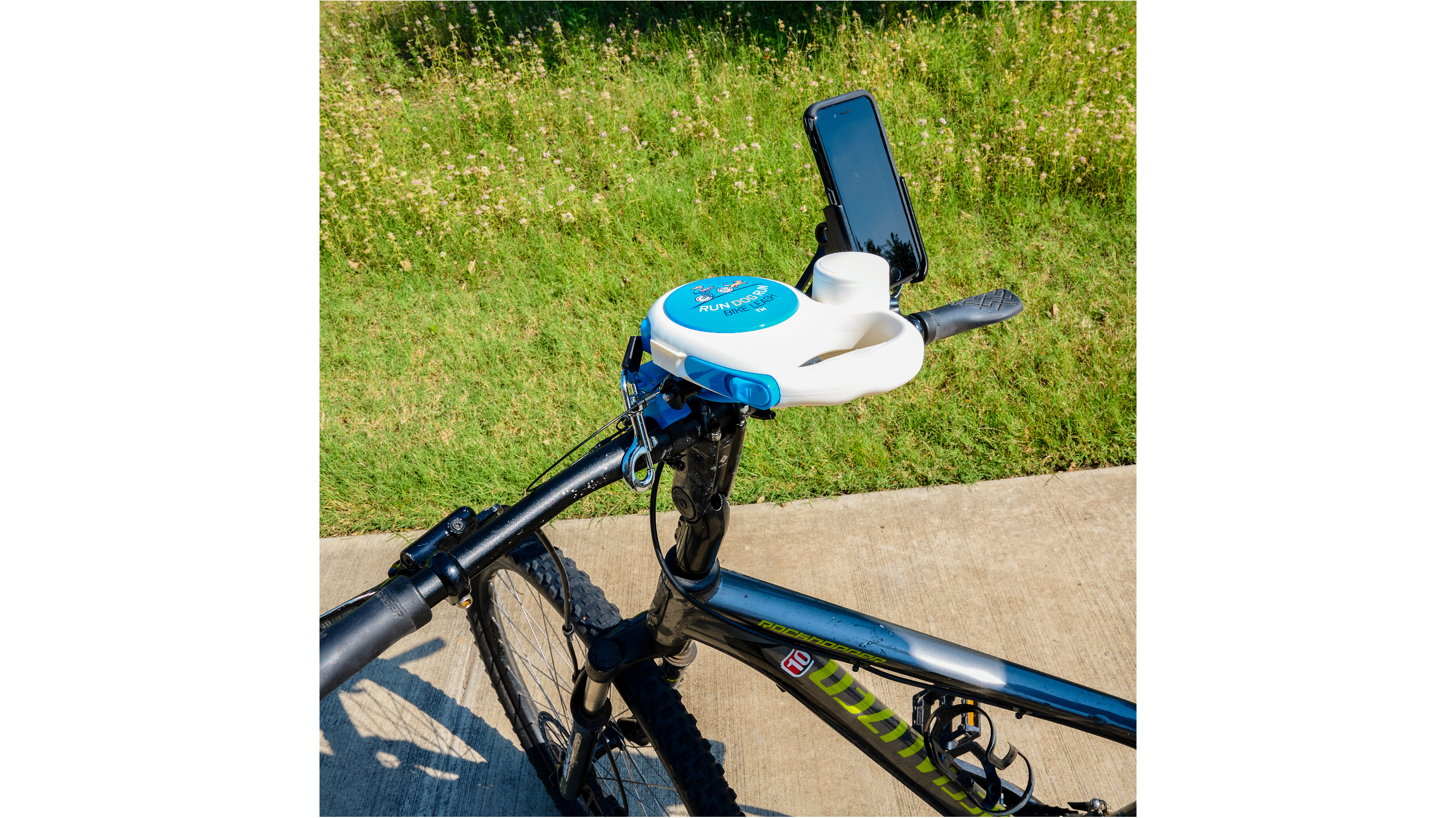
Exercising with your dog is both fun and healthy, but the wrong leash can turn a simple run or bike ride into a struggle or safety hazard. Choosing a leash designed for activity keeps both you and your dog safe and comfortable. Knowing what to look for makes all the difference.
Many dog owners rely on regular walking leashes without realizing how differently dogs behave when running or biking. Standard leashes, tangles, or sudden stops may injure both dog and owner. This guide will walk you through everything from essential features to common mistakes, so your dog can move freely and safely while staying close.
A leash for walking just isn’t built for speed. When running or biking, your dog may pull, dart, or veer, and ordinary leashes don’t handle the stress. Problems include:
Understanding why standard leashes fail shows why investing in activity-specific designs is essential. By the end of this read, you’ll know exactly what features to prioritize for safer, more enjoyable sessions.
When picking a leash for running or biking, focus on the following five key characteristics:
Durability is non-negotiable. Activity leashes face constant motion, friction, and exposure to outdoor elements, so they must be constructed from strong materials. Reinforced stitching and high-quality webbing prevent breakage, while weather-resistant fabrics stand up to rain, mud, or sunlight without fraying. Leash failure during a ride can result in accidents, injuries, or panic for your dog, making durable construction essential for both safety and peace of mind.
A Locking mechanism is a critical feature that improves the experience of biking or running with your dog. Leashes with a locking mechanism allow you to control the distance of your dog at all times, so you maintain to stay balanced and in control on a bike.
Hands-free designs are increasingly popular for active dog owners. When biking, hands must remain on the handlebars, and while running, free arm movement improves balance and rhythm. Leashes that attach around your waist provide hands-free control while allowing your dog to run comfortably.
This feature not only improves safety by preventing awkward jerks or tangles but also enhances posture and reduces arm fatigue, enabling longer and more enjoyable sessions for both owner and pet. Many modern hands-free leashes even include additional safety features, like quick-release attachments, which further protect your dog in terrain conditions.
Adjustable Retractable leash length is essential for maintaining versatility and safety. Different environments require different distances: longer leashes give your dog freedom to run or trot in front or beside you, while shorter leashes provide more precise control near traffic, other dogs, or crowded trails.
The ability to adjust length ensures your dog can move naturally while staying safely within reach, reducing the risk of collisions, tangling, or unexpected encounters with obstacles. Some advanced bike-specific attachments even allow for micro-adjustments mid-ride, letting you respond quickly to changes in terrain or dog behavior.
The leash must suit your dog’s size, strength, and training level. Harness compatibility is critical. Consider your dog’s energy, body type, and familiarity with running or biking, as well as your own size and preferred activity style.
Choosing a leash with these factors in mind prevents injuries and makes the activity enjoyable for both.
Avoiding common errors can save time, stress, and even injury:
Being aware of these mistakes ensures safer sessions and more consistent training results.
No leash is perfect for every situation. Knowing trade-offs helps you make the right choice:
By balancing these factors, you can select a leash that fits your dog’s needs and your activity style.
Even the best leash can’t compensate for a lack of training. Consider these steps:
Training improves leash responsiveness and ensures a safer, more enjoyable experience.
Exercising with your dog is safer and more enjoyable with the right leash. Prioritize durability, hands-free options, adjustability, and fit to make activity comfortable and safe. A carefully chosen leash for biking and running ensures your dog stays happy, safe, and comfortable, letting you enjoy every run or ride together. Proper planning turns active adventures into rewarding experiences for both dog and owner.


