Does your anxious or aggressive dog make boarding impossible? Many traditional facilities won’t accept pets with behavioral issues, but specialized providers are changing the game with structured environments and expert staff trained specifically for challenging behaviors.
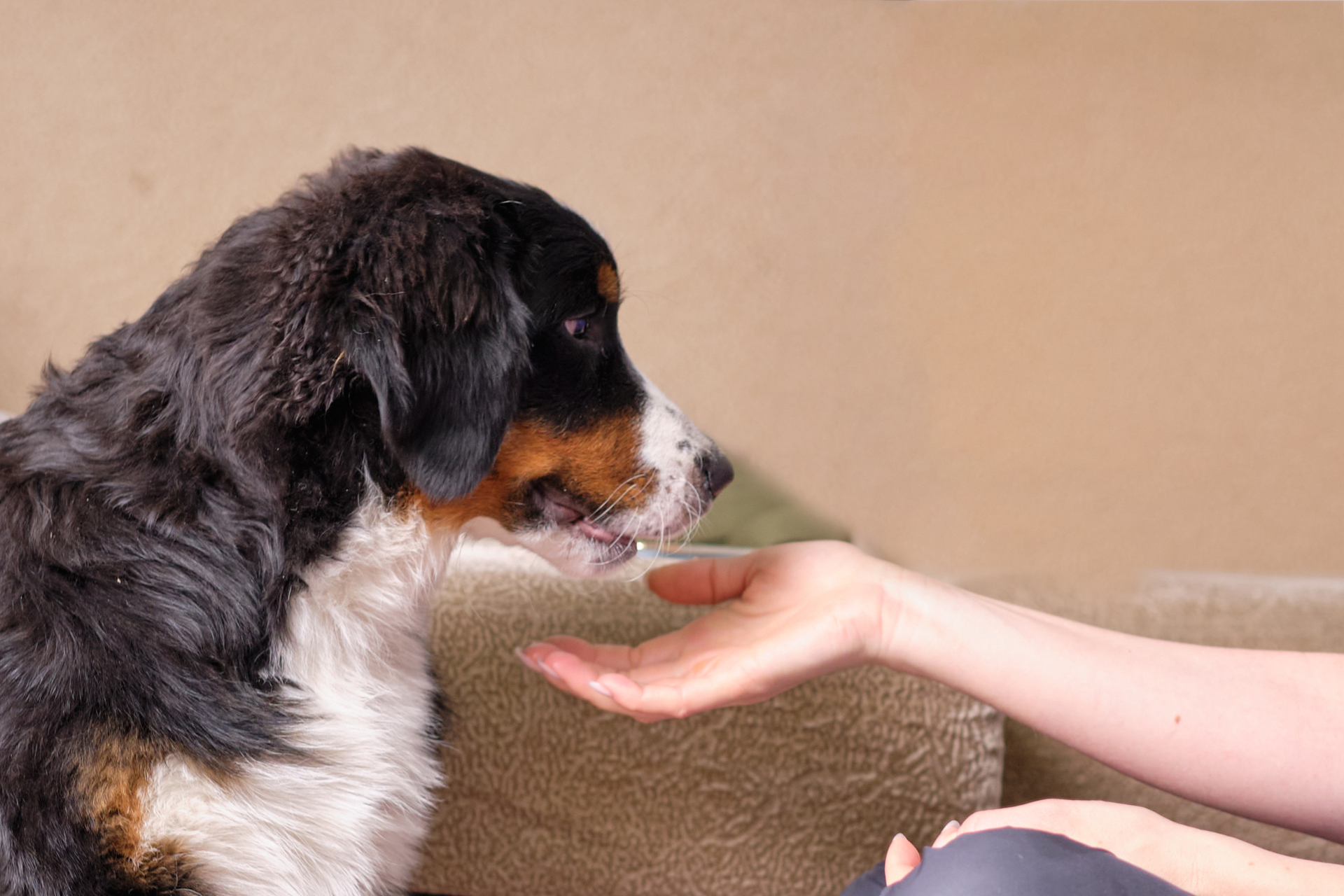
Pet owners facing the challenge of boarding dogs with behavioral issues often feel overwhelmed by the limited options available. Traditional boarding facilities might not be equipped to handle pets with anxiety, aggression, or other complex behaviors, leaving owners searching for specialized care providers who understand these unique challenges.
Many dogs exhibit behavioral problems that stem from various underlying causes - including lack of socialization, chronic stress, boredom, or undiagnosed health issues. These challenges don't disappear when owners need to travel, creating a difficult situation for pet families who require boarding services.
Specialized boarding facilities recognize that dogs with behavioral issues need more than basic care—they require understanding, patience, and expertise. Providers like Belle Aire Kennels address this need by providing behavioral support for dogs whose challenges might make them unwelcome at traditional boarding facilities.
Behavioral issues often intensify in unfamiliar environments, making the boarding experience stressful for both pets and their owners. Professional facilities equipped to handle these situations create structured environments where dogs can feel secure while receiving appropriate care tailored to their individual needs.
Understanding the specific behavioral issues that dogs may exhibit helps owners identify when specialized boarding is needed. These challenges often require professional intervention and can't be addressed through standard boarding protocols.
Separation anxiety manifests in various ways, from excessive barking and drooling to destructive chewing and attempts to escape. Dogs suffering from this condition often begin displaying distress symptoms within minutes of being left alone. The unpredictable nature of boarding environments can exacerbate these behaviors, making it necessary to choose facilities with experience managing anxious pets.
Aggressive behaviors pose significant safety concerns in group boarding environments. Dogs displaying aggression toward other animals or people require secure, controlled settings with staff trained to recognize triggers and implement appropriate management strategies.
Fear-based behaviors can range from cowering and hiding to reactive responses triggered by specific stimuli. Dogs experiencing chronic stress may exhibit changes in eating habits, excessive panting, or withdrawal from social interaction.
The controlled nature of professional boarding facilities offers unique advantages for dogs struggling with behavioral challenges. Unlike home environments where routines may vary, boarding facilities provide consistency that can help reduce anxiety and improve overall behavior.
Structured boarding environments provide carefully managed opportunities for dogs to interact with other animals under professional supervision. This controlled socialization helps develop better social skills while preventing negative encounters that could worsen existing behavioral issues.
Staff trained in animal behavior can assess each dog's comfort level and gradually introduce social situations appropriate for their individual needs. This approach helps build confidence in fearful dogs while teaching appropriate boundaries to overly enthusiastic or aggressive animals.
Boredom and excess energy contribute significantly to destructive behaviors in dogs. Professional boarding facilities address these issues through structured exercise programs and mental enrichment activities designed to tire dogs both physically and mentally.
Regular exercise schedules, puzzle toys, training sessions, and interactive games provide positive outlets for energy while reducing the likelihood of problematic behaviors. This approach helps dogs develop healthier coping mechanisms and reduces overall stress levels.
Choosing the right boarding facility for a dog with behavioral issues requires careful evaluation of specific factors that standard boarding operations may not prioritize. Pet owners should investigate several key areas before making their selection.
Quality boarding facilities employ staff members with specific training in animal behavior and canine psychology. These professionals can recognize early warning signs of stress or aggression and implement appropriate interventions before situations escalate.
Effective behavioral boarding begins with a thorough assessment of each dog's specific needs, triggers, and history. Facilities should conduct detailed intake consultations to develop individualized care plans addressing each animal's unique challenges.
These customized approaches ensure that staff understand how to interact with each dog appropriately, what situations to avoid, and which strategies work best for managing specific behaviors. Documentation and communication between staff members ensures consistency in care approaches.
Specialized facilities maintain separate areas designed for different types of behavioral challenges. Aggressive or reactive dogs require secure spaces that prevent contact with other animals, while anxious dogs benefit from quiet, low-stimulation environments.
Proper facility design includes escape-proof enclosures, sound barriers to reduce stress triggers, and flexible spaces that can be adapted based on individual needs. Safety measures should be evident throughout the facility to protect both animals and staff.
Many specialized boarding facilities incorporate positive reinforcement training into their programs, helping dogs develop better behaviors during their stay. These programs focus on rewarding desired behaviors rather than punishing problematic ones.
Training components might include basic obedience work, impulse control exercises, or specific behavioral modification techniques. This approach not only helps manage current issues but can also contribute to long-term behavioral improvement.
Proper preparation significantly impacts the success of a boarding experience for dogs with behavioral challenges. Taking time to plan and prepare can reduce stress for both pets and their owners while increasing the likelihood of a positive outcome.
Veterinary professionals play a critical role in identifying and addressing behavioral issues in pets. A thorough veterinary examination can identify underlying medical conditions that may contribute to behavioral problems, ensuring these issues are addressed appropriately.
Complete medical records should accompany dogs to boarding facilities, including information about medications, dietary restrictions, and any health conditions that might affect behavior. This documentation helps boarding staff provide appropriate care and recognize potential medical emergencies.
Familiar scents and objects can provide significant comfort to anxious dogs in new environments. Items like favorite blankets, toys, or clothing with the owner's scent can help reduce stress and provide emotional support during the boarding stay.
However, items should be selected carefully to avoid providing objects that might trigger destructive behaviors or create safety hazards. Discussing appropriate comfort items with boarding facility staff ensures selections will be beneficial rather than problematic.
Dogs with behavioral issues often benefit from gradual introduction to boarding environments rather than immediate full-day stays. Many facilities offer trial visits or shorter stays that allow dogs to become familiar with the environment, staff, and routines gradually.
These incremental approaches help build positive associations with the boarding facility while identifying potential challenges before longer stays become necessary. Staff can also use these opportunities to refine care plans based on observed behaviors and responses.
Professional boarding facilities specializing in behavioral support combine expertise, appropriate facilities, and individualized care approaches to create positive experiences for challenging dogs. This specialized care ensures that pets receive appropriate attention while owners can travel with confidence knowing their animals are in capable hands.
The investment in specialized behavioral boarding often pays dividends beyond the immediate boarding period, as dogs may develop improved coping skills and reduced anxiety through professional handling and structured environments. These improvements can improve the overall quality of life for both pets and their families.


