Head elevation is one of the most effective, research-backed ways to reduce snoring — and the angle you choose makes a real difference.
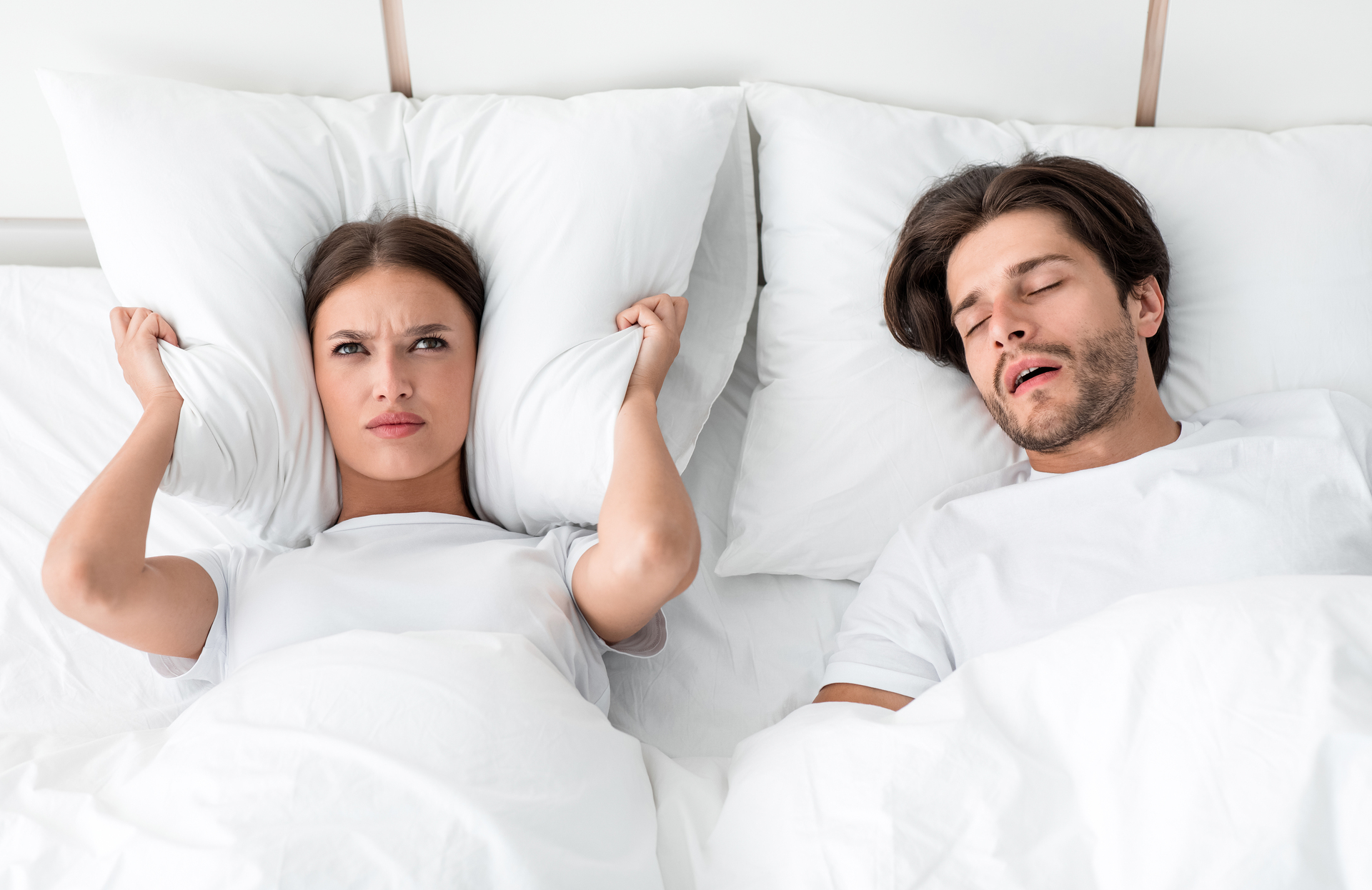
Snoring isn't just a noise problem — it's a sleep quality problem. For millions of people, it means restless nights, groggy mornings, and a frustrated partner nudging them awake at 2 a.m. The good news? A growing body of research suggests that one of the most effective fixes doesn't require a prescription, a mask, or a specialist visit. It just requires a different angle.
Incline sleeping reduces snoring by keeping the airway open. When the head and upper body are elevated, gravity works with the sleeper instead of against them — soft throat tissues stay in place, airflow stays steady, and the vibrations that cause snoring have far less room to develop.
Lying completely flat seems natural, but for a significant portion of the population, it works against them all night long. In a flat, back-sleeping position, gravity pulls the soft tissues of the throat — the soft palate, the uvula, and the walls of the pharynx — directly downward. As those tissues relax during sleep, they sag toward each other, narrowing the airway passage.
The Sleep Foundation notes that this positional effect is one of the primary reasons snoring and obstructive sleep apnea are significantly worse when sleeping on the back. Even a relatively small narrowing of the airway forces air through a tighter space at higher velocity, causing the surrounding soft tissue to vibrate — and that vibration is the snore. Mayo Clinic sleep specialists similarly advise against back sleeping for snorers and those with sleep apnea, for exactly this reason.
Elevating the head and upper body introduces a counter-force. Instead of gravity pulling everything down and inward, a moderate incline shifts the weight of throat structures slightly forward and away from the airway's walls. The passage stays wider, airflow stays smoother, and the vibration — the snore — is reduced or eliminated.
Of all the structures that contribute to snoring, the tongue is arguably the most problematic. It's a large, dense muscle, and when the body fully relaxes during sleep, it can fall backward toward the throat. In a flat sleeping position, this is almost inevitable — the tongue follows gravity straight into the airway.
This backward tongue displacement is one of the most common mechanical causes of snoring and a major contributor to obstructive sleep apnea events. When the tongue partially or fully blocks the airway, breathing becomes labored, oxygen levels can drop, and the brain may trigger a brief arousal to restore normal breathing — often without the sleeper ever fully waking.
Head elevation addresses this directly. Raising the head shifts the tongue's resting position slightly forward, reducing the degree to which it encroaches on the airway. It's a straightforward anatomical correction with measurable results, as the clinical data in the next section makes clear.
One of the most cited data points in incline sleep research comes from a 2010 study by Neill et al., published in the Journal of Clinical Sleep Medicine. In that study, tilting patients just 7.5 degrees reduced OSA severity — measured by the Apnea-Hypopnea Index (AHI) — by an average of 31.8%. Sleep efficiency also improved, meaning participants weren't just breathing better; they were sleeping better, too.
An in-home intervention study involving 25 self-reported snorers examined the effects of sleeping at a 12-degree incline. The results showed a 7% relative reduction in snoring duration and 4% fewer nighttime awakenings compared to flat sleeping. While the percentages may appear modest, for chronic snorers, fewer awakenings translates directly into more restorative sleep — for both the snorer and their partner.
The benefits become more pronounced at steeper angles. Head elevation in the 30-45 degree range has been associated with improved nighttime oxygen saturation and a meaningful reduction in the number of apnea events per hour. A 2014 study by O'Brien et al., published in the Journal of Clinical Sleep Medicine, reported a 50-60% reduction in AHI for patients with mild to moderate OSA who slept in an inclined position.
A 2023 sleep endoscopy study added anatomical detail to these findings: a 30-degree incline specifically reduced airway collapsibility at the tongue base and soft palate — the two primary sites of obstruction in most snorers.
For anyone new to incline sleeping, the 7-10 degree range is the most practical entry point. It's subtle enough that most people adapt quickly — there's no sense of sitting up in bed — yet the research confirms it delivers real airway benefits. The 7.5° findings alone justify starting here, especially for light to moderate snorers or those who are cautious about changing their sleep setup.
Many adjustable beds include an anti-snore preset that falls in this range, typically around a 10-15 degree head tilt. It's designed to open the airway without making the position feel unusual, which matters for long-term consistency. Note that the exact angle can vary by manufacturer.
The 20-30 degree range is widely considered the most effective zone for habitual snorers. Sleep product guides and clinicians alike point to this range as the incline where airway-opening benefits are most pronounced while still maintaining a comfortable, sustainable sleeping position.
At this elevation, the tongue and soft palate are less likely to fall back, airflow is significantly less obstructed, and the structural changes in airway geometry — as confirmed by endoscopy studies — are meaningful. For people whose snoring is frequent and loud, starting at a mild angle and gradually increasing to this range is a sensible, evidence-aligned approach.
The 30-60 degree range is typically reserved for those with diagnosed positional obstructive sleep apnea or for post-operative recovery settings. At this elevation, gravity's effect on airway tissues is substantially countered, and oxygen levels during sleep tend to improve measurably.
This is the range where the 50-60% AHI reductions in the O'Brien et al. Journal of Clinical Sleep Medicine study were observed. Angles above 45 degrees may not be comfortable for extended nightly use without a well-designed adjustable base that properly supports the entire upper body — not just the head.
Two presets are particularly relevant for snorers:
Reducing snoring is the headline benefit of incline sleeping, but it's far from the only one. Two of the most commonly reported additional benefits are relief from acid reflux (GERD) and nighttime nasal congestion — both of which can also make snoring worse.
Acid reflux worsens in flat sleeping positions because there's nothing to prevent stomach acid from traveling up the esophagus. Elevating the head and torso uses gravity to keep acid where it belongs. Many gastroenterologists recommend a head elevation of at least 6-8 inches for reflux sufferers, and adjustable beds make this straightforward to achieve and maintain.
Nasal congestion is a significant but underappreciated contributor to snoring. When nasal passages are blocked, the body compensates by breathing through the mouth, which dramatically increases airway turbulence and vibration. Sleeping with the head elevated encourages better sinus drainage and reduces the pooling of congestion that makes nighttime breathing more labored. For allergy or cold sufferers, the combination of clearer sinuses and an open throat can mean a noticeably quieter, more restful night.
These secondary benefits reinforce the case for incline sleeping as a general sleep quality improvement — not just a snoring-specific fix.
The evidence is consistent across study designs and severity levels: elevating the head during sleep opens the airway, reduces tissue vibration, and produces quieter nights. The right angle depends on how serious the snoring is — mild cases often respond well to 7-10 degrees, while habitual snorers typically see the most benefit in the 20-30 degree range. For those with positional sleep apnea, going steeper can produce dramatic results. Snoring might feel like an unsolvable problem, but the fix is often simpler than expected: change the angle, change the outcome.


