Medicare covers 80% of durable medical equipment costs—but only if you navigate four strict requirements and choose the right supplier. One overlooked detail about “enrolled” versus “participating” providers could leave you paying far more out of pocket than expected.
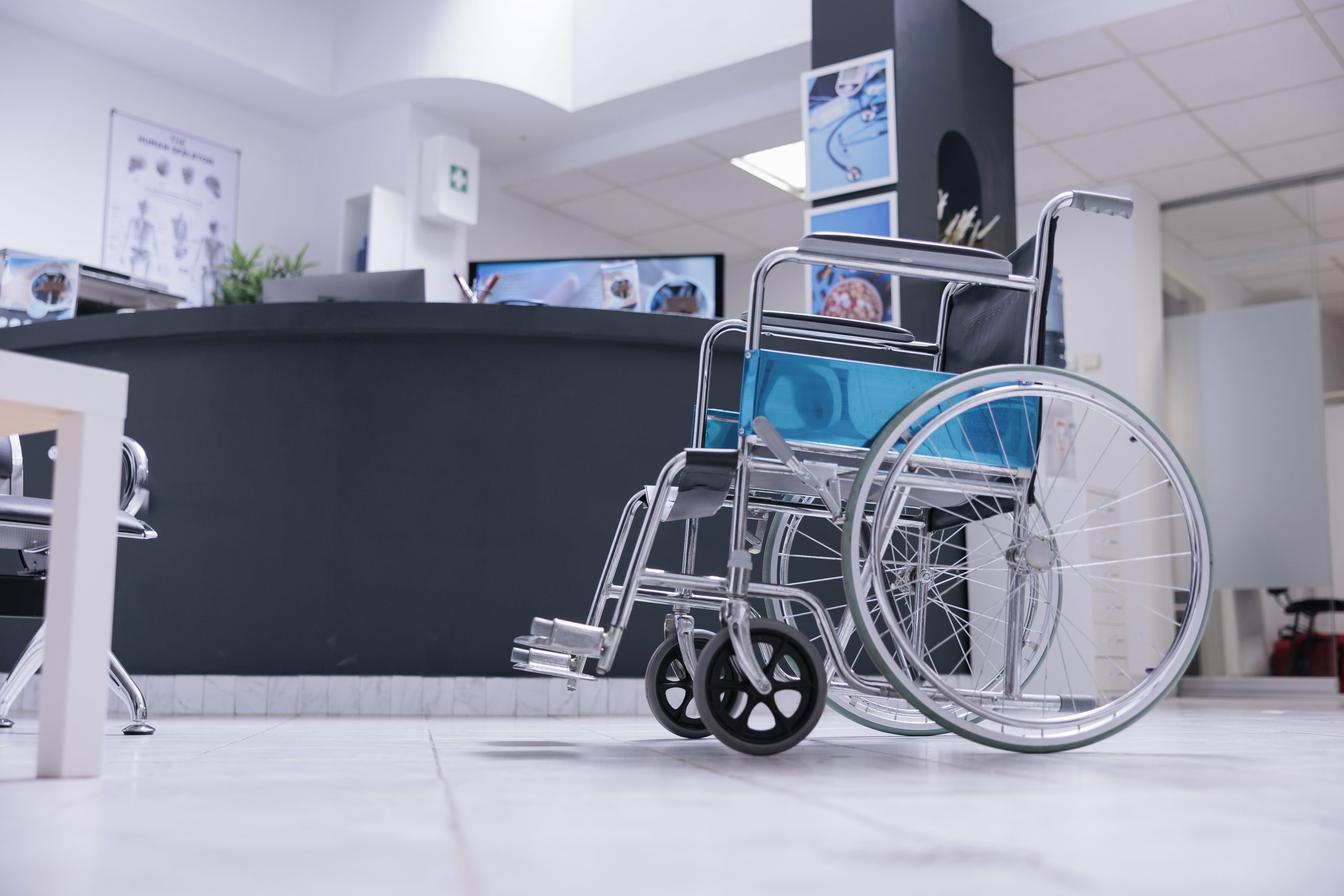
Whether a wheelchair, CPAP machine, or hospital bed for home use is on the horizon, understanding how Medicare handles Durable Medical Equipment can mean the difference between a manageable bill and an unexpected financial hit. This guide breaks it all down — what's covered, what's not, how costs work, and how to find a supplier that won't leave you guessing.
Durable Medical Equipment — or DME — is exactly what the name suggests: medical equipment built to last, prescribed by a doctor, and used at home to manage a health condition, recover from surgery, or help with daily activities. Medicare Part B is the branch of Original Medicare that handles this coverage.
The key word in all of this is durable. Medicare defines DME as equipment that can withstand repeated use, serves a medical purpose (not just a comfort or convenience one), and is expected to last at least three years. A power wheelchair fits that definition. A grab bar for the bathroom wall does not.
This coverage applies whether someone is recovering from a hip replacement, managing a chronic condition like COPD or diabetes, or living with a long-term disability. As long as the equipment meets Medicare's criteria and comes from an approved supplier, Part B steps in to share the cost. Suppliers like Hazlet Medical Supplies — a local provider in New Jersey that accepts Medicare, Medicaid, and private insurance — are the kind of resource worth knowing about before the need becomes urgent.
Medicare covers a wide range of DME when a doctor orders it and the equipment is used in the home. Some of the most commonly covered items include:
Medicare draws a clear line between equipment that serves a medical purpose and products that simply make life easier or more comfortable. If something falls on the wrong side of that line, Part B won't cover it — regardless of how useful it might be.
Common items not covered by Medicare DME benefits include:
A doctor must write a formal order for the equipment, and that order must specify it's for use in the home — not in a hospital, a skilled nursing facility during a short-term stay, or anywhere else. The in-person visit matters too: Medicare generally requires that the prescribing doctor has seen the patient in person before writing the DME order, not just reviewed records or made a telehealth recommendation for certain high-cost items.
The equipment must serve a genuine medical purpose — helping manage a health condition, supporting recovery from injury or surgery, or enabling a person to maintain daily functioning at home. "Medically necessary" is Medicare's way of filtering out products that are simply convenient or comfortable.
Medicare defines DME as equipment that can withstand repeated use and is expected to last at least three years. This rules out most disposable or single-use products. A hospital bed meets this standard. A box of wound-care gauze does not — though certain wound care supplies may be covered separately under different Medicare benefits.
This is the rule that catches many people off guard. Even if the equipment, the prescription, and the medical necessity are all in order, Medicare will not cover DME purchased or rented from a supplier that isn't enrolled in the Medicare program.
The cost structure for Medicare DME in 2026 follows the same basic framework as other Part B services. First, the annual Part B deductible must be met — that's $283 in 2026. Once that threshold is cleared for the year, Medicare pays 80% of the Medicare-approved amount for covered DME. The remaining 20% is the beneficiary's responsibility, paid as coinsurance.
One way to reduce that 20% coinsurance is through a Medigap (Medicare Supplement) plan. Depending on the plan, Medigap can cover between 50% and 100% of the out-of-pocket costs that Original Medicare doesn't pay — including DME coinsurance. For people who rely heavily on medical equipment, this can represent significant savings over time.
Not all DME is handled the same way when it comes to purchasing. Medicare determines — based on the type of equipment — whether a beneficiary rents, buys, or has the option to choose. Inexpensive items like canes and walkers are typically purchased outright. Higher-cost or longer-term equipment like power wheelchairs and oxygen concentrators usually follows a rental path.
Under the rental model, Medicare makes monthly payments directly to the supplier. After 13 months of rental payments, ownership transfers to the beneficiary automatically. From that point on, Medicare may cover repairs and replacement parts as needed. The 80/20 cost-sharing applies equally to rental and purchase payments — so the percentage paid out of pocket stays consistent either way.
Prior authorization means Medicare must approve coverage for a specific piece of equipment before it's delivered — not after. If the authorization isn't obtained first, Medicare can deny payment entirely, leaving the patient responsible for the full cost.
Prior authorization currently applies to several categories of DMEPOS (Durable Medical Equipment, Prosthetics, Orthotics, and Supplies), including:
Two terms get confused constantly in the Medicare DME space, and the mix-up can be costly. Enrolled means a supplier has registered with Medicare and received a supplier number — they can bill Medicare. Participating means the supplier has agreed to accept Medicare's approved amount as payment in full, with no additional charges passed to the patient beyond standard cost-sharing.
A supplier can be enrolled without being participating. In that case, they're legally able to bill Medicare, but they're not required to accept Medicare's rate as the final word on price. Before choosing any DME supplier, it's worth asking two direct questions: "Are you enrolled in Medicare?" and "Do you accept Medicare assignment?" Both answers need to be yes for the coverage to work as expected.
The reason many suppliers avoid full Medicare participation comes down to economics. Medicare sets fixed reimbursement rates for DME — rates that are often significantly lower than what private insurance or cash-pay customers would generate. Add in the administrative weight of the Competitive Bidding Program (which limits which suppliers can bill Medicare for certain items in specific regions), plus the cost and complexity of maintaining accreditation through a CMS-approved organization, and many suppliers find it financially unworkable to stay fully enrolled and participating.
A non-participating enrolled supplier can charge up to 15% above the Medicare-approved rate. The patient pays that excess out of pocket — on top of the standard 20% coinsurance — and may need to file for reimbursement themselves rather than having the supplier handle it directly.
All of this makes finding a supplier that is both enrolled and participating a genuinely valuable thing — and one that requires some effort to locate in many regions. A trusted local supplier that handles Medicare billing directly removes a significant layer of stress from an already complicated process.
Medicare DME coverage isn't complicated once the framework is clear: the equipment must be medically necessary, prescribed by a doctor for home use, durable enough for repeated use, and sourced from the right supplier. The 80/20 cost split kicks in after the $283 annual deductible, prior authorization is required for a growing list of items, and the difference between an enrolled and participating supplier can have a real impact on what gets paid out of pocket.
A few practical steps that make the process smoother:
The system has its complexities, but each step builds on the last. A doctor who documents carefully, a supplier who handles Medicare billing, and a patient who asks the right questions upfront — that combination makes the difference between coverage that works and a claim that doesn't.


