Your ducts hide more than dust. They collect pet dander, mold spores, and construction debris that recirculate through your home daily. Understanding which cleaning techniques actually work and when your system needs attention protects both your family’s health and your HVAC investment.
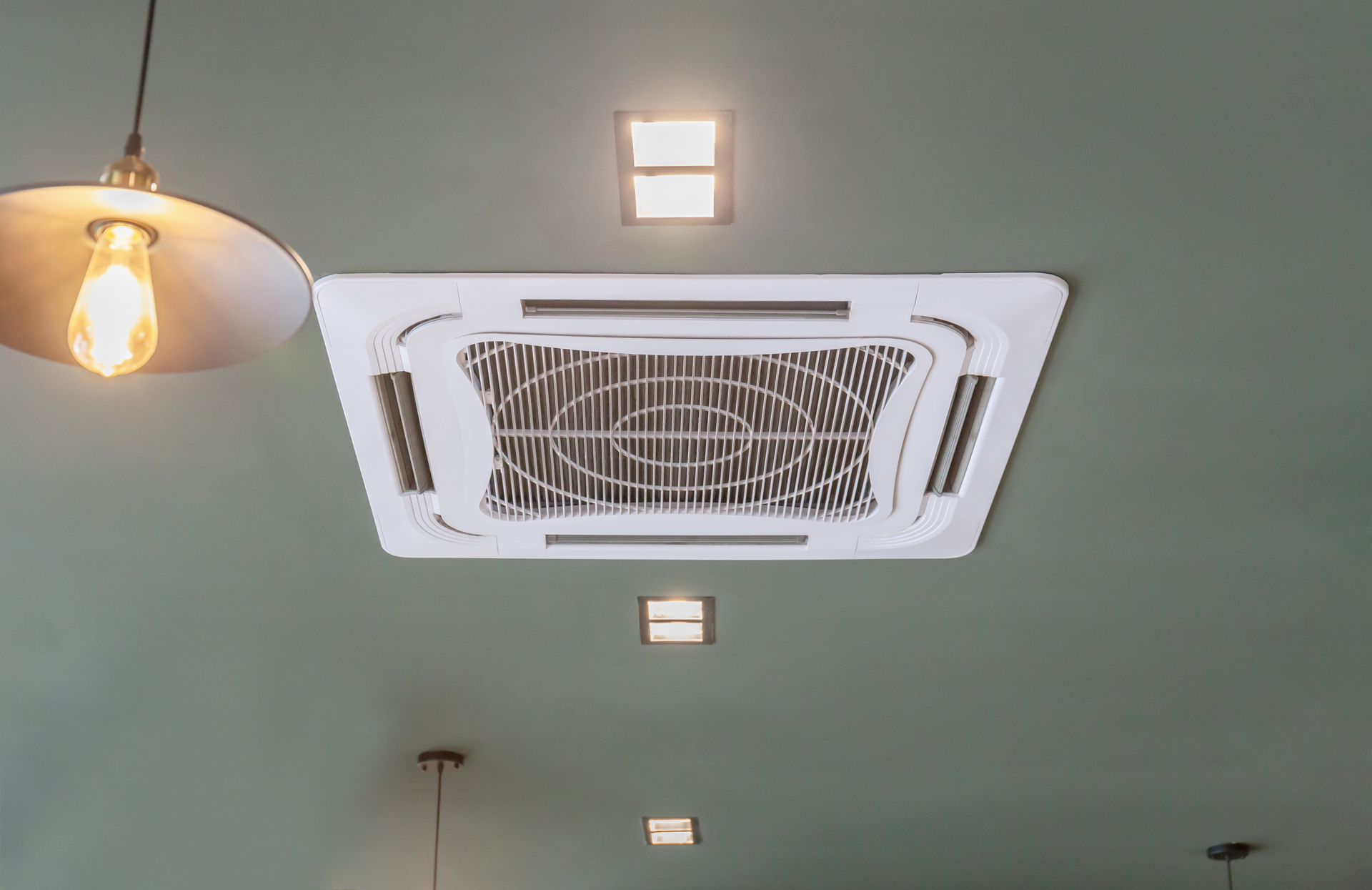
Your home's air recirculates five to seven times daily, pulling dust, pet dander, pollen, and bacteria through hidden ducts. Most homeowners change filters religiously but ignore what happens deeper in ventilation systems, where buildup accumulates for years.
New Jersey-based Airflow Experts explains that knowing which cleaning methods work and when service matters most makes the difference between healthy air and wasted money. Here's what they recommend for getting ducts clean and keeping them that way.
Most people think air duct cleaning means vacuuming out vents and calling it done, but that misses the real issue. Contaminants build up throughout your entire heating and cooling system, not just in the metal tubes running through walls.
Your HVAC system has coils, drain pans, registers, grills, air plenums, blower motors, heat exchangers, and filters that collect debris. Cleaning only the ductwork while leaving these parts dirty means everything gets contaminated again almost immediately after the technician leaves.
Professional cleaning addresses every component where dust accumulates, so your system stays clean for years instead of just weeks. This complete approach costs more upfront but delivers results that last through better air quality and improved system efficiency.
Real duct cleaning starts with physically breaking loose the dust, dirt, and grime that sticks to surfaces inside your system. Technicians use special tools like brushes, air whips, and compressed air nozzles that reach deep into ductwork areas you can't see.
Hand brushing and contact vacuuming work for spots where technicians can directly access what they're cleaning and control tools precisely. Air whips use compressed air to create a whipping action that knocks particles off duct walls without touching surfaces directly.
The tools matter less than how someone uses them because aggressive cleaning with the wrong equipment damages ductwork and creates bigger problems. Skilled technicians match their cleaning method to your specific duct material and layout to get thorough results without causing harm.
The most important part of professional cleaning uses continuous negative pressure that stops loosened dirt from escaping into your living space. Powerful vacuum equipment creates suction throughout your entire HVAC system while technicians break up buildup and pull particles into collection devices.
This negative pressure puts your whole duct system under controlled vacuum that catches even tiny particles as they break free. Without constant suction, stirring up dust just makes it settle back where it started or blow into your home.
Both truck-mounted and portable vacuum systems can create the negative pressure needed for complete cleaning, though truck-mounted equipment offers more power. Any vacuum that exhausts indoors must include HEPA filtration to prevent releasing captured contaminants back into your air during cleaning.
Some professionals use the push-pull technique that combines high-pressure air compressors with powerful vacuums to clean without physical contact. This method blows compressed air into one end of your ductwork while vacuum equipment pulls loosened debris out the other end.
The push-pull approach works especially well for homes with older ductwork that might not survive aggressive brushing or systems with wires. This gentler method takes longer than mechanical scrubbing but protects your system by avoiding punctures, tears, and tangles from invasive techniques.
Rotary brush systems sound effective because spinning brushes should scrub duct walls clean, but these tools create serious problems that outweigh the benefits. The brushes can't reach corners where debris piles up most, leaving significant buildup behind, while making homeowners think ducts are clean.
Rotary brushes frequently tangle on internal wires, cables, and duct seams, making them nearly impossible to remove without damaging ductwork. These tangles rip open seams, tear flexible ductwork, and pull apart connections that worked perfectly before cleaning even started.
The damage from tangled brushes often costs more to repair than the original cleaning would have saved homeowners. Experienced professionals avoid rotary brush systems completely in favor of methods that clean thoroughly without risking damage to your system.
Complete duct cleaning sometimes requires cutting access holes in ductwork to reach areas that can't be serviced through existing vents. Creating these openings without damaging your system takes real skill because poorly cut holes weaken structural strength and create air leaks.
Professional technicians know where to cut access holes that provide the best cleaning access while causing minimal problems with airflow. They also understand how to properly seal these openings after cleaning so they don't leak conditioned air or let contaminants in.
Careless hole placement and closure create problems that last long after the cleaning appointment ends, turning maintenance into an ongoing efficiency loss.
Industry experts recommend annual professional inspections rather than cleaning on a fixed schedule because not every home needs service at intervals. A trained technician can check your actual contamination levels and determine whether cleaning will help or whether your system waits another year.
This inspection-first approach prevents unnecessary cleanings that waste money while ensuring you get service before contamination affects your health or efficiency. The inspection itself costs far less than full cleaning and gives you reliable information about your system's actual condition.
Homes with minimal contamination factors might go four or five years between cleanings, while others need service every two to three years.
Certain household conditions speed up how quickly your ductwork collects contaminants that hurt air quality and system performance. Pet ownership introduces constant dander and hair that circulates through your HVAC system and settles throughout ductwork much faster than in pet-free homes.
Indoor smoking leaves sticky residue on duct walls that traps other particles and creates persistent odors that regular filter changes can't fix. Family members with allergies, asthma, or respiratory sensitivities suffer more from duct contamination than healthy individuals, making more frequent cleaning necessary.
Recent renovations create enormous amounts of fine dust from drywall, sawdust, and construction debris that gets into ductwork even when contractors work carefully. This construction dust contains particles you don't want circulating through your home for months or years after projects finish.
Your HVAC system sends clear signals when ductwork contamination has reached levels that require immediate professional attention. Visible dust blowing from vents when your system starts means particles are traveling through ductwork and spreading throughout your home.
Musty or moldy odors coming from registers indicate biological growth inside your ductwork that releases spores and bacteria into breathing air. Uneven airflow between rooms or sudden spikes in energy bills suggest blockages that force your system to work much harder.
Increased allergy symptoms that improve when family members leave home but return when they're inside point directly to indoor air problems. These warning signs override any cleaning schedule and demand immediate professional assessment to protect your health and prevent further damage.
Your home's specific features and your family's lifestyle determine both how quickly ducts get dirty and which cleaning methods work best. Older homes with galvanized steel or copper ductwork might show different contamination patterns than newer construction with flexible plastic ducts.
Local climate conditions influence moisture levels inside your ductwork and affect the likelihood of mold growth that requires specialized treatment. Homes in high-pollen areas accumulate allergens faster than those in other regions, potentially shortening the interval between necessary professional cleanings.
Your HVAC system's age and maintenance history also play significant roles because well-maintained systems with regularly changed filters stay cleaner longer. Understanding these factors helps you work with technicians to develop a cleaning schedule and approach that matches your actual situation.
Basic maintenance habits extend the time between professional cleanings while improving your indoor air quality and system efficiency throughout each year. Changing air filters every one to three months prevents contaminants from traveling deeper into ductwork, where they're harder to remove.
Regular vacuuming of vents and registers stops dust and debris from getting pulled into your system when air circulates through. Controlling indoor humidity through dehumidifiers prevents moisture buildup that leads to mold growth inside ductwork and other HVAC parts.
These basic steps don't replace professional cleaning, but they significantly reduce how fast contamination builds up and help you get value. Homeowners who maintain their systems between professional appointments often go longer between cleanings while enjoying better air quality than people who ignore their systems.
Contaminated ductwork hurts both your HVAC system's efficiency and your family's respiratory health while driving up energy costs through reduced airflow. Recognizing warning signs and understanding effective methods helps you address problems before they cause serious damage or health trouble.
Professional assessment using proven source removal techniques delivers thorough cleaning that amateur efforts and inadequate methods can't match. Working with experienced technicians ensures your investment actually improves home air quality for years rather than temporarily reducing visible dust.


