Bioresonance technology uses electromagnetic frequencies to interact with cellular processes. This guide explains how cellular resonance therapy works, what the science suggests, key features to evaluate, and how multi-modality wellness systems integrate this approach for holistic health support.
Your body functions as a living electrical network with every cell generating a tiny electromagnetic field as part of its normal operation. The heart creates the strongest field, measurable several feet away, while brain waves appear clearly on an EEG. Even individual cells emit subtle frequencies as they perform their work.
Bioresonance technology builds on this foundation. If cells naturally emit frequencies, the logic follows that specific external frequencies might influence their behavior. Similar ideas already exist in mainstream medicine — ultrasound uses sound waves for imaging, and TENS units apply electrical pulses for pain relief. Bioresonance extends the same concept into the realm of frequency-based wellness.
Bioresonance systems apply electromagnetic frequencies to the body through different delivery methods. Some use handheld applicators; others integrate the technology into mats, chairs, or full-body systems. These frequencies typically sit outside your conscious perception, though certain devices combine them with other modalities you can feel directly.
Proponents believe these frequencies interact with cellular processes. The theory suggests that healthy cells vibrate at specific frequencies, while stressed or damaged ones emit different patterns. By introducing balanced frequencies, the system aims to support optimal function.
You won’t find bioresonance in traditional medical settings. It exists in the complementary and wellness space, often used alongside other holistic therapies. Practitioners and users report mixed experiences, while scientific opinion remains divided on how — or whether — it works as described.
Every atom vibrates, every molecule oscillates, every cell hums with electrical potential. This isn’t metaphysics — it’s physics. The real question isn’t whether your body operates on electromagnetic principles, but whether external frequencies can influence those processes in meaningful ways.
Cellular resonance refers to how cells may respond to specific frequencies. Imagine a wine glass shattering when exposed to its resonant pitch — the right frequency amplifies the glass’s natural vibration. Cellular resonance theory proposes a similar, though much subtler, mechanism within biological systems.
Your cells rely on charged particles like sodium, potassium, calcium, and magnesium. These ions create tiny electrical potentials across membranes. Each nerve signal, muscle contraction, and heartbeat depends on controlled ion movement. Bioresonance attempts to interact with these electrical patterns to promote stability and balance.
Some studies in related fields provide context. Pulsed Electromagnetic Field (PEMF) therapy — which shares similar foundations — has been researched for effects on bone healing, pain modulation, and metabolism. Certain PEMF devices have FDA clearance for specific uses. Bioresonance itself remains less studied, but development continues as practitioners refine methods and devices.
If you’re exploring bioresonance technology, quality matters. The difference between an effective system and a flashy gadget often comes down to precision, build quality, and integration, explains equipment retailer Quanivo Wellness. The company outlines several key considerations for choosing a system.
Top-tier devices cover wide frequency ranges with fine control and some users respond better to particular bands, so flexibility is key. Look for systems spanning low frequencies under 100 Hz up to several thousand Hz or more. The more precise the tuning, the more consistent the results.
Frequencies can be applied through electrodes, mats, or full-body chambers. Choose based on how you plan to use it — portability, positioning, and comfort all play roles in how effective or practical a system feels in everyday use.
Advanced wellness systems often combine bioresonance with:
Layering modalities allows experimentation. Some users report stronger effects when combining methods; others prefer keeping them separate.
Well-built systems last longer and perform more consistently. Premium models often use medical-grade electronics, durable materials, and stable frequency generators. The result is a more reliable signal and a longer equipment lifespan.
Ease of use matters, so touch screens, preset programs, and customizable options simplify the experience. You shouldn’t need technical training to operate a wellness device effectively.
Opinions around bioresonance vary widely — from enthusiastic advocacy to outright dismissal. Much of the confusion stems from overstatements or misunderstandings.
Some claim the technology can identify medical conditions from frequency readings. There’s no solid evidence for this. While systems measure electromagnetic activity, interpreting it diagnostically requires caution and should not replace conventional tests.
They don’t. A $200 handheld unit is worlds apart from a $20,000 multi-modality system. Differences in frequency precision, power output, and build quality make performance comparisons meaningless.
It doesn’t. Bioresonance belongs in the wellness category, not clinical medicine. Use it to complement professional care, not replace it.
Responses vary. Some notice subtle effects over time; others feel nothing. Results depend on device quality, protocol consistency, and individual factors like hydration, stress, and metabolism.
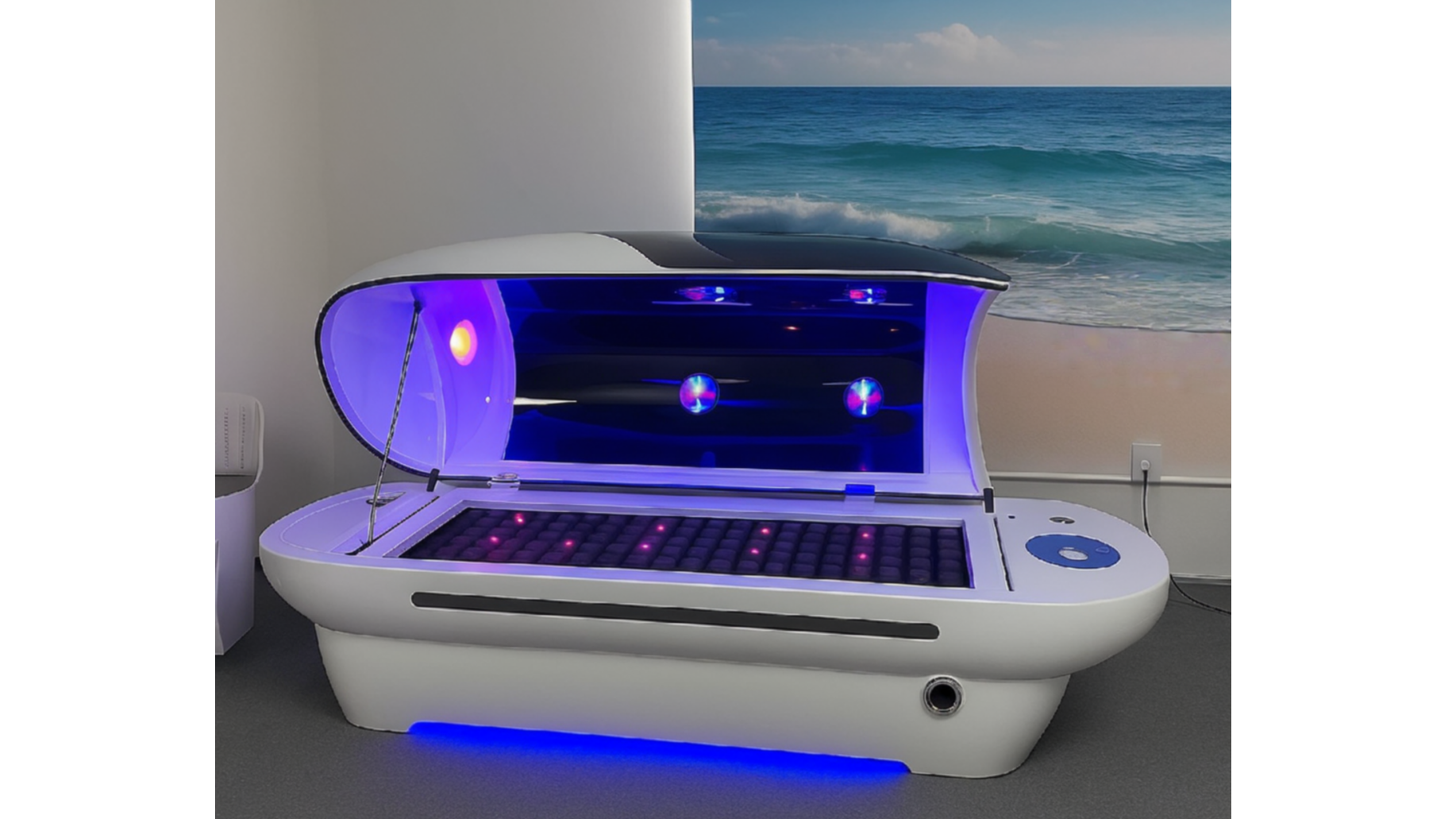
Holistic practitioners often combine bioresonance with other technologies. A typical session may blend infrared heat to relax tissues, PEMF to stimulate cells, and bioresonance to fine-tune frequencies. This layered approach aims to create multiple supportive effects simultaneously.
Clinics and wellness centers increasingly adopt professional-grade systems with touch-screen controls, session tracking, and customizable frequency programs. These allow tailored protocols for clients and efficient service delivery for practitioners.
For businesses, integrated systems make financial sense — one device offering multiple treatments reduces overhead while improving client satisfaction.
If you choose to try bioresonance, start with realistic expectations. Approach it as one potential tool for supporting wellbeing rather than a cure-all. Keep notes on your sessions, duration, and how you feel afterward. Personal data helps you gauge whether it provides a noticeable benefit.
Short, consistent sessions often work better than occasional long ones. Begin with moderate settings, adjust gradually, and allow your body to adapt.
Combine bioresonance with healthy habits — sleep, nutrition, hydration, movement, and stress management. The more balanced your baseline, the more likely you’ll notice subtle improvements.
Premium wellness manufacturers now build multi-modality systems combining bioresonance with other energy-based technologies. When researching, prioritize companies with:
Some systems include advanced elements such as ozone disinfection, graphene-based heating for efficient infrared therapy, jade stone layers for mineral benefits, and terahertz wave generation alongside frequency therapy.
Professional-grade equipment costs more upfront but delivers greater precision, longevity, and versatility — a worthwhile investment for serious users or wellness businesses.
Both use electromagnetic fields, but their focus differs. PEMF applies pulsed magnetic waves at set frequencies to stimulate cellular activity and support natural healing. Bioresonance, on the other hand, works with electromagnetic frequencies thought to align with the body’s natural resonances. Some advanced systems integrate both, though it’s often best to try each individually first to understand how your body responds before exploring combined approaches.
Session times vary depending on the device and protocol, but most last between 20 and 60 minutes. Some practitioners suggest shorter daily sessions, while others prefer fewer but longer treatments. Start with the manufacturer’s recommendations and adjust as you learn how your body responds. In most cases, consistency matters more than duration.
Many people use consumer or prosumer-grade systems at home without issue and quality devices include built-in safety measures and simple interfaces that guide you through setup and operation. Always follow manufacturer instructions, begin with conservative settings, and pay attention to how you feel during and after sessions. If you have any medical conditions or concerns, consult a healthcare professional before starting.
Specialty wellness equipment providers offer advanced systems featuring bioresonance technology. Look for manufacturers with established reputations, clear specifications, and comprehensive support. Professional-grade equipment typically includes multiple modalities beyond just bioresonance. You can find these systems through dedicated wellness technology companies that serve both clinical and home markets.


