Your smart thermostat keeps flickering, losing Wi-Fi, or draining batteries in days instead of months? The problem isn’t the device—it’s likely a missing C-wire that professional HVAC technicians know exactly how to fix.
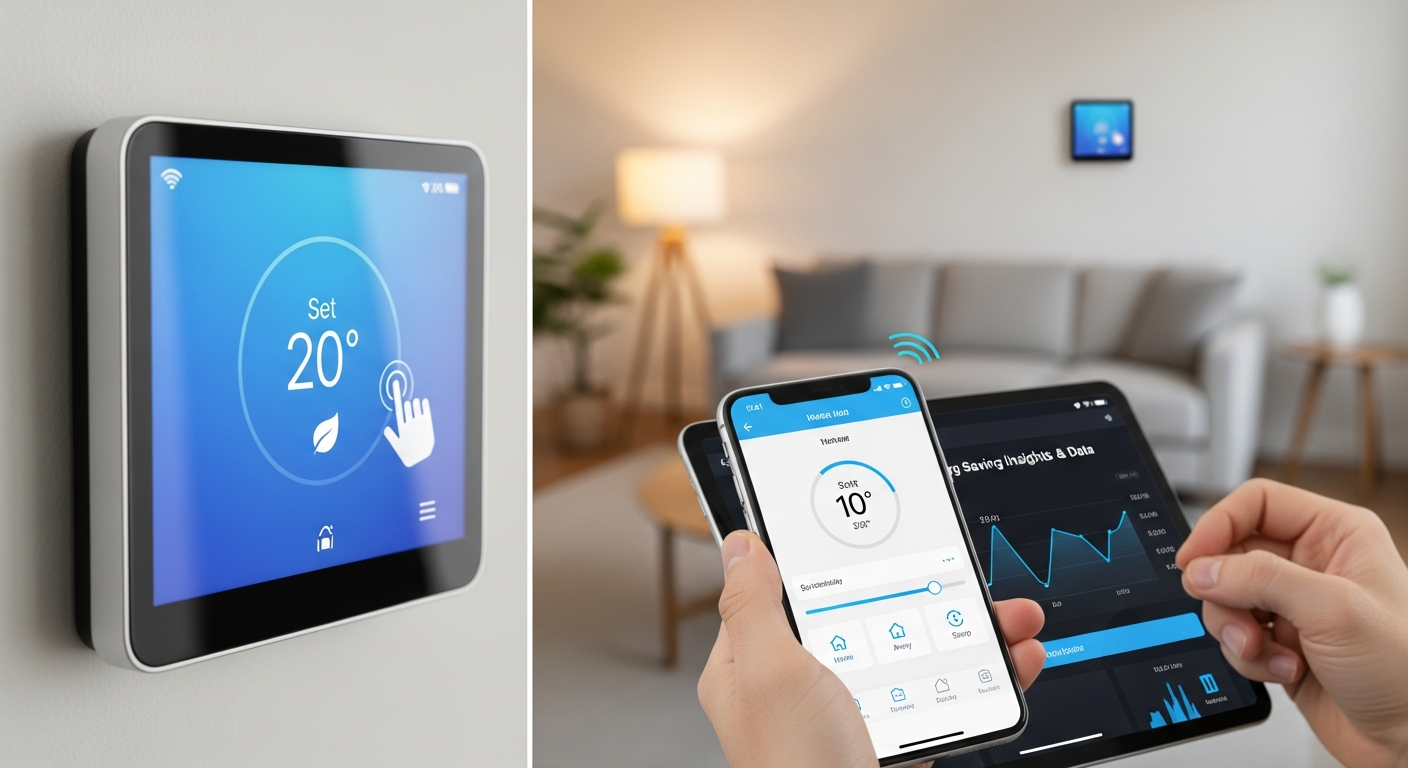
Smart thermostats promise energy savings and convenience, but many homeowners find their sleek new device won't function properly without adequate power. The culprit? A missing or improperly connected common wire, known as the C-wire. This wire provides the continuous low-voltage power these advanced devices need to operate their Wi-Fi connectivity, colorful displays, and automated features.
Smart thermostats demand significantly more power than traditional manual models. While older thermostats relied on "power stealing"—briefly drawing power when switching heating or cooling systems—modern smart units need constant electricity to maintain their sophisticated background features. Without proper C-wire power, these devices attempt to function on battery power alone or through inadequate power-stealing methods, leading to frustrating malfunctions and potential damage to both the thermostat and the HVAC system's control board.
The C-wire serves as a dedicated return path for electrical current, completing the circuit that allows smart thermostats to draw consistent 24-volt power from the HVAC system's transformer. This continuous power supply enables features like real-time weather updates, learning algorithms, and remote smartphone control. Experienced HVAC specialists understand these power requirements and follow specific protocols to ensure proper C-wire adapter installation for homes across Central Alabama.
Recognizing the symptoms of inadequate C-wire power can save homeowners from continued frustration and potential equipment damage. These warning signs typically appear within days or weeks of smart thermostat installation.
1. Flickering Display or Frequent Restarts
The most obvious sign of insufficient C-wire power is a thermostat display that dims, flickers, or goes completely black intermittently. Smart thermostats experiencing power issues may also restart randomly, losing programmed schedules and Wi-Fi connections. These symptoms occur because the device attempts to draw power from the heating or cooling control wires, which only provide electricity when those systems are actively running. When the system shuts off, the device loses its "steal," causing a reboot.
2. Intermittent Wi-Fi Connectivity Issues
Smart thermostats without proper C-wire power often struggle to maintain consistent internet connections. The Wi-Fi radio requires significant power to operate, and when the device lacks adequate electricity, it may disconnect from the network frequently to preserve battery life. Homeowners notice their thermostat appears offline in smartphone apps, fails to receive software updates, or doesn't respond to remote temperature adjustments.
3. Rapid Battery Drain in Smart Thermostats
Many smart thermostats include backup batteries to maintain basic functions during power outages. However, units lacking proper C-wire connections drain these batteries rapidly as they attempt to power all features through battery backup alone. Homeowners may find themselves replacing batteries monthly instead of annually, or receiving low-battery alerts despite recent battery changes.
Leading smart thermostat manufacturers recognize that many homes lack dedicated C-wire connections and have developed specific adapter solutions to address this common installation challenge.
Manufacturer-Provided Adapter Options
Experienced HVAC professionals follow systematic installation procedures to ensure safe, reliable C-wire adapter installation. These protocols protect both technicians and homeowners while ensuring optimal smart thermostat performance.
1. Power Safety and System Shutdown
Professional installation begins with a complete HVAC system shutdown at the electrical panel. Technicians locate and switch off all breakers connected to heating, cooling, and air handling equipment. This safety step prevents electrical shock and protects sensitive control board components from power surges. Qualified technicians use voltage testers to verify power elimination before touching any internal components.
2. Wire Documentation and Labeling
Before removing existing thermostat connections, technicians photograph the current wiring configuration and create detailed documentation of wire colors and terminal assignments. Each wire receives clear labeling to prevent confusion during reconnection. This documentation proves invaluable if troubleshooting becomes necessary or if the installation requires modification for multi-stage heating or cooling.
3. Control Board Connection Process
At the HVAC unit's control board, technicians identify the appropriate C-terminal for adapter connection. Many older units feature unlabeled terminals, requiring technicians to reference manufacturer wiring diagrams and use multimeter testing to verify correct connections. The adapter's control board component connects to both the C-terminal and the terminal corresponding to the repurposed thermostat wire.
4. Testing and System Verification
After completing all connections, technicians restore power and conduct thorough system testing. This includes verifying proper thermostat startup, checking all HVAC system functions, and confirming stable power delivery. Smart thermostat configuration and Wi-Fi setup complete the installation process, ensuring homeowners receive fully functional systems.
Residential properties in local suburbs often present unique challenges for C-wire adapter installation. These issues require experienced technicians who understand various wiring configurations.
Unlabeled Control Board Terminals
Many HVAC units installed before smart thermostats became popular feature control boards with minimal or missing terminal labels. Technicians must use manufacturer documentation and electrical testing equipment to identify correct connection points. Incorrect connections can damage control boards or create safety hazards.
Non-Standard Wiring Configurations
Some older homes feature custom or non-standard HVAC wiring that doesn't follow typical residential patterns. These configurations may include unusual wire colors, multiple HVAC zones, or integrated humidification systems that complicate C-wire adapter installation. Professional technicians can analyze these unique setups and develop appropriate adapter solutions.
While some homeowners successfully install C-wire adapters themselves, certain conditions make professional installation the safer choice. Electrical work involving HVAC systems carries risks of equipment damage, personal injury, and potential fire hazards.
Homeowners should consider professional installation when their HVAC control board lacks clear terminal labeling, when no unused wires exist in the thermostat cable, or when they feel uncomfortable working with 24V electrical connections. Additionally, homes with complex HVAC systems, multiple zones, or integrated accessories like humidifiers typically require professional expertise to ensure proper adapter installation without disrupting existing system functions.
Professional C-wire adapter installation ensures smart thermostats receive the stable power they need for reliable operation. Proper installation prevents common issues like display problems, connectivity failures, and rapid battery drain while protecting valuable HVAC equipment from potential damage. Homeowners who prioritize a professional setup benefit from a system that works correctly from day one, allowing them to focus on the comfort and efficiency that modern climate control technology provides.
Note: Price estimates reflect current market costs and may vary based on your specific situation. For a personalized quote tailored to your needs, contact a professional HVAC team directly or schedule service now.


