Struggling to lose stubborn belly fat despite countless crunches? The secret isn’t just about which cardio machine you choose… it’s also about following proper techniques that challenge your core while you burn calories.
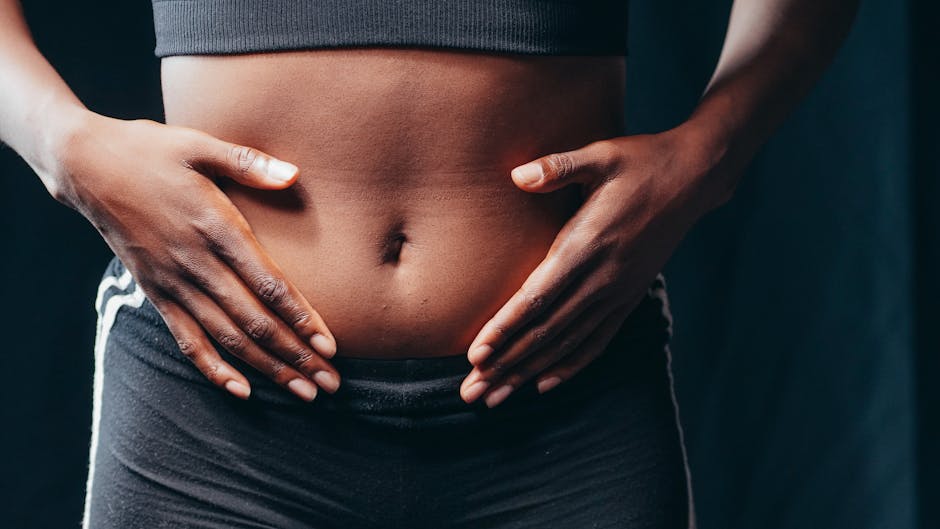
Stubborn belly fat frustrates countless fitness enthusiasts who spend hours doing crunches with minimal results. The truth, though, is that visible abs require far more than isolated exercises. They also need a balanced approach that combines calorie-burning cardio with core engagement. While diet plays the starring role in fat loss, the right cardio equipment can accelerate the process while simultaneously building the deep stabilizing muscles that create a strong, defined midsection.
Cardio machines don't spot-reduce belly fat, but they do create the caloric deficit necessary for overall fat loss while engaging core muscles throughout each workout. Both treadmills and ellipticals force your abdominals, obliques, and deep stabilizing muscles to work continuously, turning every session into a dual-purpose fat-burning and core-strengthening workout.
The key? Understanding how each machine activates different muscle groups and choosing the one that aligns with your body's needs and limitations. Research shows that combining diet with exercise provides the most effective approach to losing stubborn belly fat, making consistent cardio sessions a critical component of any successful transformation.
For those seeking expert guidance on maximizing results, SOLE Fitness offers detailed insights on choosing between treadmills and ellipticals for belly fat loss. The decision ultimately comes down to matching equipment capabilities with your specific fitness goals and physical limitations.
Treadmills demand constant core engagement as your body fights gravity and maintains balance with every step. This weight-bearing exercise naturally activates stabilizing muscles throughout your torso - creating a foundation for both fat loss and functional strength development.
Running or brisk walking on a treadmill delivers impressive calorie expenditure, with moderate-pace running burning approximately 606 calories per hour for a 155-pound individual at 5 mph. Higher speeds and steeper inclines can push this number even higher, creating the energy deficit necessary for belly fat reduction.
Modern treadmill technology addresses impact concerns through advanced cushioning systems. For example, SOLE treadmills claim their Cushion Flex Whisper Decks reduce joint impact by up to 40% compared to running on asphalt - allowing users to maintain high-intensity workouts without compromising knee and ankle health over time.
Walking or running uphill turns a simple cardio session into a targeted core workout. The inclined surface demands greater stabilization from the lower abdominals and hip flexors - muscles that are often underutilized during flat-surface exercise.
Even modest incline increases create noticeable differences in core engagement. A 5-10% incline can force the deep abdominal muscles to contract more intensely while simultaneously increasing calorie burn through added resistance. This dual benefit makes incline training particularly effective for those targeting belly fat reduction.
High-Intensity Interval Training (HIIT) on treadmills delivers superior fat-burning effects compared to steady-state cardio. Studies demonstrate that HIIT provides greater cardiorespiratory benefits than moderate-intensity continuous training while requiring less total workout time.
HIIT protocols alternate between intense sprint intervals and active recovery periods, keeping the metabolism elevated both during and after exercise. This "afterburn effect" continues burning calories for hours post-workout - which is why it's particularly effective for belly fat reduction when performed consistently.
Elliptical machines provide a unique combination of upper and lower body movement that naturally engages your core muscles throughout the entire range of motion. The coordinated arm and leg action requires continuous torso stabilization, forming an effective core workout disguised as cardiovascular exercise.
A 30-minute elliptical workout burns between 270 and 378 calories, depending on body weight and intensity, making it highly effective for weight loss while protecting joint health. The smooth, gliding motion eliminates the repetitive impact associated with running, allowing for longer workout durations without joint stress.
This low-impact advantage is particularly valuable for individuals with knee, hip, or ankle issues who can't tolerate high-impact activities. The ability to exercise longer and more frequently often compensates for slightly lower per-minute calorie burn compared to running.
Using elliptical handles with moving arms engages upper body muscles while simultaneously activating obliques and deep core stabilizers. This coordinated upper and lower body movement increases overall calorie burn while targeting the side abdominal muscles responsible for waist definition.
The rotational component of elliptical exercise can work oblique muscles as the torso slightly rotates with each stride. Maintaining proper form while allowing this natural rotation maximizes oblique engagement without compromising spinal alignment or workout efficiency.
Increasing elliptical resistance forces the lower body to work harder while demanding greater core stabilization to maintain proper form. Higher resistance levels challenge the deep stabilizing muscles, including the transverse abdominis and multifidus, which contribute to core strength and spinal stability.
Progressive resistance training on ellipticals builds both cardiovascular endurance and muscular strength simultaneously. This combination is particularly effective for developing the type of functional core strength that translates to improved posture and reduced back pain in daily activities.
Proper technique turns both treadmills and ellipticals from simple cardio machines into powerful core-strengthening tools. Small adjustments in posture and movement patterns can dramatically increase abdominal activation while improving workout safety and effectiveness.
Keeping your shoulders back, chest open, and spine neutral engages your core muscles more effectively while preventing compensatory movement patterns. Proper posture requires constant micro-adjustments from stabilizing muscles - turning every minute of exercise into core training.
Focus on drawing the navel slightly toward the spine while maintaining normal breathing patterns. Such gentle abdominal contractions activate the deep core muscles without creating excessive tension or compromising oxygen flow during cardiovascular exercise.
Leaning on treadmill rails or relying heavily on elliptical handles reduces core engagement and decreases calorie burn. Supporting body weight through the arms shifts work away from the stabilizing muscles, diminishing both fat-burning and core-strengthening benefits.
Light fingertip contact for balance is acceptable, but avoid gripping tightly or transferring significant weight to the handles. This forces the core muscles to maintain stability independently, maximizing both calorie expenditure and abdominal activation throughout each session.
Alternating between high-intensity efforts and recovery periods challenges your core muscles while boosting overall calorie burn. Interval training creates metabolic stress that promotes both fat loss and muscular adaptation - making it superior to steady-state exercise for body composition changes.
Structure intervals based on your fitness level, starting with shorter work periods and longer recovery phases. As conditioning improves, increase work duration or intensity while maintaining proper form and core engagement throughout all phases of the workout.
Gradually increasing treadmill incline or elliptical resistance creates progressive overload for both cardiovascular and muscular systems. Strategic use of these variables prevents adaptation while continuously challenging core stability and strength development.
Vary incline and resistance levels within single workouts or across training sessions to target different muscle groups and energy systems. This approach maintains workout challenge while preventing the overuse injuries associated with repetitive movement patterns.
Choosing between treadmills and ellipticals depends on individual factors - including joint health, fitness experience, time availability, and specific training objectives. Both machines offer distinct advantages that appeal to different user needs and preferences.
Treadmills are well-suited for individuals seeking maximum calorie burn and bone-strengthening benefits from weight-bearing exercise. The ability to adjust both speed and incline provides unlimited progression opportunities, making treadmills ideal for serious runners and those comfortable with higher-impact activities.
Treadmills are also ideal for HIIT training through sprint intervals that can burn calories at high rates. This makes treadmills particularly beneficial for time-constrained individuals who need maximum results from shorter workout sessions.
Ellipticals suit individuals with joint concerns, beginners, or those seeking full-body engagement without impact stress. The coordinated upper and lower body movement provides wide muscle activation while remaining accessible to users with various fitness levels and physical limitations.
The low-impact nature allows for longer workout durations, making ellipticals excellent for building aerobic base fitness and promoting fat loss through extended calorie-burning sessions. This approach works well for individuals who prefer moderate-intensity, longer-duration exercise protocols.
Quality equipment makes all the difference between sporadic workouts and consistent training that delivers real results. Professional-grade home machines provide the durability, features, and user experience necessary for long-term success in belly fat reduction and core strengthening.
Look for treadmills and ellipticals that combine commercial-grade construction with advanced technology and user-friendly features. From cushioned running decks that reduce impact to whisper-quiet elliptical drives that won't disturb others, these machines can deliver gym-quality workouts in home environments.
Investment in quality equipment pays dividends through consistent availability, reduced maintenance issues, and features that maintain workout motivation over time. The combination of reliability, performance, and integrated fitness tracking creates an environment where sustainable fitness habits can develop and flourish.


