Evening screen use disrupts melatonin and sleep cycles, but new optical solutions — like blue-light-filtering glasses — offer accessible, science-backed ways to restore restfulness.
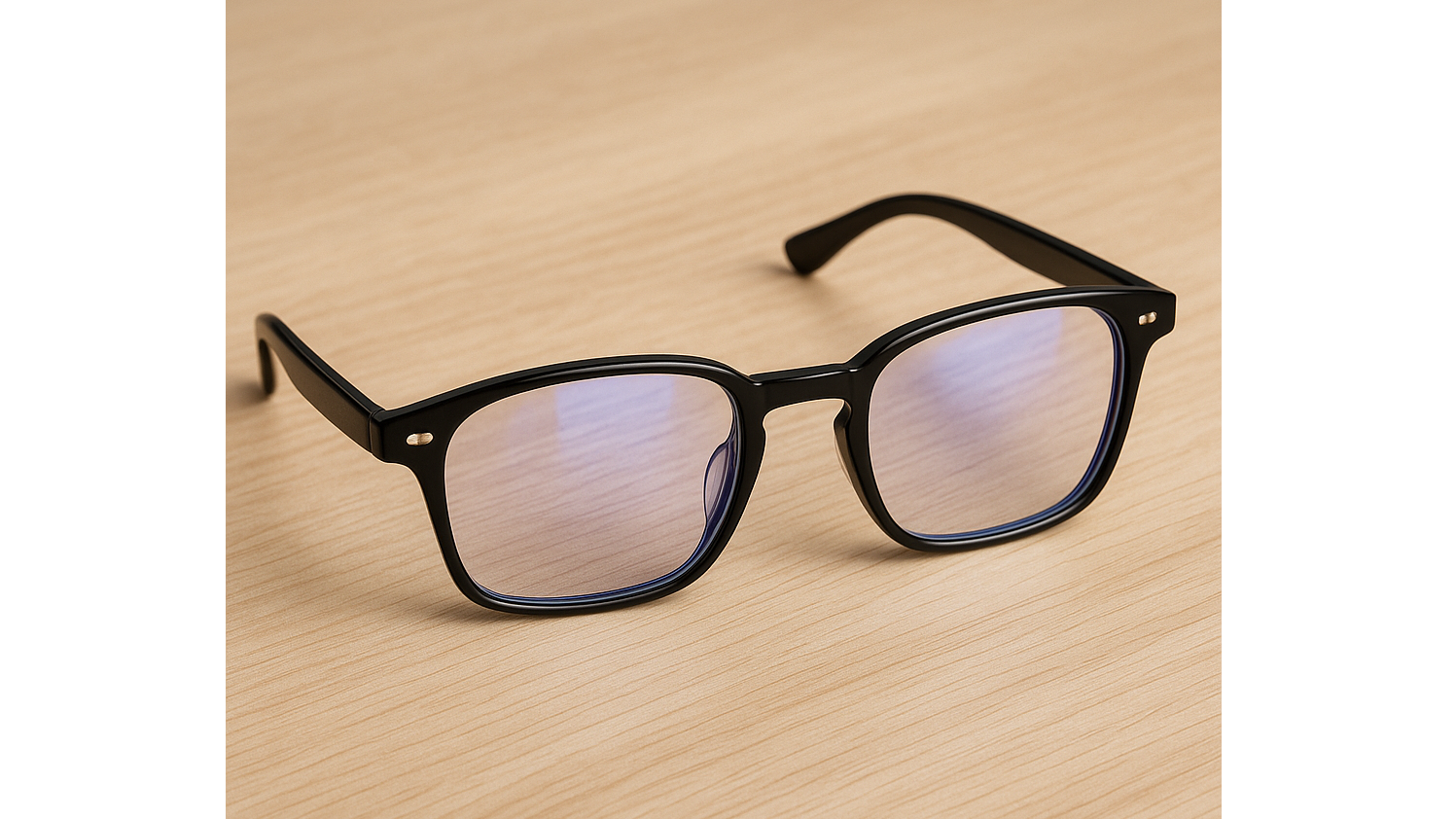
Late-night scrolling has become a natural part of modern life, but there's nothing natural about late-night exposure to blue light from screens. What's more, it may be costing people more than just a few extra minutes of sleep. According to the Journal of Biological and Medical Rhythm Research, exposure to blue light from digital screens within two hours of bedtime can suppress melatonin (the body’s natural sleep hormone) by up to 23%. The result is a subtle yet significant shift in the sleep cycle that leaves many feeling fatigued, even after a full night in bed.
As screen time climbs across work, study, and entertainment, many underestimate how much artificial light influences overall health. Blue light, a high-energy visible wavelength emitted by LED screens, signals alertness to the brain. While this is helpful during daylight hours, it becomes disruptive at night. The brain interprets screen light as daytime, delaying melatonin release and making it harder to fall asleep.
For those who rely on prescription eyewear, managing this exposure can be particularly challenging. Paying for additional coatings on prescription lenses is expensive and traditional blue light glasses often don’t fit comfortably over corrective lenses, leaving many to choose between clear vision and sleep support. This trade-off often leads to continued eye strain, headaches, and restless nights.
The experts at Sleep ZM recommend simple strategies to help reduce blue light exposure in the evening hours:
Recognizing that many users already depend on prescription eyewear, some optical specialists have developed “fitover” blue light glasses which are designed to sit comfortably on top of existing frames, explains Sleep ZM. This approach allows users to benefit from screen protection without compromising their vision or convenience, expanding solutions to include a more accessible, research-based wellness tools.
As awareness of blue light’s effects continues to grow, so does the importance of taking practical steps to mitigate exposure during the quieter evening hours. Addressing sleep disruption isn’t just about reducing screen time; it’s about understanding the biology behind modern routines and using smart tools to counteract the impact. With thoughtful habits and accessible technology, it’s possible to reclaim rest in a digital world that never sleeps.


