When pests invade your Northern Virginia home, that DIY spray bottle might seem like the perfect solution – but homeowners using over-the-counter products could be putting their families at serious risk while making the problem worse.
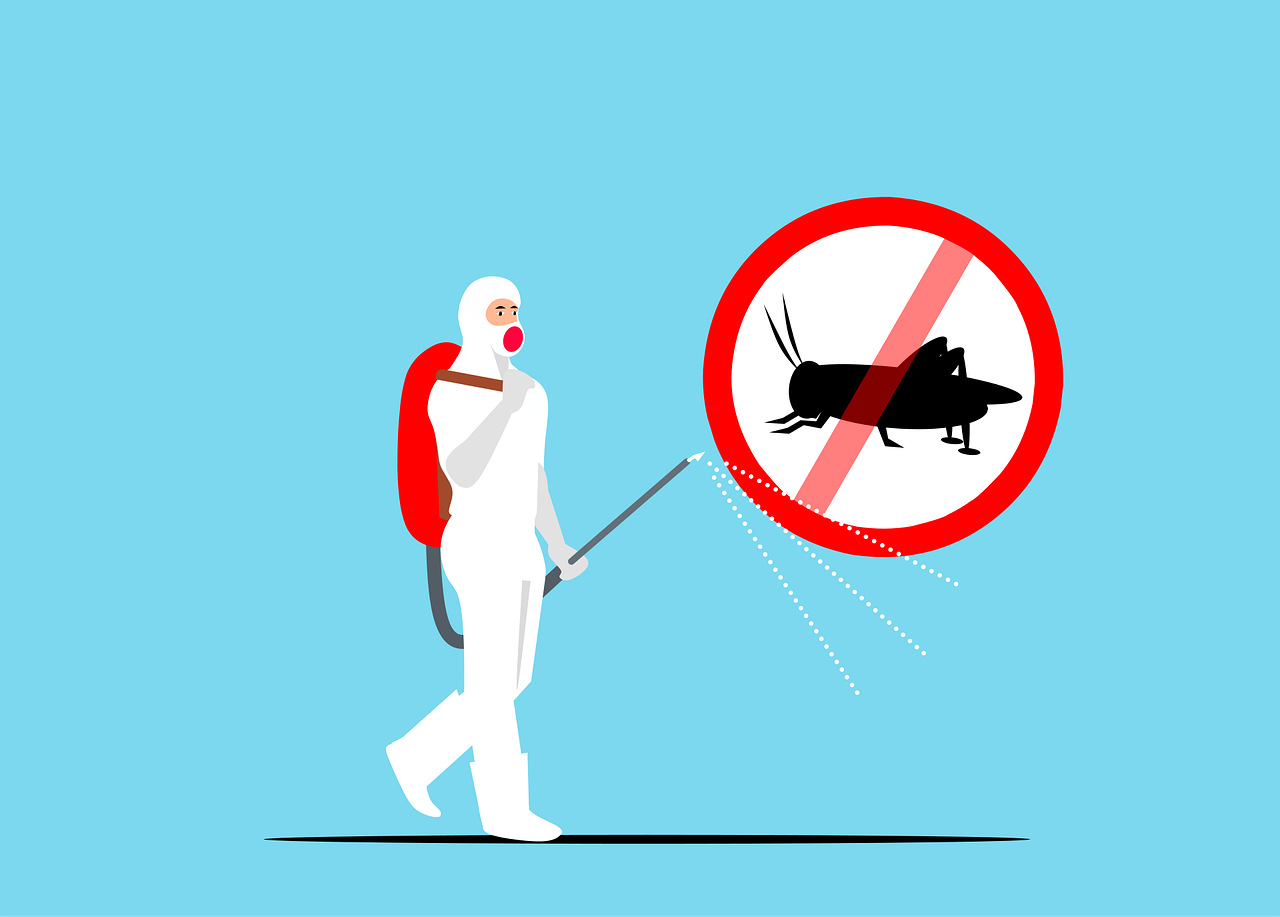
When pests invade your home, it's tempting to grab a spray bottle and handle the problem yourself. However, what seems like a quick, cost-effective solution can often become a dangerous and expensive mistake that puts families at risk while failing to solve the underlying problem.
Many homeowners don't realize that over-the-counter pest control products contain potent chemicals designed to kill living organisms. These same toxins can seriously harm humans and pets when mishandled. The Environmental Protection Agency's Office of Pesticide Programs has documented cases where improper pesticide use leads to skin irritation, respiratory problems, and more severe health complications.
The risks multiply dramatically when children are present in the home. Children spend more time close to the ground where treatments are applied, and their developing immune systems make them particularly susceptible to chemical exposure. Professional pest control teams such as Connor's Pest Pros understand these vulnerabilities and implement safety protocols that DIY methods simply can't match.
Beyond immediate health risks, improper application can create long-lasting contamination problems. Homeowners often apply too much product, use the wrong chemicals for specific pests, or treat areas incorrectly. That creates toxic environments that persist long after the initial treatment.
The fundamental problem with store-bought pest control products lies in their design: they're created for broad consumer use rather than targeted pest elimination. This one-size-fits-all approach rarely addresses the specific species, infestation level, or environmental factors present in individual homes.
Retail sprays and baits typically kill only the pests that are visible at the moment of application. While this creates the illusion of success, the underlying colony, nest, or breeding ground remains intact. Within weeks, the infestation often returns stronger than before, requiring repeated treatments that increase chemical exposure and costs.
Effective pest control requires identifying and eliminating the conditions that attract pests in the first place. This might involve sealing entry points, addressing moisture issues, or removing food sources that aren't immediately obvious to homeowners. DIY approaches focus on killing visible pests rather than understanding why they're present, ensuring the problem will resurface.
Repeated exposure to the same over-the-counter chemicals allows pest populations to develop resistance, making future control efforts increasingly difficult. Professional pest control services rotate different treatment methods and products to prevent this adaptation, something impossible with limited retail options.
Federal agencies have issued increasingly strong warnings about the dangers of consumer pest control products, particularly regarding their impact on vulnerable populations.
The EPA has taken decisive action to limit the sale and use of certain rodenticides due to widespread misuse and accidental exposure incidents. These restrictions came after mounting evidence showed that consumer-grade rodenticides posed unacceptable risks to children, pets, and wildlife when used without professional oversight.
Research consistently shows that children face disproportionate risks from pesticide exposure. According to the American Association of Poison Control Centers' most recent data, tens of thousands of children are involved in household pesticide poisonings or exposures annually, highlighting the serious safety gap in DIY pest control approaches.
Beyond application hazards, improper storage of pest control products creates ongoing risks. Many homeowners store these chemicals in accessible locations, use incorrect containers, or fail to secure products properly, creating opportunities for accidental ingestion or exposure.
The economics of DIY pest control become problematic when examined over time. While initial costs might range from $50-$150 per project, the reality of repeated failures creates mounting expenses that often exceed professional service costs.
Failed DIY treatments require multiple store trips, additional product purchases, and countless hours of homeowner time - often without achieving lasting results. Professional services may charge more upfront, but they're significantly more likely to eliminate infestations correctly on the first attempt.
Perhaps most costly are the property damage scenarios that occur when DIY methods fail to address serious infestations. Termites, carpenter ants, and rodents can cause thousands of dollars in structural damage while homeowners spend months attempting ineffective treatments. Early professional intervention prevents these expensive scenarios.
Licensed pest control professionals bring specialized training, proper equipment, and access to professional-grade products that aren't available to consumers. This combination creates treatment approaches that are both safer and more effective than DIY alternatives.
Professional pest control companies use targeted treatments with a lower environmental impact than many consumer products. They understand proper dosage, application methods, and safety protocols that minimize risk to humans and animals while maximizing effectiveness against target pests.
Each pest species requires a specific treatment approach based on its biology, behavior, and lifecycle. Professionals identify the exact pest species present, understand its behavioral patterns, and select appropriate treatment methods that address the specific infestation rather than applying generic solutions.
Professional pest control begins with thorough inspections that identify not just current infestations, but the conditions that created them. This approach addresses underlying causes like moisture problems, structural vulnerabilities, and attractant sources, creating long-term solutions rather than temporary fixes.
Northern Virginia homeowners deserve pest control solutions that prioritize both safety and effectiveness. Many pest control crews combine professional training with responsive services, offering same-day appointments and customized treatment plans tailored to specific infestation challenges.
Detailed inspections can identify the full scope of pest problems, followed by customized treatment plans that address both immediate infestations and underlying causes. Some crews even provide a 100% satisfaction guarantee - including free re-treatments if pests return. This means homeowners can trust that their pest problems will be resolved correctly the first time, without exposing families to unnecessary chemical risks or ongoing treatment failures.
The difference between professional and DIY pest control extends far beyond initial cost considerations. It's jointly about protecting family health, preserving property value, and achieving lasting results that restore peace of mind to Northern Virginia homes.
For safe, effective pest control that protects your family while eliminating infestations completely, rely on professionals such as Connor's Pest Pros for expert solutions, proven methods, and peace of mind.


