DIY painting seems budget-friendly until you factor in time, materials, and potential mistakes. Professional painters bring expertise, proper equipment, and guarantees that often save money long-term.
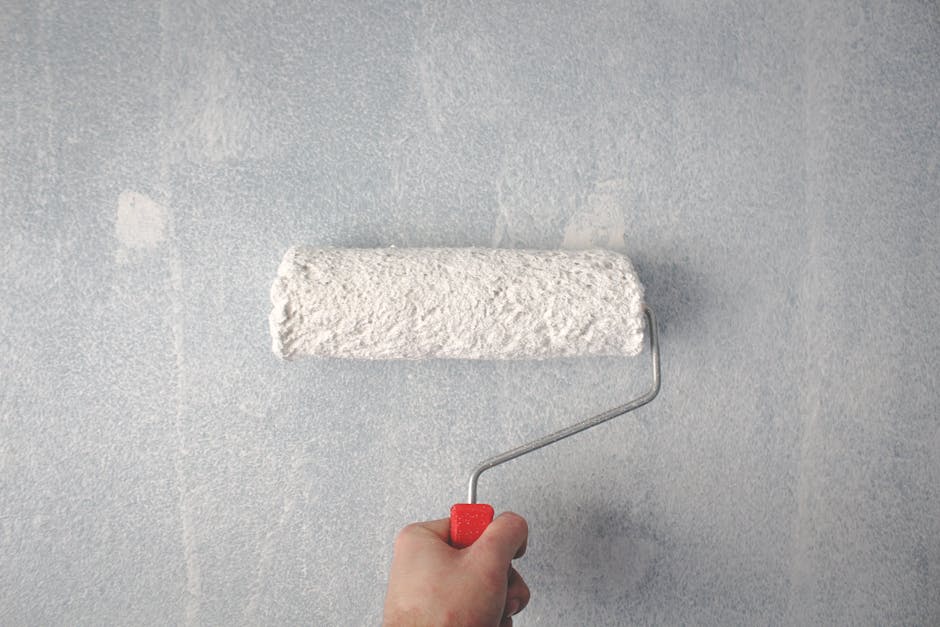
That fresh coat of paint looks so simple in those weekend warrior videos. Roll it on, step back, admire your handiwork, and save a fortune. Right?
Not quite. Swiss homeowners spend an average of 2,400 CHF annually on home maintenance, with painting representing nearly 30% of that budget. The catch? Half of DIY painting projects require professional intervention within two years.
The question isn't whether you can paint a wall. Most people can figure out the basic mechanics. The real question is whether you should—and more importantly, when the smart money says to call in the pros.
Weekend painting projects have a funny way of stretching into month-long ordeals. That "quick bathroom refresh" turns into a saga involving multiple trips to the hardware store, YouTube tutorial marathons, and increasingly creative excuses to avoid finishing what you started.
Professional painters estimate project timelines based on experience. A room that takes them six hours might consume your entire weekend—assuming everything goes perfectly. Factor in prep work, multiple coats, and cleanup, and you're looking at 20-30 hours of your time. Calculate your hourly value, and suddenly that "savings" starts looking questionable.
Quality painting requires quality tools. Cheap brushes leave streaks. Bargain rollers shed fibers. Inadequate drop cloths lead to expensive floor repairs. By the time you've purchased proper equipment—brushes, rollers, extension poles, ladders, drop cloths, tape, primer, and paint—you're often close to professional pricing.
The kicker? You'll use most of these tools once. Professional painters amortize tool costs across hundreds of projects. You're bearing the full expense for a single job.
Touch-up work, accent walls, or painting furniture falls squarely in DIY territory. These projects offer practice opportunities without major consequences. A slightly imperfect picture frame won't haunt you for years.
Interior rooms with minimal prep work also suit amateur painters. If the existing paint is in good condition and you're applying similar colors, the margin for error stays manageable.
Some people possess natural painting ability. They have steady hands, patience for prep work, and an eye for detail. If you've successfully completed multiple painting projects and genuinely enjoy the process, DIY might work for your situation.
Exterior painting involves safety risks, weather considerations, and materials that must withstand Swiss climate extremes. Paint failure on exterior surfaces leads to structural damage costing thousands more than the original painting project.
Professional painters understand substrate preparation, primer selection, and application techniques that prevent moisture infiltration. They carry insurance for ladder work and have equipment for reaching difficult areas safely.
Rooms with high ceilings, intricate trim work, or textured surfaces challenge even experienced DIY painters. Kitchens and bathrooms require moisture-resistant products and precise application around fixtures.
Color changes—especially going from dark to light—demand multiple primer and paint coats applied with perfect consistency. Professionals have spray equipment and techniques that achieve uniform coverage impossible with brushes and rollers.
Moving deadlines, special events, or rental property turnovers don't accommodate extended DIY timelines. Professional painters work efficiently and can coordinate with other trades when renovations involve multiple contractors.
The difference between paint jobs that last two years versus twenty years lies in preparation work. Professional painters identify problem areas, remove loose material, fill imperfections, and apply appropriate primers.
They understand which surfaces need specific treatments. Metal requires rust inhibitors. Wood needs grain fillers. Masonry demands specialized primers. Amateur painters often skip these steps or apply incorrect products.
Paint technology has advanced significantly. Modern formulations offer better coverage, durability, and environmental safety than products from even five years ago. Professional painters stay current with material developments and understand which products work best for specific applications.
Ecological paint options require different application techniques than traditional products. Water-based formulations behave differently than oil-based predecessors. Professionals adjust their methods accordingly.
Professional painting contractors follow systematic processes that ensure consistent results. They inspect surfaces before painting, monitor weather conditions during application, and verify coverage after each coat.
Most professionals guarantee their work for several years. This warranty coverage provides peace of mind impossible to achieve with DIY projects.
Consider professional painting when projects involve safety risks, complex surfaces, or quality requirements that affect property values. DIY makes sense for small projects, practice opportunities, or situations where perfect results aren't critical.
The decision often comes down to time, skill level, and long-term perspective. Professional painters offer expertise, efficiency, and guarantees that justify their fees for important projects.
For painting & decorating projects in Zurich, consulting with experienced professionals provides cost estimates, material recommendations, and realistic timelines. For example, Handwerkskollektiv HK offers free consultations that will help you make the right decision about DIY versus professional approaches.


