When storms hit Florida, mold can grow within 48 hours. While DIY remediation works for small areas under 10 square feet, professional services offer specialized equipment and expertise essential for comprehensive storm-related mold removal and prevention.
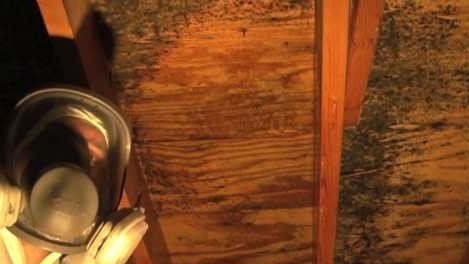
Florida residents understand the destruction hurricane season brings. What many don't realize is that after winds die down and floodwaters recede, an invisible threat begins to take hold in as little as 24-48 hours. The combination of standing water, high humidity, and organic building materials creates the perfect breeding ground for mold infestations. has seen firsthand how quickly mold can overtake homes after severe weather events, turning minor water intrusion into major remediation projects.
The unique climate of Florida makes homes particularly vulnerable to mold growth year-round, but especially during storm season. When rain and floodwater enter your home, every minute counts in preventing mold from establishing itself. Unfortunately, many homeowners underestimate the scope of the problem or attempt DIY solutions that prove inadequate for storm-related mold issues.
According to EPA guidelines, homeowners can typically handle mold remediation themselves if the affected area is smaller than 10 square feet. Small areas are typically a small patch of mold in a bathroom corner or minor growth around a window frame. These limited infestations can often be addressed without professional intervention if proper procedures are followed.
DIY cleanup works best on hard, non-porous surfaces, such as tile, glass, metal, or sealed countertops. These materials don't allow mold to penetrate deeply, making surface cleaning effective. Materials such as ceramic bathroom tiles or metal window frames can typically be cleaned with suitable household products.
When the visible mold is all there is—with no musty odors suggesting hidden growth behind walls or under floors—DIY remediation may be sufficient. This usually means the mold resulted from a one-time water event that has been completely resolved, rather than ongoing moisture problems.
If this is the first time you've noticed mold in this area, DIY treatment might be appropriate. However, if you've previously cleaned mold in the exact location only to have it return, this indicates an underlying moisture problem that DIY methods likely won't address effectively.
One of the biggest challenges for DIY remediation is detecting mold hidden within building structures. After storms, water often penetrates wall cavities, beneath floorboards, and into ceiling spaces—areas inaccessible without specialized equipment. Professional mold inspectors use moisture meters, infrared cameras, and borescopes to locate these hidden colonies that DIY efforts typically miss completely.
Disturbing mold without proper containment releases millions of spores into the air, creating a significant health risk. Even with basic protective equipment, DIY remediators often experience increased exposure to mycotoxins and allergens. For individuals with asthma, compromised immune systems, or mold sensitivities, exposure to this substance can trigger severe health reactions that may persist long after cleanup attempts.
Perhaps the most common DIY mistake is treating the symptom (visible mold) without addressing the cause (ongoing moisture). Storm damage often creates complex water intrusion pathways that aren't obvious to untrained eyes. Professional remediation involves a comprehensive identification of moisture sources, including hidden plumbing leaks, roof damage, or foundation cracks that allow groundwater seepage.
Commercial-grade equipment makes a significant difference in remediation outcomes. Professionals use industrial air scrubbers with HEPA filtration, negative air machines, commercial dehumidifiers, and specialized antimicrobial treatments unavailable to most homeowners. The capacity and efficiency of this equipment far exceed those of consumer-grade alternatives, especially crucial after major storm events.
When Florida experiences hurricane flooding or sewage backups, professional remediation becomes essential, not optional. These water intrusions introduce bacteria, chemicals, and pathogens, along with moisture, creating a hazardous environment that requires specialized handling. During events like Hurricane Irma, homes throughout Whitfield and surrounding areas experienced complex contamination that DIY methods simply couldn't address safely or effectively.
The EPA recommends professional remediation for any mold infestation larger than 10 square feet. This guideline exists because larger affected areas typically indicate deeper problems and increased health risks. After storms, mold growth can rapidly expand behind walls and under floors, quickly exceeding this threshold even when surface mold appears limited.
Identifying mold in your heating, ventilation, or air conditioning system necessitates prompt professional intervention. HVAC systems can distribute mold spores throughout your entire home within hours. Professional remediators possess the specialized equipment and techniques to clean these systems without cross-contaminating living spaces – a task virtually impossible with DIY approaches.
If your home has lingering musty smells despite cleaning attempts, hidden mold is almost certainly present. These odors result from microbial volatile organic compounds (MVOCs) produced by active mold colonies. Professional testing can pinpoint these hidden sources, which often lurk in wall cavities, crawl spaces, or other inaccessible areas, particularly during Florida's intense storm seasons.
When mold returns despite repeated cleaning efforts, this indicates underlying issues that DIY methods haven't resolved. Professional remediators remove visible mold and investigate and correct the moisture sources causing recurrence. This comprehensive approach is particularly important in Florida homes where storm patterns can create ongoing vulnerability.
If family members experience increased allergic reactions, respiratory issues, headaches, or unusual fatigue after stormwater exposure in your home, these symptoms may indicate significant mold contamination. Professional remediation protects vulnerable individuals from continued exposure, while proper containment prevents cross-contamination during the removal process.
Professional mold remediators combine a with moisture detection technology. Thermal imaging cameras detect temperature differences, indicating the presence of moisture behind walls. Moisture meters measure dampness levels inside materials. Air and surface sampling identify mold types and concentrations. This multi-faceted approach ensures no hidden mold remains after remediation – a critical advantage in Florida's humid, storm-prone environment.
Professionals establish critical containment zones using negative air pressure, specialized barriers, and high-efficiency particulate air (HEPA) filtration. These protocols prevent mold spores from spreading to clean areas during remediation—a common problem with DIY approaches. For homes impacted by hurricane flooding, this containment prevents what could have been a localized problem from becoming a whole-house contamination issue.
Commercial-grade equipment significantly outperforms consumer options. Professional HEPA air scrubbers can filter particles as small as 0.3 microns, capturing mold spores invisible to the naked eye. Industrial dehumidifiers extract moisture at rates impossible with household units. This equipment advantage becomes especially important after major storm events when rapid drying prevents secondary damage.
Rather than simply treating visible mold, professionals investigate and address underlying causes. This may involve identifying roof leaks, foundation cracks, plumbing issues, or inadequate drainage that allows stormwater to infiltrate. By correcting these root problems, provides lasting results rather than temporary cosmetic improvements.
Professional remediators in Florida receive specialized training in addressing hurricane-related mold issues. Their certifications require an understanding of proper protocols, safety procedures, and remediation techniques specific to severe water intrusion. This specialized knowledge ensures your home receives appropriate treatment for our region's unique challenges.
The choice between DIY and professional mold remediation ultimately comes down to the extent of the problem and the level of protection you want for your home and family. While DIY methods can address minor, surface-level issues, Florida's unique climate and storm challenges often require professional expertise for truly effective remediation.
When dealing with storm-related mold, remember that what you can see is often just a fraction of the problem. not only addresses current mold but also helps prevent future occurrences through proper moisture control and preventative recommendations specific to your home's needs.


