DIY glass repair kits promise quick fixes for cheap, but most homeowners discover too late why their thirty-dollar solution created a fifteen-hundred-dollar problem. Professional technicians reveal the hidden complexities behind those simple-looking cracks and why proper equipment makes all the difference.
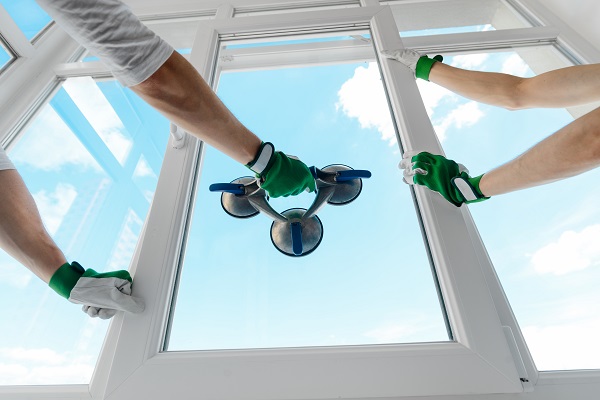
Every homeowner faces that sinking moment when a stray cricket ball shatters a window pane or a crack suddenly appears across the glass door after a particularly cold night.
Most people assume they can save hundreds of dollars by handling glass repairs themselves, but this decision often creates more problems than it solves. Here's what separates repairs that last from those that fail within weeks.
Hardware stores stock entire aisles dedicated to home repair solutions, and glass repair kits sit right there among them with attractive price tags. These kits typically cost between thirty and fifty dollars, which looks incredibly reasonable compared to calling a professional service for the same job. Online tutorials make the process look straightforward enough that anyone with basic coordination should manage the task without experiencing any major issues along the way.
The convenience factor plays a huge role in this decision since you can pick up supplies immediately and work on your own schedule. Many homeowners feel a genuine sense of accomplishment from handling repairs themselves rather than relying on outside help for every single household problem that comes up. When you only see a small chip or crack, the damage appears minor enough that bringing in professional help seems like complete overkill.
Small chips and cracks look deceptively simple on the surface, but glass damage involves layers and complexities that most people never stop to consider properly. The visible crack on your window represents only part of the actual problem since damage often extends into deeper layers that you cannot see clearly. Temperature changes, structural stress, and trapped moisture all contribute to damage that continues spreading even after you carefully apply a standard repair kit.
Most repair kits only work effectively on tiny chips smaller than a two-dollar coin, yet stores rarely emphasize these serious limitations on their product packaging. The resin included in these kits struggles to penetrate deep cracks fully, which means air bubbles and moisture get trapped inside the repair. Even when you follow every single instruction perfectly, the repair might look acceptable initially, but fail within weeks when temperature fluctuations put stress on it.
Safety becomes a serious concern when improperly repaired glass fails under pressure or during an impact that the window should normally withstand without problems. Weak spots in glass compromise the structural integrity of the entire pane, which matters especially for windows and doors that provide security for homes. Insurance companies frequently refuse to cover damage that results from failed DIY repairs, leaving you responsible for the full cost of replacement instead of repair.
Professional glass repair involves specialized equipment that removes all moisture and debris from damaged areas before any repair material even gets applied to surfaces. Technicians use vacuum systems that create negative pressure to pull out trapped air and contaminants that would otherwise prevent proper bonding between glass layers. The resin that professionals use differs significantly from kit materials since industrial products bond stronger and cure clearer without the cloudiness that cheaper alternatives leave behind.
Proper glass repair requires injecting resin under controlled pressure to ensure complete penetration into every part of the crack or chip that needs filling. Ultraviolet curing lights harden the resin completely in minutes rather than the hours that kit repairs need for uncertain results that may not hold. Trained technicians understand how to assess whether damage has compromised the structural integrity beyond repair, which prevents you from investing time and money poorly.
The tools that professionals bring to each job cost thousands of dollars and require proper training to use safely and effectively on different glass types. Temperature control matters enormously during glass repair since resin behaves differently in cold versus warm conditions, and professionals adjust their techniques to match current weather. Professional services also understand building codes and safety standards that determine whether a repair meets legal requirements or if the glass needs complete replacement.
Some types of glass damage should never receive DIY treatment because the risks far outweigh any potential savings you might achieve with store-bought kits. Cracks longer than two centimeters spread quickly under normal temperature changes and require immediate professional intervention to prevent complete failure of the entire pane. Damage that reaches the inner layer of double-pane windows compromises the insulating properties and allows moisture to fog up the space between panes permanently.
Multiple chips or cracks in the same pane indicate structural weakness that DIY repairs cannot address properly, no matter how carefully you work on them. Glass damage in your direct line of sight while driving or looking through a window creates distortion that repair kits make worse instead of better. Any crack or chip that sits at the edge of the glass will spread rapidly since the edges lack support from the surrounding glass areas.
The initial price difference between a repair kit and professional service seems substantial at first glance, but this simple calculation misses several important factors. Failed DIY repairs often force complete glass replacement rather than the repair that would have worked if professionals had handled it initially from the start. Replacement costs run five to ten times higher than repair costs, which means a failed thirty-dollar kit can easily create a fifteen-hundred-dollar replacement bill.
Most insurance policies waive deductibles for professional glass repairs, which means many homeowners pay nothing out of pocket for expert service on their windows. DIY repairs void these insurance benefits and leave you covering all costs yourself when the repair eventually fails under normal use and stress. Energy loss from poorly sealed repairs adds ongoing costs to your heating and cooling bills that continue month after month until you finally address the problem.
Time investment matters more than most people realize since DIY repairs often require multiple attempts to get acceptable results that actually hold up over time. Professional technicians complete repairs in thirty to sixty minutes with guaranteed results, while DIY attempts can consume entire weekends for uncertain outcomes and frustrating failures. The stress and frustration of dealing with failed repairs, cleanup of sticky resin, and coordination of eventual professional help add hidden costs that never appear.
Licensed glass technicians carry proper insurance that protects your property if anything goes wrong during repairs, which DIY work obviously cannot provide to homeowners. Reputable services offer warranties on their repair work that guarantee the fix will hold up for specific time periods or they will redo it. Reviews from previous customers reveal patterns about quality, punctuality, and whether the service actually fixes problems or just takes your money without delivering lasting results.
Clear communication about costs before work begins prevents surprise charges and helps you make informed decisions about repair versus replacement for your specific damage. Experienced technicians explain exactly what they plan to do, why that approach works best for your specific damage, and what results you should realistically expect. Professional services arrive with all necessary equipment, rather than discovering halfway through that they need additional supplies or tools to complete the job properly.
Newly repaired glass needs gentle treatment for the first day or two while the resin fully cures and bonds with the surrounding glass material. Avoid washing windows or applying cleaning products directly to repair areas for at least seventy-two hours after the work finishes to prevent damage. Temperature extremes can stress fresh repairs, so try to keep indoor temperatures relatively stable rather than running heat or air conditioning at extreme settings initially.
Inspect repaired areas monthly to catch any signs of spreading damage early, when additional work costs less than waiting until problems become more severe. Clean glass regularly with appropriate products since built-up dirt and grime can hide small chips that turn into major cracks if you ignore them. Understanding what caused the original damage helps you prevent future problems, whether that means trimming tree branches, adjusting sprinklers, or addressing foundation settling issues properly.
Your skill level with home repairs matters less than you might think since glass work requires specialized knowledge that watching videos cannot adequately provide. Budget concerns make sense, but comparing the true cost of DIY versus professional work reveals that expert service often costs less when factoring in outcomes. The location and severity of damage should guide your decision more than assumptions about whether you can handle the work yourself with basic tools.
Consider how long you plan to stay in your home, since proper repairs add value while visible DIY patches detract from property appeal significantly. Safety should outweigh cost savings in every situation, especially when glass damage affects windows and doors that protect your family from weather and intruders. Attempting repairs yourself makes sense for truly minor cosmetic issues on glass items that pose no safety risk if the repair fails.
Professional glass services bring years of experience handling every type of damage under countless different conditions and circumstances that amateurs never encounter in normal situations. They have seen what works long term versus what only looks acceptable initially but fails within weeks or months under normal temperature changes. The right equipment and materials cost more upfront but deliver results that last years rather than temporary fixes that need constant redoing and adjustment.
Qualified glass technicians understand structural concerns that determine whether your glass can be safely repaired or needs complete replacement for security and proper function. Most homeowners lack the knowledge to make this assessment accurately, which means DIY repairs might patch glass that should actually be replaced entirely. Professional services also handle the disposal of broken glass safely rather than leaving you to manage sharp, dangerous materials that can cause serious injuries.
Your windows deserve proper care from people who understand how glass behaves under stress, temperature changes, and normal wear over extended periods of time. Contact experienced professionals who assess damage properly and recommend solutions that actually work.


