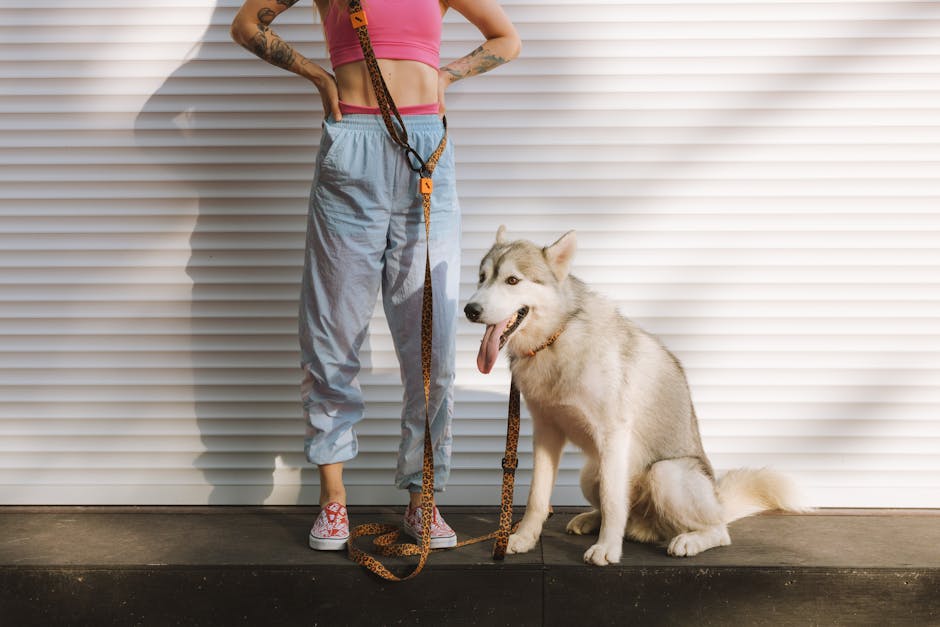
Why Choosing the Right Leash & Harness Matters
Walks should be simple—but for many dog owners, the wrong gear turns a stroll into a tug-of-war.
With so many leash and harness styles on the market, it can be difficult to know which combination fits your dog's needs. Size, breed, temperament, training level, and activity type all affect what makes a leash or harness safe and effective. The right setup protects your dog's joints and airways, reduces pulling, and gives you better control in everyday and high-activity environments.
Dog training specialists consistently highlight that leashes and harnesses are not one-size-fits-all. Each tool has a specific purpose, and choosing correctly can prevent injuries, behavior problems, and escape risks.
Common Types of Dog Leashes (and When to Use Them)
- Standard Leash: The classic 4-6 ft nylon, leather, or rope leash works well for everyday walks and basic training. It gives predictable control, though nylon may cause friction burns for dogs that pull, and leather requires routine care.
- Retractable Leash: Popular for giving dogs more room to explore, retractable leashes can extend up to 30 ft. However, they encourage pulling and pose risks such as rope burns, tangles, and tripping. They're best used only in open, safe areas with well-trained dogs.
- Adjustable or Multi-Position Leash: This type includes multiple loops or clips that let you modify the length. It's ideal for switching between crowded streets, casual walks, and training sessions.
- Long Line Leash: Often 10-50 ft, the long line is essential for recall training, tracking, and controlled freedom in open spaces. It should always be attached to a harness, never a collar, to avoid neck injuries during sudden stops.
- Slip Lead: A leash and collar in one. These offer quick on/off convenience for vets, shelters, and agility environments. However, misuse can cause throat strain, so they should only be used by handlers familiar with proper technique.
- Chain Leash: Useful for habitual leash-chewers, though heavier and less comfortable. They may also damage teeth if chewed heavily.
- Hands-Free or Bungee Leash: Designed for running and hiking, the waist-worn style keeps hands free while the bungee section absorbs shock. This setup requires a trained dog to prevent sudden pulling.
- Traffic Handle (Tab Leash): A short 6-18 inch tab meant for crowded environments, busy crossings, or strong dogs needing close control.
Common Types of Dog Harnesses
- Back-Clip Harness: Comfortable and easy to use, especially for small breeds or dogs with delicate necks. However, it offers less control for strong pullers.
- Front-Clip Harness: Ideal for dogs that pull, as it redirects movement and encourages better walking behavior. Requires good fit to prevent tangling or shoulder restriction.
- Dual-Clip Harness: Offers both front and back attachment points for versatility and extra control. Slightly bulkier but useful for transitioning training stages.
- Step-In Harness: Perfect for anxious or mobility-challenged dogs who dislike overhead straps. Needs proper adjustment to prevent escapes.
- Vest Harness: Padded, comfortable, and excellent for puppies or sensitive-skinned dogs. Can be warmer in hot weather.
- Safety Harness: Designed primarily for car travel and seatbelt attachment. Provides secure restraint during drives.
- Head Halter: A training tool that loops around the nose and behind the ears, giving excellent directional control for strong pullers. Dogs need time to acclimate to it.
How to Choose the Right Setup for Your Dog
1. Consider Size & Breed
- Small dogs benefit from lightweight harnesses that reduce neck pressure.
- Large or strong breeds need durable materials, wide straps, and strong hardware.
- Deep-chested dogs may require Y-shaped or escape-proof harness designs.
- Flat-faced breeds should always avoid neck pressure due to respiratory sensitivity.
2. Evaluate Behavior & Training Level
- Pullers = front-clip harness with a standard leash.
- Calm walkers = back-clip or collar with a standard leash.
- Puppies = adjustable leash and secure harness.
- Escape artists = multi-strap or over-the-head harness with several adjustment points.
3. Account for Health Conditions
- Neck or tracheal issues → harness only.
- Mobility limitations → harness with top handle.
- Chewers → chain leash as a preventive measure.
4. Match the Gear to the Activity
- Everyday walks → standard leash + comfortable harness.
- Running or hiking → hands-free leash + durable harness with shock absorption.
- Training or tracking → long line in safe, open environments.
Fit Tip: You should be able to slide two fingers under any strap. Too tight restricts movement; too loose allows escape.
Expert Insight: When Hands-Free Systems Make Sense
According to outdoor pet-exercise specialists at Run Dog Run Bike Leash, hands-free systems can provide a stable pace for high-energy dogs during running or cycling sessions. A properly fitted harness paired with a controlled, retractable system can give dogs increased freedom of movement while still maintaining safety for both owner and pet.
Professionals in the field also emphasize that hands-free setups work best for trained dogs accustomed to consistent pacing, making them a useful option for active owners who enjoy long-distance or low-impact exercise with their pets.
Choosing the right leash and harness can transform your walks—making them safer, calmer, and more enjoyable for both you and your dog. If you're exploring hands-free options for biking, jogging, or everyday outdoor activity, consulting experienced pet-exercise specialists such as those at Run Dog Run Bike Leash can help you understand what setup best fits your dog's training level and lifestyle.