Most people can’t tell jazz from R&B until the music starts playing, yet these genres create completely different vibes — one thrives on improvisation and rhythm, the other on soulful emotion and melody. Both are still shaping modern sounds worldwide, including Australia’s vibrant scene.
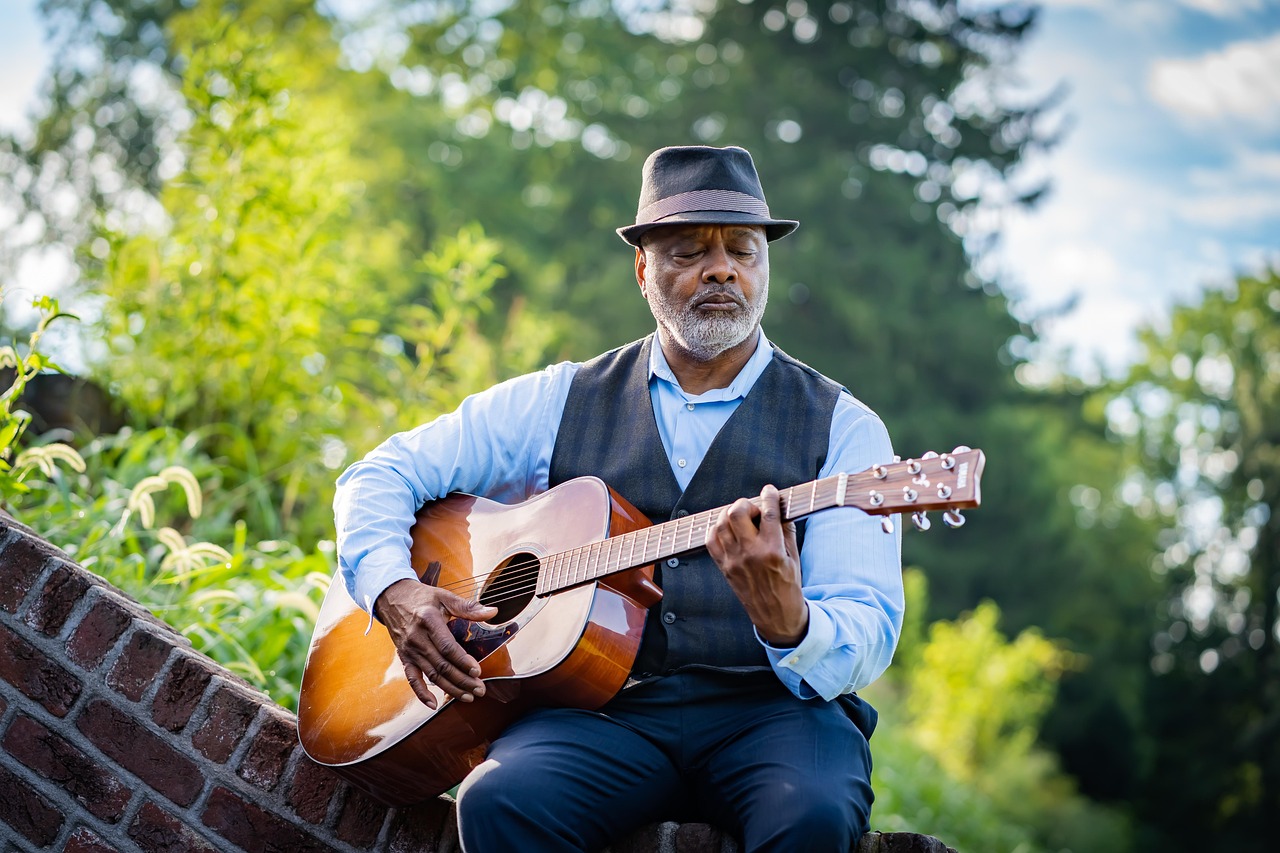
Walk into any music venue, and the sounds hitting your ears might confuse you at first. share emotional power and deep historical connections, yet they create totally different experiences for listeners.
Recognizing their differences helps you pick shows that match your exact mood. Here's what separates these influential sounds and why both keep shaping today's music in meaningful ways.
Blues music gave birth to both jazz and R&B, making them cousins in America's musical family history. Jazz showed up first, while R&B arrived roughly three generations later during the 1940s, when things changed. The music industry had labeled recordings by Black musicians as "race music," but leaders switched to "Rhythm and Blues" instead.
Early R&B musicians mixed jazz and blues freely because they didn't limit themselves to one strict style back then. Black artists performed both genres early on, though these sounds now attract fans worldwide across every background and culture. Both started in African American communities but quickly spread beyond those original borders to become globally recognized art forms.
Jazz builds everything around improvisation and rhythm, giving musicians space to create music spontaneously while they're actually playing. Players show off their creativity through sudden rhythm changes, fancy melody twists, and variations on the 12-bar blues pattern. The rhythm feels syncopated and swung, which means strong beats land where you don't expect them to appear.
Musicians stack multiple different rhythms on top of each other at the same time, creating complex layers throughout songs. Walking bass lines, glissando slides, scat singing, and rhythmic piano chords all add to jazz's recognizable sound and feel. Jazz also uses the blues scale, which flattens certain notes to create that emotional quality everyone associates with it.
R&B centers everything around soulful melodies sung by vocalists with powerful voices that communicate deep feeling and emotion. The genre traditionally puts a lead singer out front with backup vocalists supporting them emotionally while staying controlled. These songs explore love's ups and downs, romantic happiness, and personal intimate moments through relatable stories that connect.
The rhythm in R&B stays steadier than jazz but doesn't follow rigid classical music patterns or strict timing. Improvisation happens in R&B, but it plays second fiddle to the emotional message and vocal delivery instead. The genre mixed jazz techniques with blues emotion, but it chose accessibility and emotional connection over showing off complexity.
Jazz and R&B separate most clearly in what they put first during performances and when creating new songs. Jazz gives improvisation the spotlight, letting musicians change things based on feeling, while R&B keeps focus on consistent messages. Jazz players expect total freedom to mess with melodies and rhythms; however, they want it right then and there.
Jazz shows feel unpredictable because you'll never hear two performances sound exactly alike, even with identical song titles. R&B concerts deliver what audiences expect since people come specifically to hear familiar songs performed like recordings. The singing approach differs dramatically, too, with jazz vocalists using voices almost like instruments through scat techniques instead.
Jazz treats all instruments equally, with vocals serving as just one voice among many different musical parts. R&B puts vocalists center stage with instruments backing up the singer's emotional delivery throughout every song's duration. Jazz musicians react to audience energy and change their improvisation based on how the room feels during shows. R&B performers deliver pre-arranged songs with small changes but keep the structure people know and love intact.
R&B keeps transforming by absorbing whatever musical movements happen around it during each passing decade since it started. The 1970s mixed soul and funk into R&B, with artists blending groovy bass and energetic rhythms together. During the 1980s and 1990s, hip-hop and electronic sounds changed R&B again as musicians added rap and beats.
Modern R&B experiences what people call a comeback, with today's artists looking back at 1990s sounds while adding techniques. This makes music feel both familiar and fresh at once, which appeals to old fans and newcomers alike. Genre lines have blurred significantly, with R&B now mixing freely with pop, electronic, and alternative sounds to push boundaries.
Jazz follows a similar path of constant change while keeping its improvisational heart through all the shifts happening. Australian jazz scenes show this evolution clearly, with many musicians creating original work that matches international standards while sounding distinctly local. Formal jazz training through schools has raised technical skills significantly over recent decades, though this has pulled it from its origins.
Jazz programs in universities and conservatories now produce technically skilled musicians who push the genre into harder territory. This added sophistication needs more informed listening from audiences, similar to how classical music requires attention from concertgoers. The education system sped up jazz's move away from street music into something requiring study and serious practice.
Better-trained musicians experiment across genre lines, mixing jazz with classical pieces, popular music structures, and sounds from cultures. This diversity makes the art form richer but also means today's jazz sounds totally different from mid-century. Some younger players now create jazz barely resembling traditional forms while still honoring improvisation at the genre's center.
Australia’s modern music scene reflects a fascinating blend of both jazz and R&B influences, showing how these genres continue to evolve far from their American roots. Australia’s music scene brings a distinctive flavor to the difference between jazz and R&B, blending global influences with local creativity. Across cities like Sydney and Melbourne, jazz musicians trained in conservatories collaborate with R&B vocalists shaped by soul and gospel traditions, creating hybrid performances that feel both sophisticated and deeply emotional.
Australian artists frequently blur the lines between improvisational jazz and expressive R&B, producing sounds that honor tradition while pushing new boundaries. Performers such as Major Zulu, known for her soulful blend of jazz and R&B, exemplify this cross-genre evolution on Australia’s live stages.
Through festivals, gallery performances, and intimate venues, the two genres continue to influence each other — showing that Australia’s interpretation of jazz and R&B is less about difference and more about dialogue.


