Diesel trucks promise durability and power, but only when maintained properly. Skipping service can turn your reliable workhorse into an expensive headache.
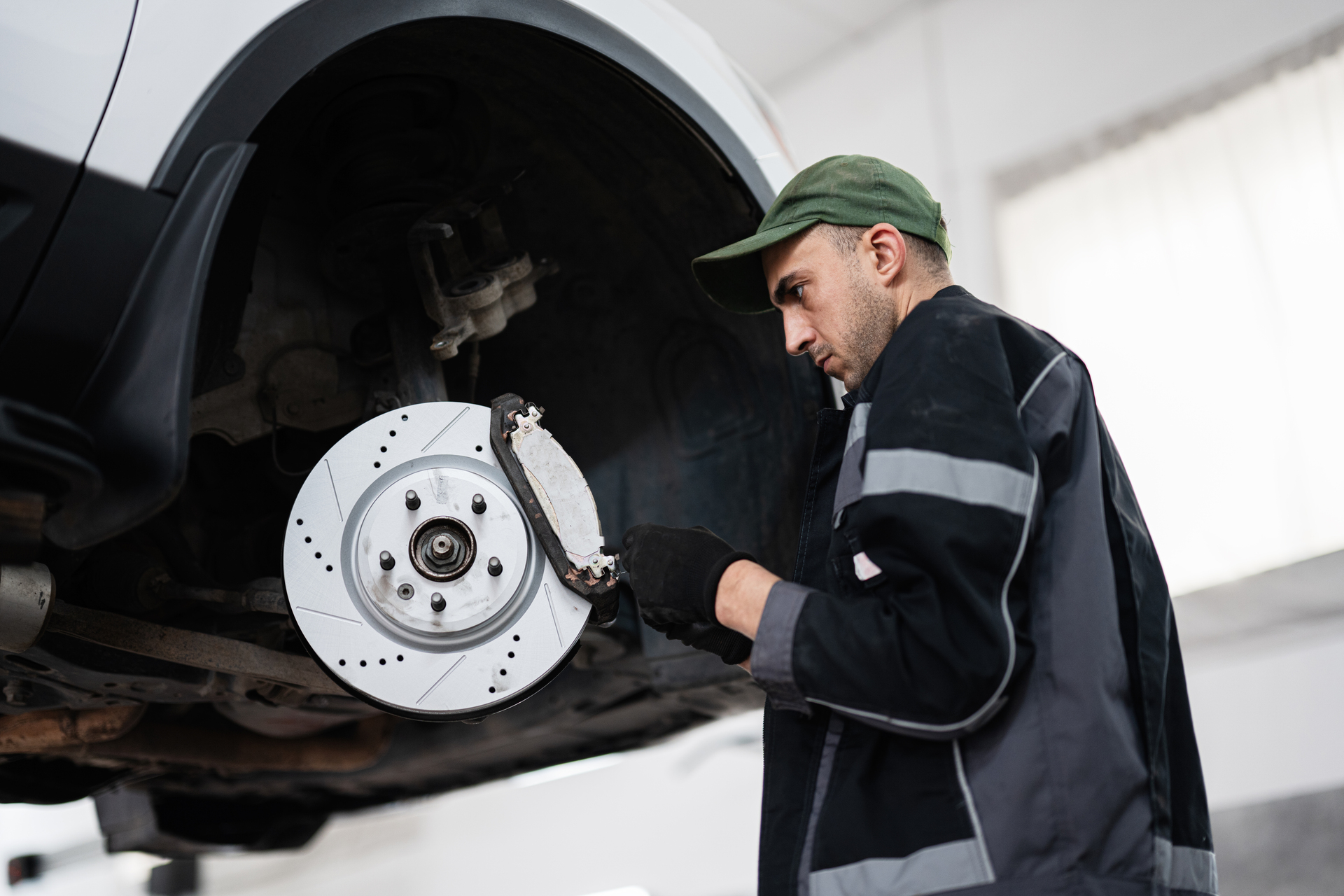
If you've been driving a diesel truck for a while, you already know the maintenance schedule looks different from a gas engine. There's DEF fluid to monitor, fuel filters that need changing more often, and those mysterious warning lights related to emissions systems. It can feel overwhelming, especially if you're used to the simpler maintenance routine of gasoline engines.
The extra attention required isn't just manufacturers making things difficult. Modern diesel engines pack more power and efficiency than ever before, but that performance comes with additional systems that need regular care. Diesel truck repair and maintenance involves components like turbochargers, high-pressure fuel injectors, and emission control systems that simply don't exist on gas engines.
Here's something most diesel salespeople won't emphasize upfront. While diesel trucks typically cost more to maintain than their gas counterparts, the numbers tell an interesting story. Recent industry data shows diesel maintenance averaging around $6,800 annually for trucks driven 15,000 miles, compared to about $4,200 for gas engines. That's a significant difference, roughly $2,600 more per year.
However, diesel engines often outlast gas engines by 75,000 miles or more when properly maintained. Many diesel owners report their trucks running strong past 250,000 miles, sometimes reaching 300,000 or beyond. The key phrase there is "when properly maintained," which means actually following the service schedule instead of hoping problems won't develop.
The most common diesel problems aren't random mechanical failures. They're usually the result of deferred maintenance or contaminated fuel. Fuel injectors can fail if filters aren't changed regularly, costing thousands to replace. EGR valves and DPF filters get clogged when trucks only make short trips without reaching the proper operating temperature. Turbochargers wear out prematurely if oil changes are delayed.
Most diesel owners don't realize that their truck's computer monitors dozens of parameters constantly. When something starts going wrong, you'll often get a warning light long before the problem becomes catastrophic. Ignoring those lights is expensive. Addressing them early is usually straightforward and affordable.
Nobody loves spending money on maintenance, but diesel ownership requires a different mindset than gas trucks. Your diesel's fuel system alone needs regular attention, from replacing fuel filters to occasionally draining water separators. The cooling system requires specific coolant types and regular checks. Oil changes cost more because diesel engines hold more oil and need premium synthetic formulations.
The good news is that sticking to the schedule prevents most major problems. Diesel engines are remarkably durable when they receive proper care. The trucks that make it past 300,000 miles aren't lucky. They're the ones whose owners treated maintenance as an investment rather than an expense.


