Living with diabetes doesn’t mean giving up sweets forever—but most people are making critical mistakes with timing and food combinations. One simple reordering trick can dramatically reduce blood sugar spikes while still satisfying those stubborn cravings.
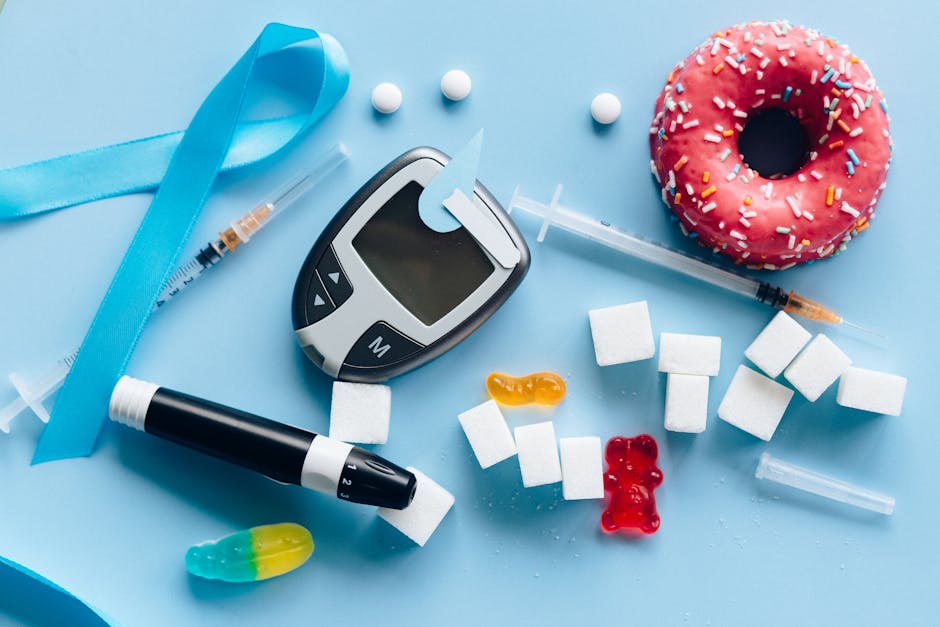
Living with diabetes doesn't mean bidding farewell to sweet treats forever. With the right , individuals managing blood sugar levels can still enjoy satisfying their sweet tooth while maintaining optimal health. In fact, according to the CDC, over 37 million Americans have diabetes, and an additional 96 million are estimated to have prediabetes—highlighting the importance of accessible, sustainable dietary strategies. The key lies in understanding how different sweeteners affect glucose levels and implementing smart dietary approaches that work with the body's natural processes.
The common misconception that diabetes requires complete sugar elimination creates unnecessary stress and often leads to dietary failure. When the body converts carbohydrates into glucose, insulin helps transport this sugar from the bloodstream into cells for energy production. For individuals with diabetes, this process becomes impaired, causing glucose levels to rise in the blood.
However, complete avoidance isn't the solution. Strategic sweet consumption, combined with proper meal planning and nutrient balance, allows diabetics to maintain stable blood sugar while enjoying treats. The focus shifts from elimination to education about timing, portions, and food combinations that minimize glucose spikes.
Proper meal planning involves striking a balance of nutrients, including fiber and protein, to keep blood sugar levels in check. Expert guidance on diabetic nutrition strategies can help individuals develop personalized approaches that satisfy cravings without compromising health goals.
Modern sugar alternatives offer diabetics genuine options for sweetening foods and beverages without the glucose consequences of traditional sugar. These substitutes vary significantly in their properties, sweetness levels, and potential side effects, making it essential to understand each option's characteristics.
Derived from the Stevia rebaudiana plant, this natural sweetener contains no calories and doesn't raise blood sugar levels, making it ideal for diabetic diets. While some people detect a slightly bitter aftertaste, stevia works particularly well in beverages and baked goods. The plant-based origin appeals to those preferring natural alternatives to artificial sweeteners.
This zero-calorie, carbohydrate-free sweetener comes from dried monk fruit and delivers intense sweetness, ranging from 100 to 300 times sweeter than table sugar. Monk fruit extract doesn't affect blood sugar levels and provides clean sweetness without the bitter notes sometimes found in stevia. Its potency means using very small amounts, making it cost-effective despite higher upfront prices.
Found naturally in some fruits and vegetables, allulose provides about 70% of sugar's sweetness with only 10% of the calories. This low-calorie sugar doesn't increase blood glucose levels and closely mimics regular sugar's taste and texture in recipes. Allulose works exceptionally well in baking applications where other sweeteners might alter texture or flavor profiles.
Derived from fermented cornstarch or wheat, erythritol contains very few calories and has a minimal impact on blood sugar levels. This sugar alcohol provides about 70% of sugar's sweetness and works well in most recipes. However, consuming large quantities can cause digestive upset, so moderation remains important even with this diabetic-friendly option.
Strategic timing and portion awareness transform sweet consumption from a blood sugar hazard into a manageable part of diabetic meal planning. These approaches focus on working with the body's natural glucose processing rhythms rather than against them.
The American Diabetes Association suggests 45-60 grams of carbohydrates per meal as a general guideline, but individual needs may vary. Consult with a healthcare provider for personalized recommendations. When planning to include sweet treats, diabetics should account for these carbs within their total meal allowance rather than adding them on top. This might mean skipping bread with dinner to save carbohydrate allowance for dessert, or choosing smaller portions of multiple carb-containing foods.
Individual carbohydrate needs vary based on factors including body size, activity level, medication regimen, and blood sugar targets. Working with healthcare providers ensures personalized carb targets that accommodate both nutritional needs and lifestyle preferences.
Research demonstrates that consuming protein and vegetables before carbohydrates can significantly lower post-meal glucose levels by slowing gastric emptying and improving insulin sensitivity. This simple strategy works by creating a buffer that moderates sugar absorption when sweet foods follow.
This approach doesn't require eliminating carbohydrates—just reordering consumption. The protein and fiber from vegetables help create satiety signals that may naturally reduce sweet cravings and portion sizes.
Nature provides numerous sweet options that satisfy cravings while supporting blood sugar control. These whole foods offer sweetness alongside beneficial nutrients that processed sweets typically lack.
High-fiber fruits like pears, apples, oranges, blueberries, and raspberries can improve blood sugar control for people with diabetes. The fiber content slows sugar absorption, preventing rapid glucose spikes while providing natural sweetness. A small apple or orange, 3/4 cup of blueberries, or 1 cup of raspberries each contains approximately 15 grams of carbohydrates, making them suitable for portion-controlled consumption.
These fruits provide vitamins, minerals, and antioxidants alongside their natural sugars. The fiber content creates satiety that helps prevent overconsumption while supporting digestive health and blood sugar stability.
Greek yogurt delivers approximately 20 grams of protein per serving, helping control appetite and decrease food cravings in diabetics. Choosing plain varieties avoids added sugars while providing probiotics and calcium. Pairing Greek yogurt with berries creates a naturally sweet treat that balances protein, fiber, and controlled carbohydrates.
Dark chocolate with high cocoa content (70% or higher) offers sweetness with beneficial flavonoids that may help improve insulin response and maintain blood sugar levels. Choose quality chocolate with minimal added sugars and consume small portions mindfully.
Chia seeds contain omega-3 fatty acids, soluble dietary fiber, and beneficial plant compounds that support blood sugar control. The soluble fiber absorbs water and expands in the digestive tract, creating a gel-like substance that promotes satiety and helps curb sugar cravings. Adding chia seeds to yogurt, smoothies, or puddings boosts fiber content while providing mild nutty sweetness.
Other fiber-rich additions include ground flaxseed, psyllium husk, and crushed nuts, all of which can improve the nutritional profile of sweet treats while supporting blood sugar stability.
Beyond dietary modifications, certain lifestyle adjustments can significantly reduce the intensity and frequency of sugar cravings, making diabetic management more sustainable long-term.
Dehydration often masquerades as hunger or specific food cravings, including desires for sweet foods. Drinking adequate water throughout the day helps distinguish between true hunger and thirst-driven cravings. Proper hydration supports optimal metabolic function and may indirectly influence hunger cues, potentially reducing the likelihood of mistaking dehydration for sugar cravings.
Aiming for 8-10 glasses of water daily, with adjustments for activity level and climate, provides a foundation for better appetite regulation and craving management.
Regular physical activity, such as brisk walking, helps manage cravings for sugary sweets while improving overall blood sugar control. Exercise increases insulin sensitivity, allowing cells to use glucose more effectively and reducing blood sugar spikes. Physical activity also releases endorphins that can satisfy reward-seeking behaviors often triggered by sweet foods. Be aware that blood sugar levels can sometimes increase temporarily after exercise, so monitoring is important.
Even moderate exercise like a 20-30 minute walk after meals can significantly impact blood sugar levels and reduce subsequent sweet cravings.
Gradually reducing sugar intake allows taste buds to adapt and become more sensitive to natural sweetness. Starting small—reducing sugar in coffee from three packets to two, then to one—creates sustainable changes without feeling deprived. This retraining process means previously enjoyed sweet levels may eventually taste overly sweet, naturally reducing cravings for highly sweetened foods.
Mindful eating practices, including eating without distractions and focusing on flavors and textures, improve satisfaction from smaller portions and help identify true satiety signals.
Sustainable diabetic management requires balancing immediate satisfaction with long-term health goals. The strategies outlined—smart sweetener choices, strategic timing, natural sweet foods, and lifestyle modifications—work synergistically to create a balanced approach to craving management.
Success comes from consistent application rather than perfection. Maintaining adherence most of the time allows for occasional indulgences without derailing overall blood sugar control. This flexibility prevents the all-or-nothing mentality that often leads to dietary abandonment.
Working with healthcare providers and registered dietitians ensures personalized approaches that account for individual needs, preferences, and health conditions. Regular monitoring and adjustment of strategies maintain effectiveness as circumstances and preferences change.
The goal isn't to eliminate sweetness from life but to enjoy it intelligently while for years to come.


