Professional keyboardists know the struggle: finding an 88-key stage piano that feels like a grand without breaking your back. The Dexibell Vivo S8 promises to end that struggle at just 39.4 pounds—but does the lighter build come at the cost of sound quality?
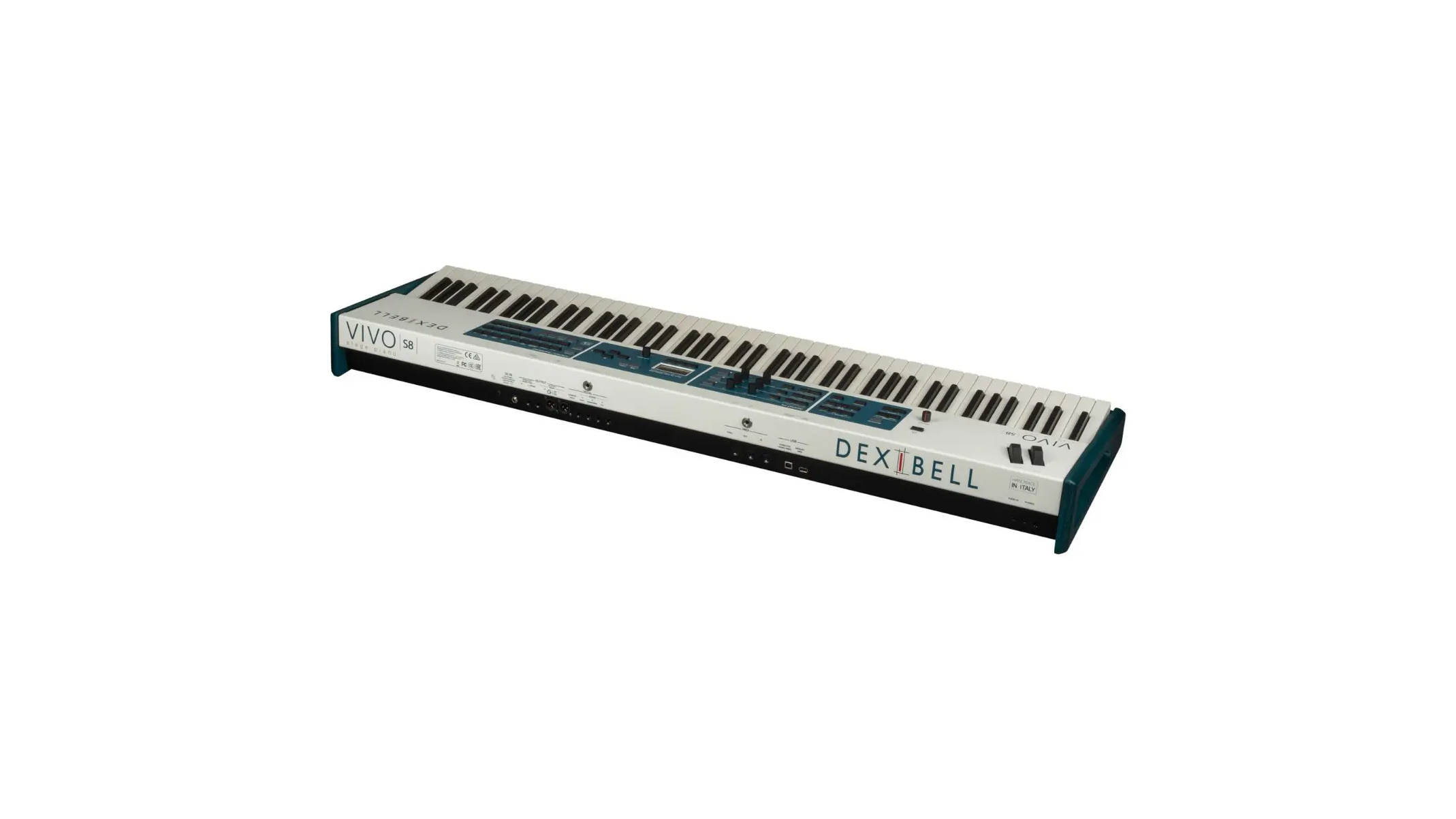
For the gigging musician, the eternal struggle is real: finding a stage piano that feels like an acoustic without needing a roadie to haul it. Over the past decade, digital pianos have evolved fast—manufacturers are chasing that elusive mix of realism, response, and portability that can keep up with modern touring life.
Enter the Dexibell Vivo S8, an 88-key digital stage piano that hits that balance with surprising precision. Built in Italy, it marries craftsmanship with serious tech muscle, designed for players who crave the touch and tone of a real piano without the bulk.
What makes the S8 stand out isn't a laundry list of features—it's restraint. Instead of overloading the interface, Dexibell doubled down on what pros actually care about: the playing experience. The result is a keyboard that feels alive under the fingers yet remains sleek and reliable enough for constant gigging.
As music equipment specialists at Sam Ash note, the Vivo S8 is part of a new generation of stage pianos using smart engineering to simplify performance, not complicate it.
At just 39.4 pounds, it's noticeably lighter than most professional models in its class, but there's no compromise on sound or build quality. For touring musicians juggling rehearsals, flights, and cramped stage setups, that portability is pure gold.
At the core of the Vivo S8's sound is Dexibell's T2L (True to Life) technology, a system that blends high-definition sampling with physical modeling to create tones that breathe like real instruments. Instead of looping short clips, Dexibell captures extended audio—up to 15 seconds per note on the lower piano range—preserving every nuance of decay and resonance.
That extra sample length isn't marketing fluff. On sustained chords or ringing low notes, you can feel the natural tail—the kind of detail that gives real pianos their emotional punch. The T2L engine processes those samples through intricate algorithms that hold their clarity even in dense, multi-note passages, making the difference obvious the moment you sit down to play.
Processing power can make or break a digital piano, and the Vivo S8 doesn't flinch. Its quad-core CPU drives 320 oscillators, giving it what Dexibell calls virtually unlimited polyphony. Translation: no dropped notes, no choked sustain, no "voice stealing" mid-performance.
For players tackling complex classical runs, dense jazz voicings, or layered soundscapes, that muscle means you can focus entirely on expression, not system limits. As the instrument specialists at Sam Ash explain, this kind of processing depth is what separates pro-grade stage pianos from consumer models—everything responds instantly, transitions seamlessly, and holds steady even under heavy live use.
Inside, the S8 processes audio at 32-bit floating point resolution, maintaining pristine clarity through every stage of its digital signal chain. That fidelity shines in pro audio rigs or studio recordings where subtle dynamics matter.
The system packs 3.2 GB of flexible memory, dynamically distributed across sound categories so you can prioritize what you actually use—whether that's piano, organ, or orchestral tones. Players can also expand the sound library with Dexibell's DXS files, standard SoundFont packs, or even WAV, AIFF, and MP3 formats. In other words, it's a canvas, not a cage.
Ask any pianist what makes or breaks a digital stage piano, and they'll point straight to the keys. The Dexibell Vivo S8 uses the legendary Fatar TP-40LR, an Italian-made hammer action refined over two decades and celebrated for its natural weight and responsiveness. Each of the 88 keys is graded—heavier in the bass, lighter in the treble—to mirror the mechanics of an acoustic grand.
Beneath the surface, triple-contact sensors capture every nuance that older dual-sensor systems miss. They read when a key is pressed, how fast it moves, and exactly when it's released, translating micro-shifts in touch into expressive tone changes. For players who rely on fast repetitions, delicate crescendos, or intricate pedaling, that precision turns technique into actual voice.
Actions like the TP-40LR are the benchmark for professionals who need both endurance and nuance on tour. The Vivo S8 builds on that reputation with subtle refinements that make long sets feel effortless.
The key surface itself matters more than most realize, especially under stage lights and sweaty palms. Dexibell coats each key with a fine texture that mimics traditional ivory and ebony, offering grip without stickiness. The finish keeps your fingers secure through heavy runs while preserving that tactile glide pianists depend on for expressive phrasing.
It's not just a cosmetic nod to vintage pianos; it's a comfort and control choice. During long rehearsals or energetic performances, that subtle texture keeps the connection between player and instrument intuitive—exactly what you need when chasing dynamics, not fighting your keys.
The Dexibell Vivo S8 ships with 180 onboard sounds spanning pianos, electric keys, plucked and percussive instruments, strings, brass, synths, guitars, basses—you name it. Instead of padding the lineup with filler tones, the brand keeps the roster tight, focusing on quality over quantity. Every patch feels intentional and stage-ready.
The piano section pulls from Dexibell's Platinum library, where each sample captures the full personality of real instruments from concert grands with rich overtones to upright pianos that hum with mechanical charm. Even the pedal noises and sympathetic vibrations are baked in, giving performances that subtle acoustic imperfection players crave.
Electric piano fans get equal love: the Rhodes, Wurlitzer, and DX-style voices bite, bark, and shimmer with touch-sensitive realism. Layer them with built-in effects and they respond like the vintage circuits they emulate.
Beyond its piano DNA, the Vivo S8 carries a dedicated organ engine loaded with over 100 presets and nine virtual drawbars accessible from its LCD interface. The tone-wheel modeling, rotary speaker emulation, and classic modulation effects land squarely in Hammond territory without the back-breaking weight.
Because the organ section runs on its own sound engine, it delivers the kind of nuanced response players expect from a separate rig—perfect for keyboardists who jump between gospel, jazz, and rock sets on the same night.
Plugging in should never feel like a compromise, and the Dexibell Vivo S8 gets that right. It sports balanced XLR outputs for a clean, noise-free signal—no DI boxes needed—plus standard ¼-inch jacks for smaller rigs or rehearsal setups. Whether you're running direct to front-of-house or tracking in a studio, the signal stays crystal clear.
That level of connectivity shows Dexibell's understanding of real-world performance needs. As the keyboard experts at Sam Ash point out, balanced outputs and flexible routing aren't luxury features anymore—they're baseline necessities for pros who want their sound translated faithfully through any system.
The modern stage isn't just cables and patch bays. With Bluetooth audio and MIDI, the Vivo S8 hooks into iOS devices for streaming, recording, or wireless control. Fire up the VIVO Editor app, and you can tweak parameters, design custom sounds, or save performance setups—all from your tablet—without cluttering the panel with extra knobs and menus.
That combination of clean hardware and deep digital control gives the S8 a quiet confidence: minimalist on the surface, serious power underneath.
Expressive control doesn't stop at the keys. Four assignable pedal inputs can handle sustain, soft, and sostenuto duties—or get mapped to volume, modulation, or any other parameter you want to ride mid-song.
For digital integration, the dual USB Host and Device ports open up all the right doors. You can connect to a computer for MIDI or audio recording, manage sound libraries, or back up performances straight to a thumb drive. It's flexible enough to sit comfortably in both a studio rig and a touring setup.
At just 39.4 pounds, the Vivo S8 earns serious respect from players who live out of flight cases. It's light enough for one-person load-ins yet sturdy enough to survive the grind of constant travel.
That blend of portability and durability comes down to Dexibell's Italian build quality: the chassis feels road-ready, the components don't rattle, and the keys stay consistent night after night. For performers constantly moving between venues, it's the rare 88-key board that doesn't make you dread the load-out.
The Dexibell Vivo S8 is built for working players—the musicians who live onstage, haul their own gear, and still expect the touch of a grand. Its blend of T2L sound tech, Fatar hammer action, and lightweight design makes it a godsend for performers who need authenticity they can actually carry.
In the studio, it earns its keep just as easily. Composers and session players chasing piano and organ realism will find the S8's tone depth and expandable sound library ready for serious recording. With 32-bit processing and professional-grade connectivity, it slips into any production chain without fuss or signal loss.
If you're the kind of player who values sound quality over sheer quantity, the S8's curated library will hit that sweet spot. Dexibell focuses on fewer voices done exceptionally well, while still giving you room to grow—importing DXS, SoundFont, or WAV/AIFF/MP3 files when inspiration shifts.
And when it comes to matching gear with playing style, the instrument specialists at Sam Ash can help you understand options like the Vivo S8 and find the stage piano that fits your sound, workflow, and budget.
Lightweight, expressive, and unapologetically focused on feel—the Dexibell Vivo S8 isn't trying to do everything. It's built to do the important things flawlessly.


