Discover six essential steps for designing a home gym, from goal setting and space checks to delivery planning, ongoing upkeep, and smart budget control.
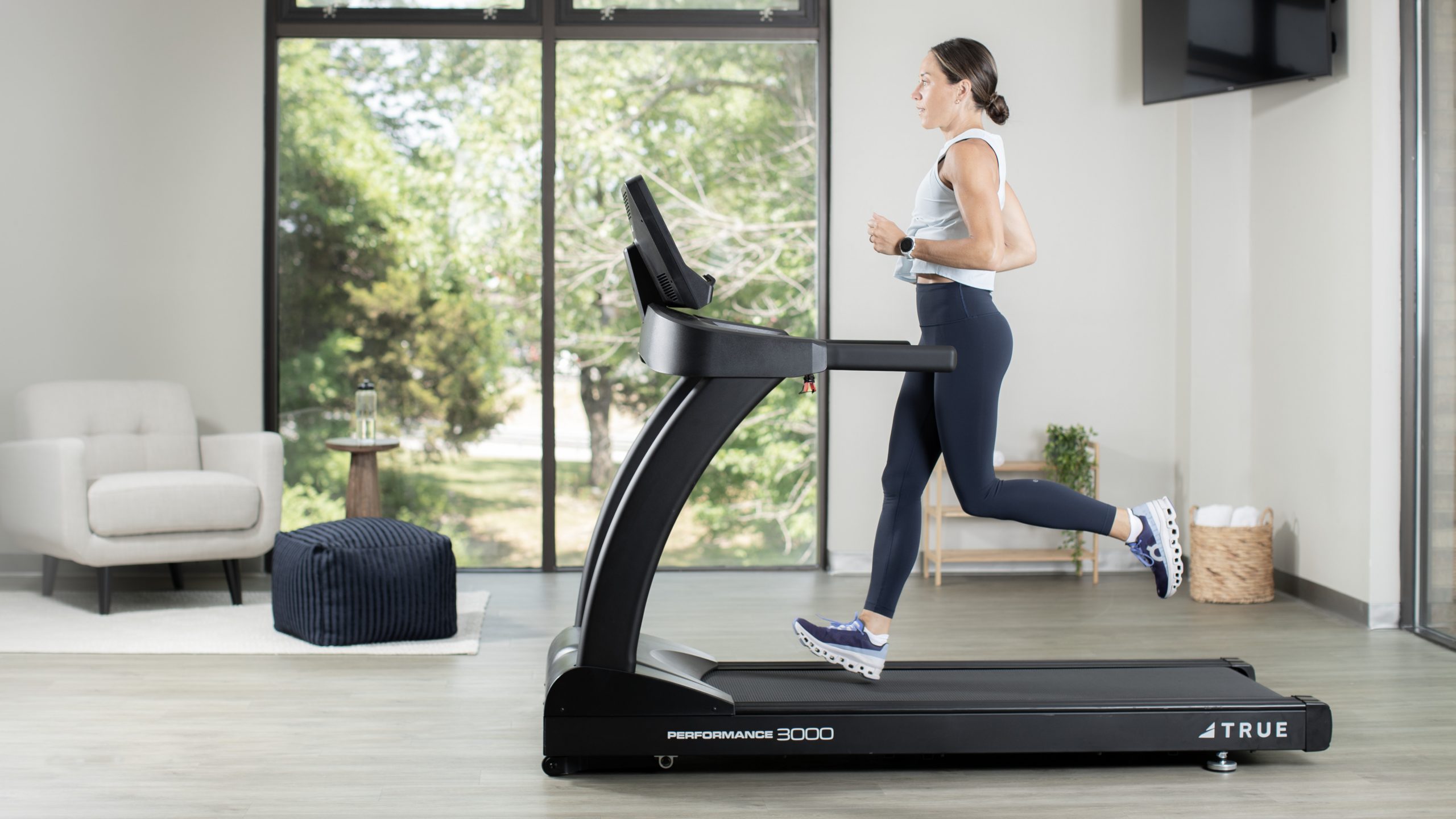
Designing a home gym to meet your fitness goals in the comfort of your own space? Check out these top tips to simplify the process and save yourself some time, as well as money.
Creating a home gym that actually gets used starts with a candid review of personal fitness goals, floor space, and household routines, because random purchases often end up collecting dust or crowding living areas. Sketching those basics on paper helps clarify the mix of cardio, strength, and flexibility stations required, saving money and frustration long before the first delivery truck backs into the driveway.
Experts at experienced fitness equipment consultants RX Fitness Equipment advise bringing room dimensions and goals to show professionals, so staff can match up stride length, resistance range, and power requirements first time. They add that seasoned suppliers track factory promotions and model changeovers, often steering clients toward floor samples or bundle discounts that cut total project costs without sacrificing build quality.
A 2025 report from the Sports & Fitness Industry Association revealed that 47% of US adults performed at least half their workouts at home last year, up from 29% in 2019, marking the fastest adoption jump on record. “When athletes can train the moment motivation strikes, adherence rates soar,” one specialist notes, adding that privacy and commute savings now rival upfront price as top purchase drivers.
Before swiping a credit card, measure your ceiling height at fan blades, confirm slab strength under heavy racks, and check your home's doorway clearances, because returning oversized equipment is costly and demoralizing. The team at RX Fitness Equipment cautions that basements with low ceilings rarely suit full-stride ellipticals, while upstairs bedrooms may require floor reinforcement before accepting 600-pound integrated trainers.
Logistics often get overlooked until stairs, tight hallways, or HOA delivery windows block progress, so schedule professional movers capable of disassembling railings and securing liability coverage. Annual service plans, lubrication kits, and timely belt replacements cost roughly 3% of purchase price, yet they prevent breakdowns that stall training momentum and inflate long-term budgets.
Building a productive home gym takes measured steps, and the Thousand Oaks cardio equipment specialists at RX Fitness Equipment say proper planning always beats costly corrections later. Apply these tips, measure twice, and seek impartial guidance before spending, because the ultimate fitness machine is the one you will use happily, safely, and consistently for many seasons to come.


